
CGT calls for strikes and protests in France on November 3 — RMF24
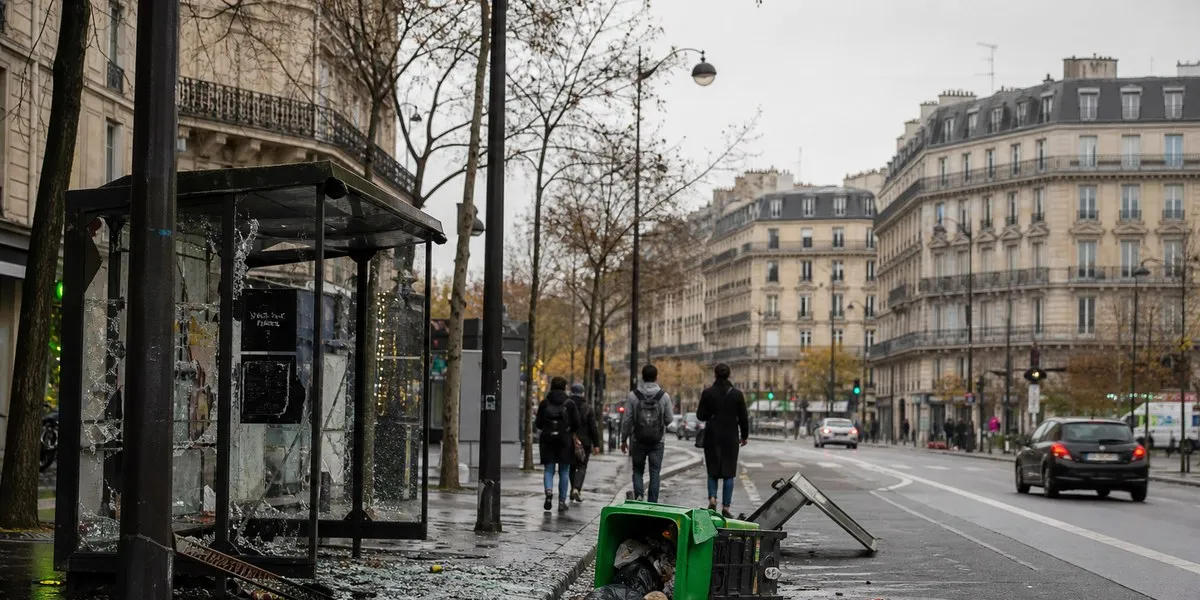
In France, the CGT trade union has called for peaceful protests and strikes on November 3. This comes after several weeks of demonstrations, which culminated on October 17: hundreds of thousands of people took to the streets, while in some places peaceful actions turned into riots, RMF24 reports.
According to the outlet, the riots involved arson, shop looting and attacks on local government buildings. French President Emmanuel Macron called on political leaders to reduce tensions. The authorities will seek to stabilize the situation, according to political scientist and former Polish ambassador to France Tomasz Młynarski.
Discontent over the cost of living
Młynarski linked the protests to the long-term accumulation of public discontent. Among the factors, he named high prices, high living costs and declining purchasing power. At the same time, in his opinion, France is experiencing a deeper identity crisis and needs a new socio-economic order.
The political scientist noted that the necessary reforms would mean spending cuts, but French society does not want such steps. He also mentioned rising public debt and significant spending on maintaining the state.
More current news is available on the UA.News Telegram channel Telegram.
Impact on the election campaign
France is due to hold presidential elections in April next year. According to Młynarski, the current crisis is politically beneficial to the opposition. In his assessment, left-wing leader Jean-Luc Mélenchon condemns the looting while supporting the protesters' social demands.
The riots are also shifting public discussion from policy issues to security, which may benefit right-wing forces, including Marine Le Pen's political force, the expert believes. He added that the crisis could weaken the already low support for the presidential camp. At the same time, in his opinion, no political force is interested in inciting violence.
Commenting on claims of a link between the riots and migration, Młynarski stated that migrants are among the participants, but they are not the main source of violence. He described those who destroy property as hooligans and also drew attention to problems faced by young people from the suburbs, including unemployment and expectations of substantial social assistance from the state.




