
More than 253,000 tonnes of grain from Russia transported through Latvia in 24 days — LSM English
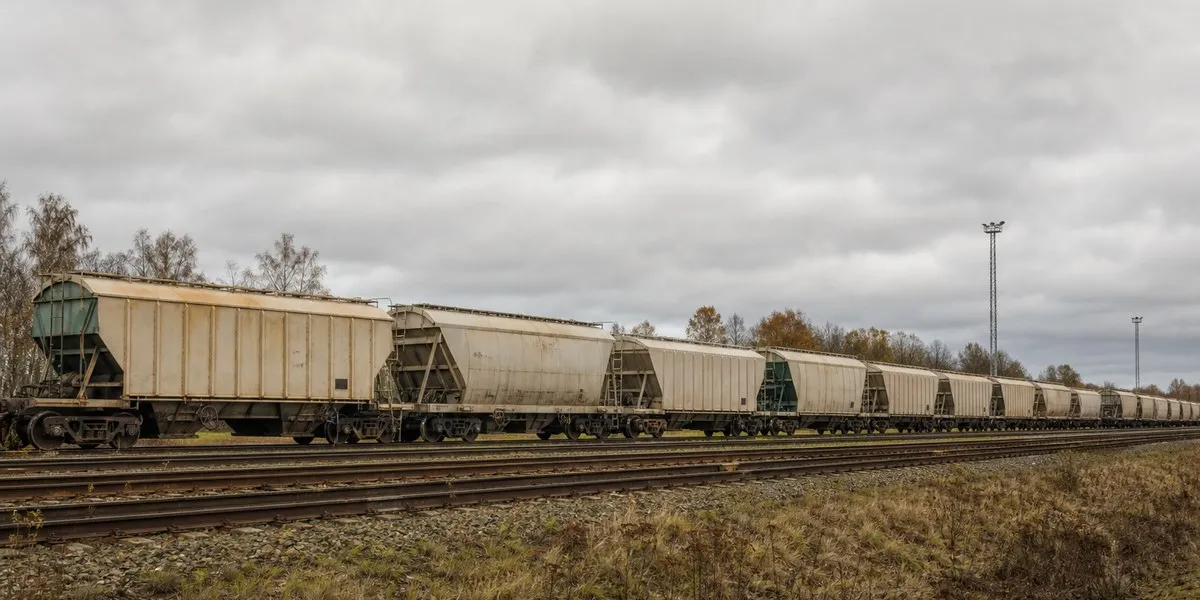
From September 1 to 24, more than 253,000 tonnes of grain from Russia — the aggressor state — were transported in transit through Latvia, along with more than 40,000 tonnes of grain from Belarus. This was reported by LSM English, citing Latvian Television.
New tariffs are not yet in effect
According to the outlet, the transit of grain from Russia and Belarus through Latvia increased sharply in September. In the middle of the month, Latvia’s Saeima adopted amendments to the Railway Law that provide for a 300% increase in the infrastructure fee for the transit of Russian grain.
At the same time, the new tariffs have not yet entered into force. LSM English notes that this may have prompted carriers to send as much cargo as possible while transit remains relatively cheap. A proposal for a complete ban on transit from aggressor states has not yet been implemented.
Checking the origin of grain
Latvia’s Customs Administration said that it is checking supply chains. Based on risk analysis, the Food and Veterinary Service takes grain samples to determine whether any of the cargoes contain grain stolen from Ukraine.
More current news is available on the UA.News Telegram channel Telegram.
Six samples have already been submitted for laboratory analysis. The test results may be ready in about a month.
Deputy Director of the Customs Administration Inta Kovalovska stated that grain transit is not prohibited. According to her, the import and customs clearance of such goods are also permitted if they are intended for final consumption in another European Union member state.
Position of Latvian officials
Prime Minister Andris Kulbergs stated that Latvia, as an EU member state, cannot simply ban transit, but it can introduce an infrastructure fee. Foreign Minister Baiba Braže said that the coalition had not reached an agreement on a complete ban, while the 300% fee increase was intended to deter carriers.
Director of the Center for Geopolitical Studies Māris Andžāns called the situation a moral issue. In his opinion, the increase in transit volumes may be linked to Russia’s reduced ability to export through Black Sea infrastructure as a result of Ukrainian attacks.




