
CSIRO develops plan to revive spinning mills in Australia
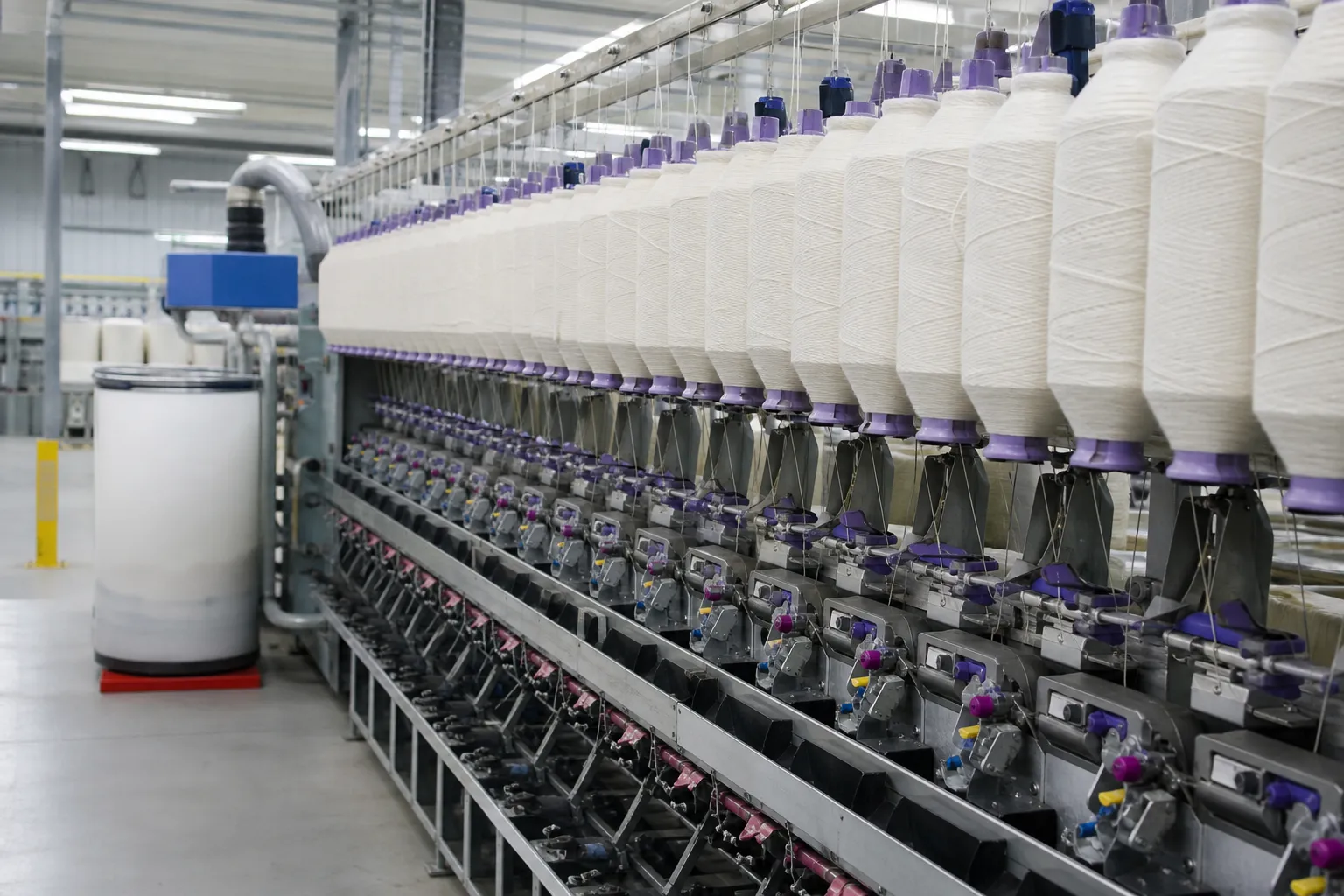
Australia’s national science agency, CSIRO, has developed a plan to revive spinning mills — a link in textile production that disappeared from the country in the 1980s. The study is intended to provide manufacturers with a template for assessing a business model and launching domestic yarn production from cotton, wool or synthetic fibres, ABC News Australia reports.
A spinning mill converts raw materials into yarn and thread, which are then used to make fabrics. Although some segments of Australia’s textile and clothing industry remain, the spinning stage in the production chain from farm to finished clothing is currently absent. Raw materials, including Australian cotton, are sent overseas, including to China, for processing into yarn and thread.
A template for manufacturers
The CSIRO study was funded by the cotton industry and the federal government through the Cotton Research and Development Corporation. Its author, Senior Principal Research Scientist Stuart Gordon, said the model can be scaled to the needs of a specific company and used to prepare a more detailed business case.
More current news is available on the UA.News Telegram channel Telegram.
The report examined electricity costs, shortages of skilled workers and possible locations for facilities. Potential locations include Toowoomba and Brisbane in Queensland, Narrabri, Dubbo and Sydney in New South Wales, as well as Melbourne in Victoria. According to Gordon, companies must weigh the benefits of proximity to cotton-growing areas and wool production against the costs of transporting yarn to textile enterprises and ports.
The industry calls for guaranteed demand
The Australian Fashion Council supported the study, but its chief executive, Sam Delgos, said manufacturers need confidence in stable demand before making investments. According to her, one possible mechanism could be the procurement of Australian products by the largest buyers of clothing and textiles, including for government uniforms and clothing for the defence sector.
Cotton Australia chief executive Adam Kay said modern spinning mills are largely automated, and the key factor in bringing spinning back to Australia is the cost of electricity. In the short-staple spinning system, which is mainly used for cotton, synthetic and recycled fibres, hemp and certain types of wool can also be used. Michell Wool said it is currently forced to send the shorter portion of the wool fleece overseas for spinning.




