
Researcher Faisal Bari calls for countering patriarchy through education — Dawn
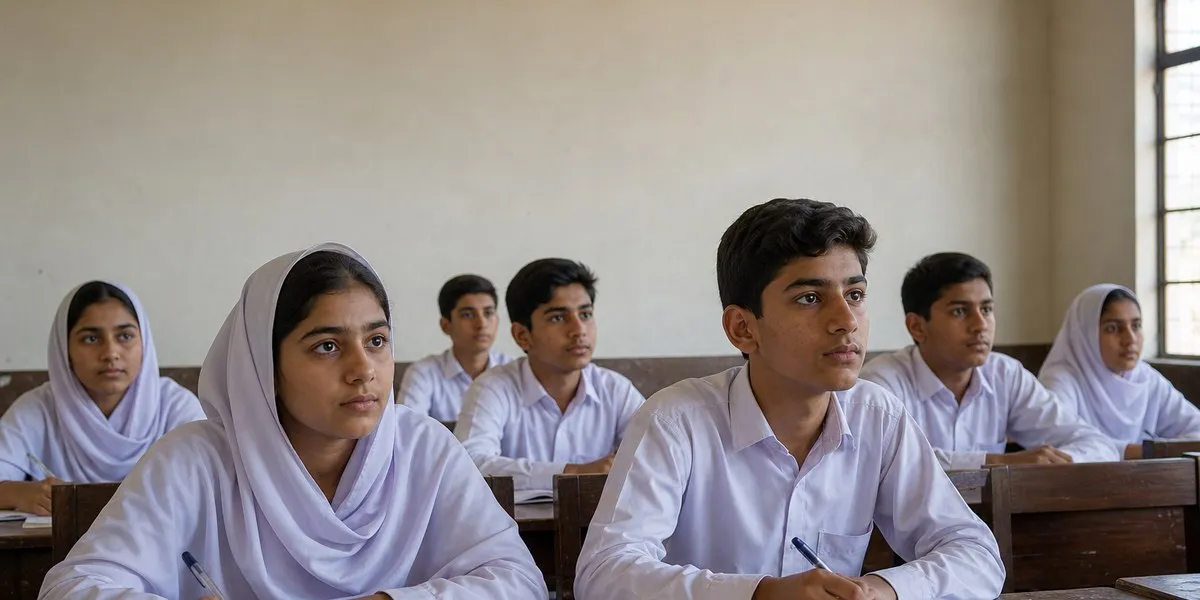
In Pakistan, Faisal Bari, a senior research fellow at the Institute of Development Alternatives and an associate professor of economics at Lums, called for education to become a tool for countering patriarchy and violence against women. In a column for Dawn, he stressed that laws alone are insufficient to overcome a problem that, in his view, is embedded in social norms, rules and expectations.
The problem of violence
Bari noted that in recent months, the country has reported so-called honour killings, killings over marriage by choice, rape, domestic violence, spousal violence, as well as the abduction, rape and murder of minors. He also mentioned cases of violence against workers and staff.
According to the author, there is no complete data on violence against women in Pakistan: many incidents do not enter the statistics, and no national registries or datasets have been created. The information that becomes available mostly comes from media reports, police case registrations and calls to hotlines.
Bari links the problem, in particular, to the influence of patriarchy, which shapes not only laws and social norms but also responses to cases of violence. He drew attention to common questions asked of victims, including about their clothing, the time they spent outside the home or driving a car.
More current news is available on the UA.News Telegram channel Telegram.
Education is broader than exams
The author believes that school should develop not only academic knowledge and skills but also the values of civic life. As an example, he cited his daughter's experience at a London state school: on the first day, the teacher spoke with pupils about the autism spectrum, inclusion, acceptable behaviour and unacceptable actions before discussing the English or mathematics curriculum.
Comparing this with his own education in Lahore, Bari wrote that Pakistani schools, including the best private ones, are mostly focused on mastering subjects and final exam results. He warned that state schools' focus on basic language and mathematics skills could narrow educational goals even further. According to the data he cited, 77% of schoolchildren have insufficient learning achievement levels.
In Bari's view, countering violence against women and patriarchal attitudes should become a purposeful part of education aimed at raising citizens and people capable of changing society.




