
A drone attacked the Tyumen Oil Refinery, causing a fire
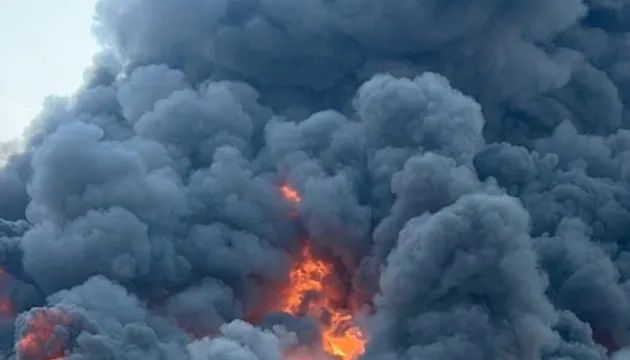
A drone attack occurred at a local oil refinery in the Russian city of Tyumen. A fire broke out on the refinery grounds after the drone crashed, local authorities reported. Eyewitnesses reported explosions, the activation of air defense systems, and smoke rising above the plant’s grounds. There is currently no information on casualties or the extent of the damage.
According to reports from Russian media and the ASTRA Telegram channel, the incident occurred on July 25 at the Tyumen Oil Refinery. Tyumen Region Governor Alexander Moor stated that a drone allegedly crashed on the plant’s grounds, after which a fire broke out. “As a result of the attack, an enemy drone crashed on the grounds of the Tyumen Oil Refinery. A fire broke out. Emergency response specialists are working at the scene,” Moor said.
According to him, rescue services are currently working at the scene. There is no information yet on whether the facility sustained serious damage or on the possible consequences for the plant’s operations.
Residents reported explosions and smoke
Residents of Tyumen reported at least two explosions in the vicinity of the city. They also reported the activation of air defense systems and the appearance of smoke over the oil refinery grounds.
However, some of the smoke may have been caused not only by the fire but also by the refinery’s flare stack. This is a specialized facility used at industrial sites to safely burn off excess gases. At this time, the exact cause of the fire and the extent of the damage remain unknown.
What Is Known About the Tyumen Oil Refinery
The Tyumen Oil Refinery is considered one of the largest independent oil refineries in Russia. The facility is located in the industrial zone of the city of Tyumen, near the Antipino neighborhood. The refinery is one of the key oil refining facilities in the Ural Federal District.
The facility has a capacity of approximately 8 million metric tons of crude oil per year. The refining depth reaches approximately 98%. The refinery produces Euro-5 standard diesel fuel, stable gasoline, petroleum coke, bitumen, and fuel oil. Due to its significant production volumes, the facility plays a vital role in Russia’s fuel industry.
History of the Refinery and Changes in Ownership
The facility was previously known as Antipinsky Oil Refinery JSC. In May 2021, the refinery changed ownership following bankruptcy proceedings. It was acquired at auction by Ri-Invest, a company linked to businessman Anatoly Yablonsky.
Following this, the company was renamed the Tyumen Oil Refinery. In recent years, the refinery has been the target of attacks on multiple occasions.
Oil refineries in Russia are regularly targeted
According to Russian sources, the Tyumen Oil Refinery has been attacked before. In particular, there were reports of a strike on the facility on June 20, 2026, as well as an attack in October 2025.
Recently, oil refineries in Russia have regularly been targeted by drones. The attacks have led to fires, temporary production shutdowns, and inspections of individual facilities. The Ukrainian side has repeatedly stated that such strikes are aimed at facilities that supply fuel to the Russian military.
What is known so far
A fire broke out at the Tyumen Oil Refinery following a drone attack. Emergency services continue to work at the scene. Russian authorities have not reported any casualties or injuries, nor have they disclosed details regarding possible damage. The reasons for the attack and its consequences are currently being investigated, according to the ASTRA Telegram channel.
The Unmanned Systems Forces of the Armed Forces of Ukraine announced that they had struck six warehouses belonging to the Russian e-commerce platform Wildberries in Russia and in the temporarily occupied territory of Crimea.
One of Russia’s largest oil ports on the Black Sea has suspended oil loading following drone attacks in the Novorossiysk area. The “Sheshkharis” terminal has not been conducting operations with tankers since July 22, as confirmed by vessel traffic data and satellite imagery.




