
Ex-senator Babar criticizes campaign for new provinces in Pakistan
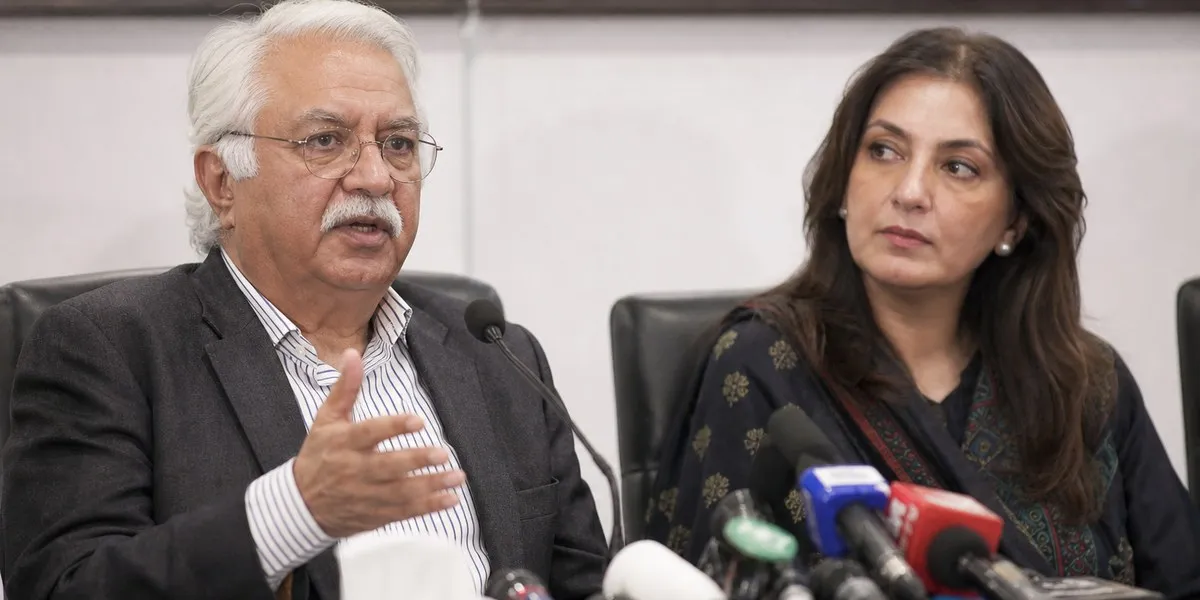
In Islamabad, former senator Farhatullah Babar said that the campaign to create new provinces in Pakistan reflects an approach that, in his view, threatens democracy and provincial autonomy. The president of the Pakistan Peoples Party (PPP) human rights cell stressed that the transfer of powers to the local level is already provided for by constitutional mechanisms.
As Dawn reports, Babar spoke at a press conference alongside Malaika Raza, the general secretary of the PPP human rights cell. According to him, provinces cannot be created by making decisions in Islamabad and merely drawing lines on paper.
Statements on decentralization
Babar said that supporters of a centralized system are now promoting the idea of new provinces as a way to decentralize. He linked this approach to historical opposition to the NFC Award and the 18th Amendment to Pakistan's Constitution.
More current news is available on the UA.News Telegram channel Telegram.
The politician also said that restrictions on freedom of speech and the right to peaceful assembly are increasing. He criticized the imposition of Section 144 in Islamabad, as well as the use of the Prevention of Electronic Crimes Act against journalists, political figures and human rights defenders. Babar noted that the PPP is part of the ruling coalition led by the Pakistan Muslim League — Nawaz, but will continue to raise issues of democracy and human rights.
Human rights and Karachi
Malaika Raza said that Pakistan faces serious human rights challenges, including sexual violence and the killing of children, as well as a growing number of cases of violence and harassment against women. She stressed that protecting human rights is the responsibility of the state, political parties and society.
Raza opposed attempts to create new provinces outside parliament and without following the constitutional procedure. In her view, decentralization requires strengthening local self-government and democratic institutions. Babar separately drew attention to the problems of Karachi, which attracts residents from across the country with jobs and other opportunities, and called for comprehensive and long-term solutions for the city.




