
The EU is preparing sanctions against 27 Russians involved in the deportation of Ukrainian children
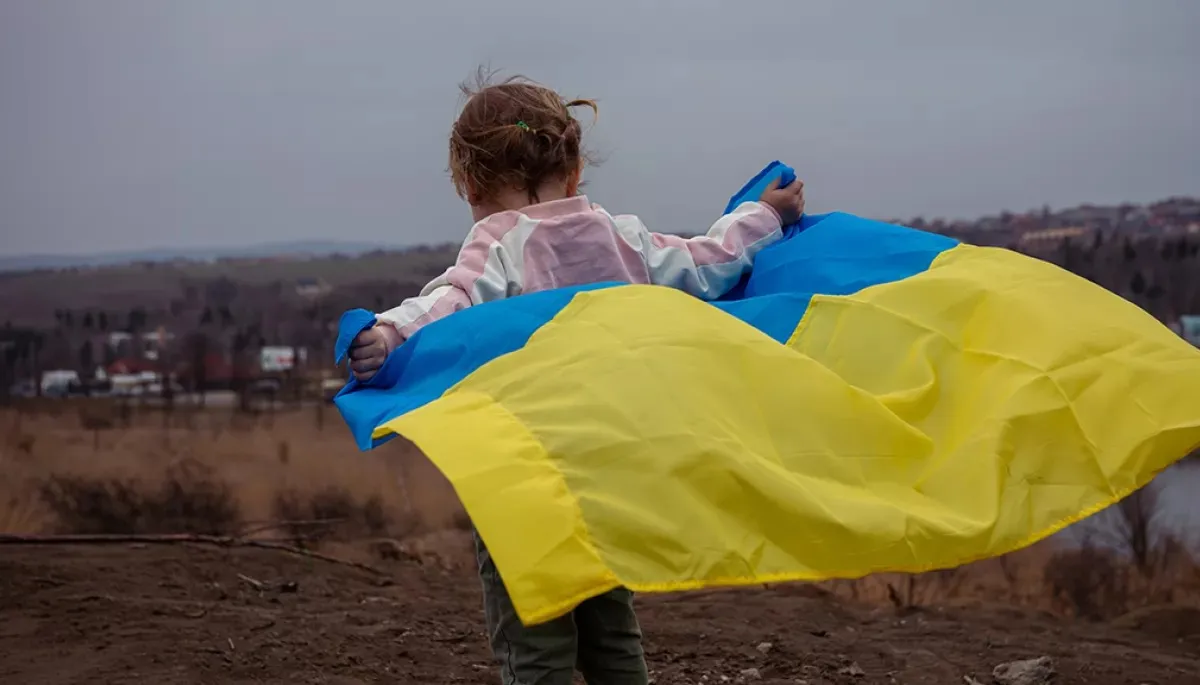
On September 2, EU ambassadors will consider new sanctions against 27 individuals and organizations linked to the forced removal and ideological indoctrination of Ukrainian children in Russia. They aim to finalize the decision ahead of the international conference of the Coalition for the Return of Ukrainian Children, which will take place in Toronto in September.
The European Union is preparing new sanctions against individuals and organizations involved in the illegal transfer of Ukrainian children from temporarily occupied territories to Russia. On September 2, EU ambassadors are set to consider restrictions against 27 individuals and organizations. These include those linked to the forced deportation of Ukrainian children and their ideological indoctrination in Russia.
Preparations for the new decision are taking place ahead of an international conference organized by the Coalition for the Return of Ukrainian Children. The conference is scheduled to take place in September in Toronto, Canada. In this way, the European Union plans to increase pressure on individuals and entities that may be involved in this system. This is not the first time the EU has imposed sanctions specifically for actions targeting Ukrainian children. In May 2026, the Council of the European Union added 16 individuals and seven organizations to the sanctions list, deeming them responsible for the systematic illegal deportation, forced displacement, assimilation, and illegal adoption of Ukrainian children.
The May list specifically included Russian children’s centers and organizations that ran programs for Ukrainian children designed to indoctrinate them with pro-Russian ideology. Among them were the “Orlyatko,” “Red Sails,” and “Zmina” centers, as well as entities in occupied Crimea involved in the military-patriotic education of children. The EU noted that such programs may include patriotic events, ideological indoctrination, and military-oriented activities. According to the European Union, the goal of these actions is to impose a Russian identity on children and weaken their ties to Ukraine.
How Many Ukrainian Children Has Russia Taken Away?
It is difficult to determine the exact number of children whom Russia has illegally taken or forcibly displaced from the occupied territories. The reason is the occupation of parts of Ukrainian territory and the Ukrainian authorities’ lack of full access to information about the children. According to EU estimates, since the start of the full-scale war, Russia has deported or forcibly displaced nearly 20,500 Ukrainian children. The European Union emphasizes that such actions constitute gross violations of international law and fundamental children’s rights.
Previously, Ukrainian authorities also reported more than 19,500 children whose removal had been reliably confirmed. At the same time, it was emphasized that the actual number could be higher. The problem lies not only in the displacement of the children itself. Ukraine and its international partners also point to attempts to alter the children’s identity, impose a Russian education and upbringing, and, in some cases, place the children for illegal adoption.
What the EU Sanctions Entail
EU sanctions against individuals include asset freezes and bans on entry into EU countries and transit through their territory. European citizens and companies are also prohibited from providing funds, financial assets, or economic resources to individuals on the list. For organizations, the main restriction is the freezing of assets. In addition, European companies are prohibited from providing them with funds or other economic resources.
The EU has already added to its sanctions lists individuals responsible for the deportation and forced adoption of Ukrainian children, as well as those involved in their military and ideological training. The EU’s general sanctions regime regarding violations of Ukraine’s territorial integrity already includes nearly 3,000 individuals and organizations.
The EU will also extend sanctions against Russia
In addition to new restrictions due to the deportation of Ukrainian children, on September 2, EU ambassadors are set to consider extending sanctions against Russia—related to violations of Ukraine’s territorial integrity—for another year. The European Union regularly reviews these restrictions and extends them if the grounds for the sanctions remain. Currently, sanctions targeting actions that threaten Ukraine’s territorial integrity, sovereignty, and independence cover thousands of individuals and organizations.
Certain EU restrictions are already targeted at Russian officials, military personnel, propagandists, businesspeople, and organizations that assist the occupying authorities. Entities linked to the military-industrial complex, sanctions evasion, and Russian propaganda are also included on the sanctions lists. Thus, the new package is intended to be another step by the European Union against a system that, according to international and Ukrainian authorities, is being used to remove Ukrainian children, forcibly assimilate them, and impose a Russian identity on them.
The issue of returning children remains one of the key priorities of Ukraine’s international efforts. That is why the new sanctions are scheduled to be considered ahead of a meeting of the international coalition for the return of Ukrainian children in Toronto. Suspilne learned this from its own sources.
The U.S. House of Representatives did not include on its agenda a bill by the late Senator Lindsey Graham to increase sanctions pressure on Russia.


