
Estonian schoolchildren study the 1936 Olympics through a historical role-playing game — ERR News
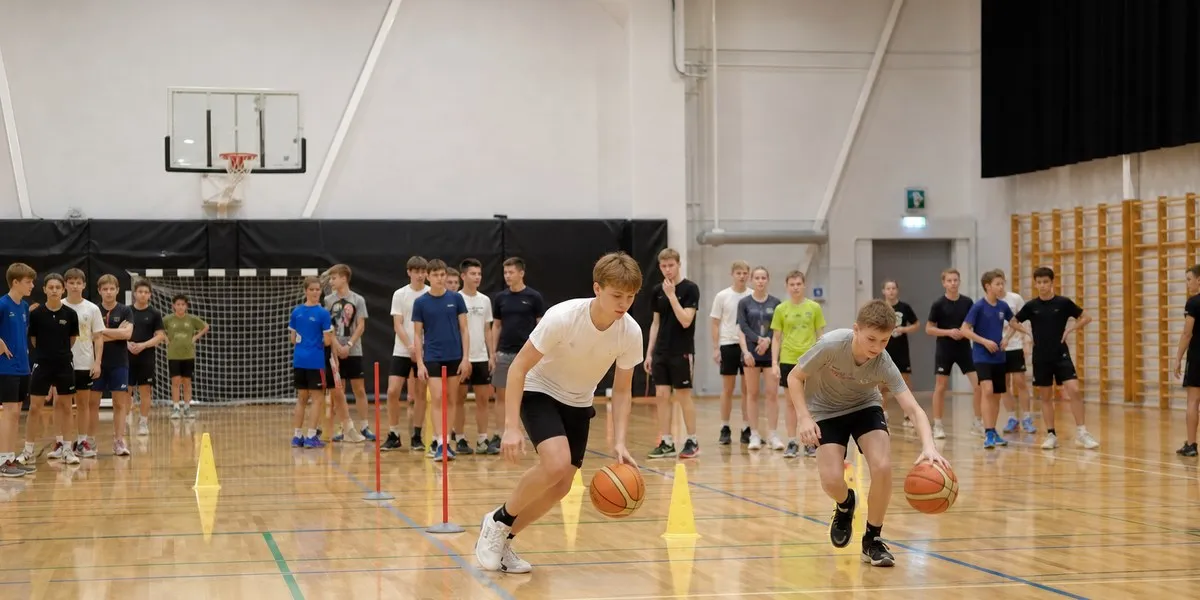
In Estonia, schoolchildren are recreating the atmosphere of the 1936 Berlin Olympics as part of the educational project “Time Travel.” Sport has become the theme of the program for the first time this year, and participants are invited to reflect both on Estonia’s sporting achievements at those Games and on the Nazis’ use of the competition for propaganda.
The projects in Estonia are coordinated by the Estonian National Museum in Tartu and the Association of History and Civics Teachers. The “Time Travel” method was developed in Sweden in the 1980s to connect school subjects through the recreation of historical experiences. It has been used in Estonian schools for nearly ten years, ERR News reports.
Sport and a complex historical topic
The project’s theme is titled “The Medal-Winning 1936 Berlin Olympics.” The initiative originated in the town of Kilingi-Nõmme in Pärnu County, with expert support provided by the Estonian Sports and Olympic Museum. Estonia won seven medals at the Berlin Olympics, its most successful Olympic performance.
More current news is available on the UA.News Telegram channel Telegram.
At the same time, the Games were an international showcase for Nazi propaganda. Project coordinator and history teacher at the Audentes Sports School in Tallinn, Pille Rohtla, explained that the goal is to recreate a specific historical moment as accurately as possible without glorifying the regime. Students are expected to reflect for themselves on the circumstances of that time and why people might have failed to notice obvious warning signs.
Classes in schools
At Mart Reiniku School in Tartu, the classes were combined with a school Olympics. On Saaremaa, students “met” heroes of the 1936 wrestling competitions, whose roles were played by modern athletes Heiki Nabi and Helari Mägisalu.
According to Rohtla, the scenario envisaged participants becoming talented young athletes selected from different parts of Estonia and invited to Tallinn for a day of practical and theoretical classes. She noted that this approach works best when active classes are combined with the study of historical material. The project’s theme for next year has not yet been determined.




