
France and Slovakia have made it more difficult to extend EU sanctions
The European Union extended individual sanctions against individuals and companies responsible for undermining Ukraine’s territorial integrity by only seven days. On Monday, September 14, EU ambassadors were unable to reach a full consensus due to demands from Slovakia and France to remove Russian oligarchs Mikhail Fridman and Alisher Usmanov from the list. EU member states now have additional time for consultations—until midnight on September 22.
On Monday, September 14, the Committee of Permanent Representatives of the EU member states in Brussels, known as Coreper, once again discussed the extension of targeted sanctions against Russia. These sanctions target individuals and companies that the European Union considers responsible for actions that undermine or threaten the territorial integrity, sovereignty, and independence of Ukraine. This time, the EU member states were unable to fully agree on extending the sanctions list. Instead of the standard long-term extension, the ambassadors agreed only to a short technical extension—for seven days. This gives the countries another week to try to find a common position.
According to the Irish Presidency of the Council of the EU, Coreper agreed to extend the sanctions regime until midnight on September 22. During this time, member states are to examine proposals for updating the sanctions lists in greater detail and attempt to conclude their consultations. This does not mean that the European Union has lifted sanctions against Russia or weakened the entire sanctions regime. On the contrary, this concerns the extension of specific individual restrictions. It’s just that this time, EU countries were unable to immediately agree on a final version of the list.
What Exactly Is Slovakia Objecting To?
Slovakia’s position has been the main obstacle to reaching an agreement. Bratislava insists on removing two Russian oligarchs—Mikhail Fridman and Alisher Usmanov—from the EU sanctions list. This is not a new demand from the Slovak authorities. Even during the previous extension of the targeted sanctions, Slovakia tried to have these two names removed. In March 2026, the EU ultimately extended the sanctions without such an exemption.
This time, Bratislava has returned to the issue once again. In early September, due to Slovakia’s position, EU ambassadors were unable to agree on extending the sanctions regime on several occasions. On September 9, Coreper failed to reach an agreement on the proposed extension, and on September 11, negotiations again ended without a final decision. On Friday, the situation became even more complicated. France joined the call regarding Usmanov, as it also wants the Russian billionaire removed from the list. However, Paris is not demanding Friedman’s removal.
Why France Wants to Lift Sanctions on Usmanov
The French position differs from that of Slovakia. Officials in Paris stated that, in general, they support increasing sanctions pressure on Russia and continuing to support Ukraine. French diplomatic sources explained to “European Truth” that the issue regarding Usmanov is linked to France’s national security. According to the publication’s source, Paris wants to respond positively to appeals from international partners on this issue. “France is one of the countries most committed to increasing pressure on the Russian war machine by all possible means,” said the French diplomat.
He also emphasized that France actively supports Ukraine. According to him, the demand regarding Usmanov is a separate issue related to national security, not a change in Paris’s overall policy toward Russia. Therefore, the situation in the EU currently appears somewhat unusual: a country that generally supports strong pressure on Russia is simultaneously insisting on the removal of one specific Russian oligarch from the sanctions list.
Who Is Alisher Usmanov
Alisher Usmanov is a Russian billionaire of Uzbek origin who has long held major business interests in metallurgy, telecommunications, and other sectors. He was also one of Russia’s wealthiest businessmen and had close ties to the Russian political and business elite. The European Union added Usmanov to its sanctions list following the start of Russia’s full-scale invasion of Ukraine. The restrictions include, in particular, the freezing of assets and a ban on providing him with funds or economic resources within the EU’s jurisdiction.
At the same time, Usmanov challenged his inclusion on the sanctions list in EU courts. In 2024, the General Court of the European Union annulled Usmanov’s inclusion on one of the previous sanctions lists covering the period up to March 2023, but this decision did not in itself mean the automatic annulment of all subsequent sanctions decisions concerning him.Later, his name remained on the current EU sanctions list. That is why the issue of his possible removal has once again become part of the negotiations among member states.
Who Is Mikhail Fridman
Mikhail Fridman is another prominent Russian businessman subject to EU sanctions. He was born in Lviv and later became one of Russia’s wealthiest entrepreneurs. Friedman was a co-founder of Alfa Group and is associated with major financial and energy assets. After Russia launched its full-scale war against Ukraine, the EU added Friedman to its sanctions list. The European Union justified the sanctions, in part, by citing his status as a major businessman with significant economic influence in Russia.
Friedman denied the allegations and challenged the sanctions in European Union courts. He also made public statements opposing the war, although the European sanctions against him were not automatically lifted as a result of these statements. This is not the first time Slovakia has sought to have Friedman and Usmanov removed from the list. This very issue was one of the reasons why the extension of the personal sanctions in March also came under particular scrutiny.
Who Else Remains Under EU Sanctions
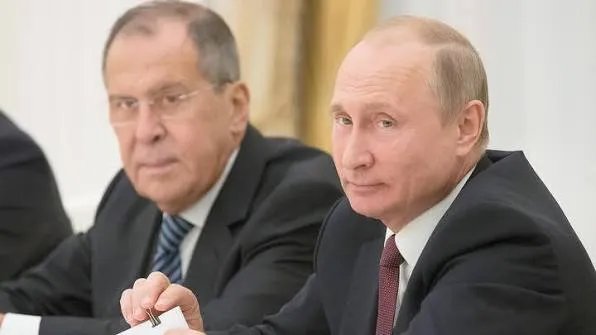
The EU sanctions list is much longer than just Friedman and Usmanov. It includes thousands of individuals and entities that the European Union links to Russia’s aggression against Ukraine, the occupation of Ukrainian territories, support for the Russian military machine, or other actions against Ukraine. Among the most prominent figures on this list are Russian President Vladimir Putin and Russian Foreign Minister Sergey Lavrov. The EU imposed personal sanctions against them as early as February 2022, following the start of Russia’s full-scale invasion.
Also subject to sanctions are representatives of the Russian leadership, State Duma deputies, members of the Federation Council, governors, officials, representatives of law enforcement agencies, and other individuals. Certain restrictions apply to companies, banks, defense sector enterprises, and other entities. In other words, the current debate within the EU is not about whether to continue sanctions pressure on Russia as a whole. The question is who exactly should remain on the specific individual sanctions list.
What sanctions apply to individuals on the list
EU personal sanctions consist of several key components. For individuals, these include, in particular, a ban on entry into or transit through the territory of the European Union, as well as an asset freeze. In addition, EU citizens and companies are prohibited from providing funds or other economic resources to sanctioned individuals. This means that a person may have assets in Europe but cannot freely dispose of them in accordance with the rules of the sanctions regime.
An asset freeze does not imply automatic confiscation of property. Rather, it involves blocking the ability to use the assets or conduct transactions involving them while the sanctions are in effect. This is precisely why the extension of sanctions lists has practical implications for every individual listed on them.
Why the EU Must Continuously Extend These Sanctions
Individual EU sanctions are not indefinite. They must be regularly reviewed and extended by decisions of the member states. In March 2026, the Council of the EU extended the relevant regime for another six months—until September 15. Before each such extension, countries can assess the situation regarding specific individuals and companies. They may agree to keep a person on the list, update information about them, or propose their removal.
This is precisely why sanctions negotiations sometimes drag on. To reach such a decision, EU member states must find common ground. If even one country disagrees with the proposed option, the issue may be sent back for further consultation. This time, the negotiations were complicated by two conflicting positions. Slovakia advocates for the removal of Friedman and Usmanov, while France advocates for the removal of Usmanov. As a result, the member states had to seek a compromise before the current sanctions period expired.
What’s Next
EU countries now have seven more days for negotiations. By September 22, diplomats must try to agree on a final extension of the sanctions regime and determine who will remain on the list. The Irish presidency of the EU Council has stated that extending the sanctions lists remains a priority. It emphasizes that the sanctions must maintain pressure on individuals and companies that support, facilitate, or benefit from the Russian war machine.
At the same time, the outcome of the new consultations remains uncertain. The fact that the EU has agreed only to a short-term extension indicates serious disagreements among individual member states regarding specific names on the sanctions list. That said, Putin, Lavrov, and other Russian leaders remain among those subject to EU sanctions under this regime, and the EU’s sanctions pressure against Russia continues to take effect.
The key question for Brussels now is whether it will be possible to reach a compromise on Friedman and Usmanov by September 22 and extend the entire list of individual sanctions without further delays.




