
How to recognize an indirect refusal in Mexico — Mexico News Daily
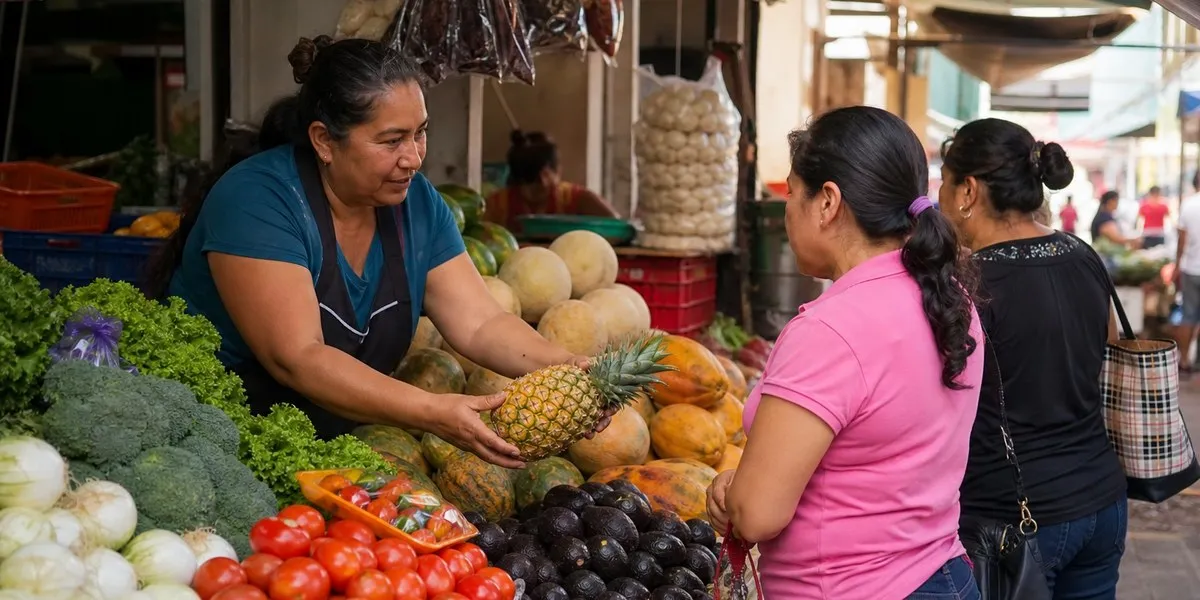
In Mexico, an indirect response to a request or proposal can sometimes mean a refusal, even though the interlocutor does not explicitly say the word “no.” This is discussed in a humorous article by writer and translator Sarah DeVries, published by Mexico News Daily.
The author describes this manner of communication as a desire not to upset others or spoil the atmosphere with negative news. As an example, she recalls an incident from life in Querétaro: before a celebration, a language school student did not tell his colleagues that his car radio and CD player had been stolen, so as not to ruin the evening.
Polite formulas instead of refusal
DeVries notes that the response “gracias” to a question that requires a “yes” or “no” can often be a polite refusal. She advises clarifying in such situations whether the expression of gratitude means “yes” or “no.” At markets, the phrase “muchas gracias,” according to her observations, usually lets sellers know that the customer does not plan to buy anything.
More current news is available on the UA.News Telegram channel Telegram.
Another expression is “a lo mejor sí,” meaning “maybe” or “probably.” It leaves open the possibility that an arrangement will not be fulfilled. The author also mentions the Mexican expression “dar el avión,” which refers to a situation in which a person pretends to agree or listen while trying to end the conversation as quickly as possible.
Indefinite timing and promises to stay in touch
The phrases “déjame ver” or “déjame checar,” meaning “let me see” or “let me check,” can also precede a negative response. Depending on the context, the word “ahorita” can mean either immediate action or an indefinite “later.” The expression “estamos en contacto” — “we’ll stay in touch” — is interpreted by the author as a polite way to say goodbye without a clear promise of further communication.


