
Japan to send F-2 fighter jets to India for exercises for the first time
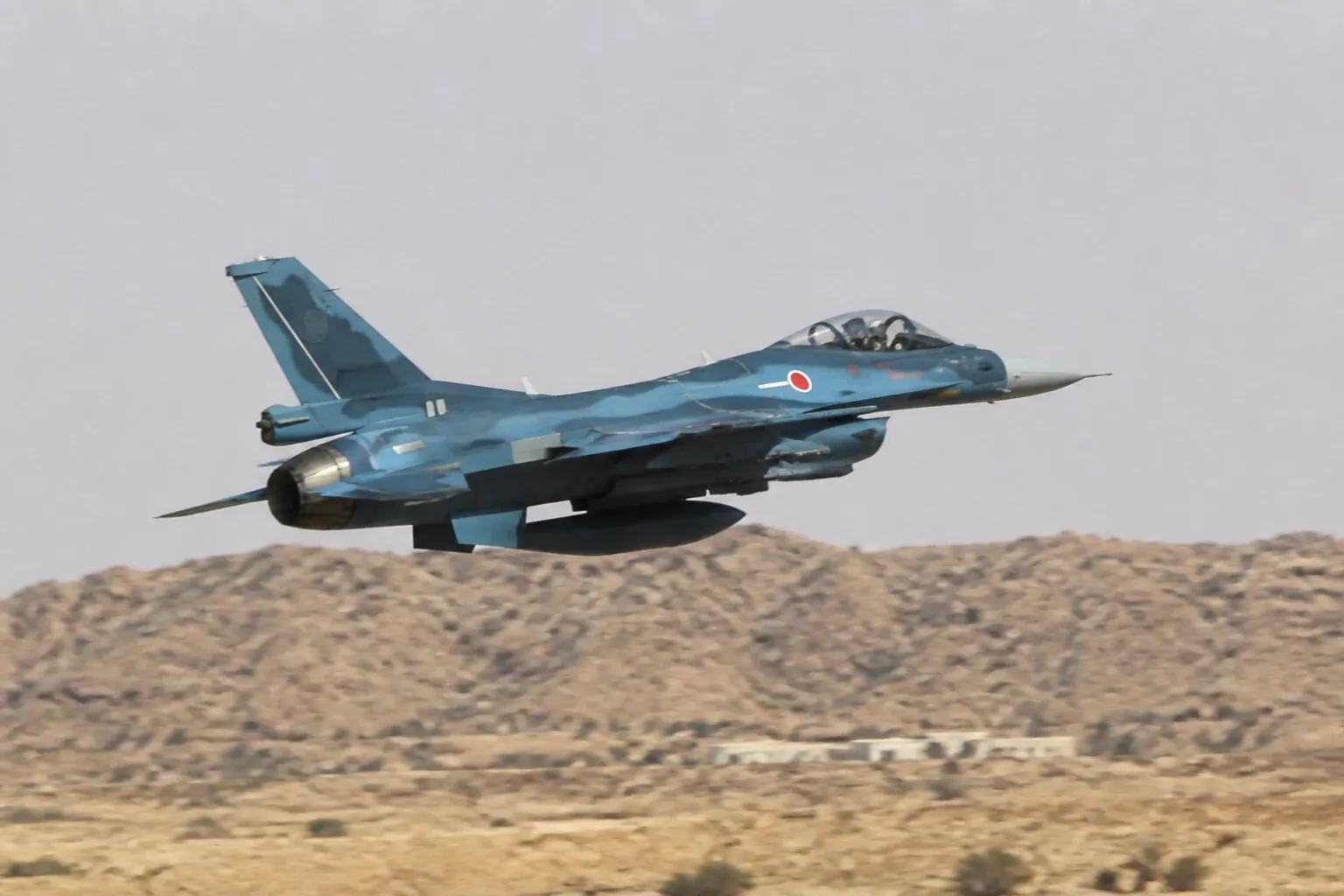
In September, Japan will send fighter jets to India for the first time for the joint Veer Guardian 26 exercises with the Indian Air Force. The drills will run from September 9 to 21 in the western Indian state of Rajasthan.
As the South China Morning Post reports, the Japan Air Self-Defense Force will deploy three F-2 fighter jets and about 110 personnel from the 8th Air Wing, based at Tsuiki Air Base in Fukuoka Prefecture. Japan Air Self-Defense Force Chief of Staff Takehiro Morita said the exercises are intended to strengthen mutual understanding and trust between the sides.
Defense cooperation
The deployment will follow Japanese Defense Minister Shinjiro Koizumi's visit to India. At a meeting with Indian Defense Minister Rajnath Singh, Koizumi pledged to deepen defense cooperation through bilateral exercises to ensure a free and open Indo-Pacific region.
Veer Guardian 26 will be the second joint air exercise between the two countries. The first drills were held in January 2023 in Japan, at Hyakuri and Iruma air bases near Tokyo. India then deployed Su-30MKI aircraft, while Japan used F-2 and F-15 fighter jets.
More current news is available on the UA.News Telegram channel Telegram.
The China factor
Jagannath Panda, head of the Stockholm Center for South Asian and Indo-Pacific Affairs, believes that the current exercises go beyond routine bilateral training. According to him, sending F-2s indicates that the two air forces are gradually moving from political and strategic understanding toward closer operational interaction, with China serving as an important strategic backdrop to this process.
Panda noted that India is confronting China along the Himalayan border, while Japan is facing increasing Chinese military activity in the East China Sea and the western Pacific. In his view, Tokyo and New Delhi increasingly see their security directions as interconnected.
Japan and India are members of the Quad security grouping along with the United States and Australia. Hudson Institute senior fellow Liselotte Odgaard described the exercises as part of a broader balancing strategy in the Indo-Pacific. In her assessment, they will also give Japanese forces experience in long-range deployments, expeditionary logistics and operations far from Northeast Asia.




