
Iraq devalues dinar by 15% amid falling oil revenues — The National
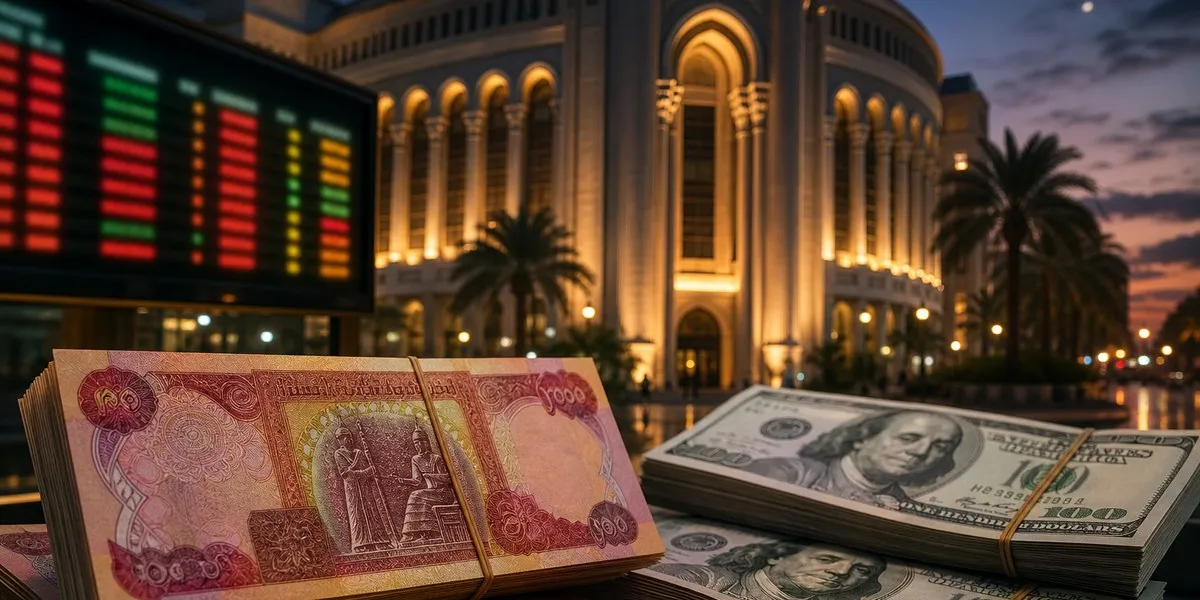
The Central Bank of Iraq devalued the national currency by about 15% on October 7, raising the official dollar selling rate from 1,320 to 1,520 dinars. The decision was made amid disruptions to oil exports through the Strait of Hormuz, which increased pressure on budget revenues and the state's ability to finance spending, The National reports.
Pressure on prices and rent
The weakening of the dinar threatens to reduce the purchasing power of citizens who receive salaries in the national currency. Iraq relies heavily on imports of food, medicines and consumer goods, so businesses face higher costs of purchasing dollars.
In Erbil, the capital of Iraqi Kurdistan, residential rent is often set in dollars. This creates an additional burden for tenants who earn income in dinars and have to buy foreign currency to pay for housing. At the same time, people with dollar-denominated salaries can receive more dinars after exchanging them, although this advantage diminishes if their expenses, including rent, are also denominated in dollars.
The gap between the official and parallel exchange rates also affects households. At exchange offices in Erbil, the dollar was selling this week for about 166,350 dinars per $100 — roughly 9% more than the official rate. Immediately after the devaluation was announced, the rate at some exchange offices reached 180,000 dinars per $100, before declining somewhat later.
More current news is available on the UA.News Telegram channel Telegram.
Government arguments and criticism
Samir Fakhri, a representative of the Central Bank's Directorate of Statistics and Research, said the devaluation was necessary to protect foreign currency reserves after oil revenues declined. Oil provides more than 90% of Iraq's state budget revenues, making the country's finances particularly vulnerable to export disruptions.
Supporters of the decision point out that the state will receive more dinars for every dollar of oil export revenue and will therefore be able to finance salaries and other domestic expenditures. At the same time, lawmakers and political forces have criticized the move and are demanding explanations from the government. The Coordination Framework, the main alliance of Shiite parties supporting the government in Baghdad, called for limiting the burden on the population.
The government promised to maintain subsidies for fuel and basic services and is considering customs concessions for food and essential goods. However, subsidies do not cover all household expenses, including rent, and imported goods may become more expensive.




