
Chile declares preventive state of emergency in seven regions — The Rio Times
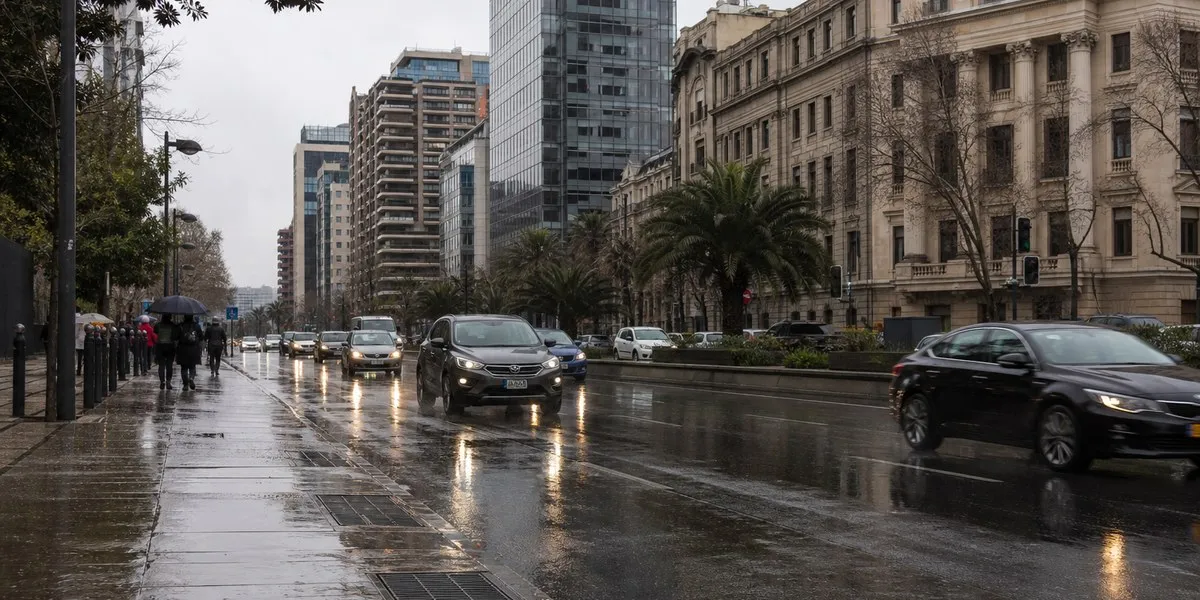
Chile introduced a preventive state of emergency in seven central regions from October 18 to 23 due to the approach of a cold front and a forecast of intense rainfall. The decision covers the regions of Coquimbo, Valparaíso, the Santiago Metropolitan Region, O’Higgins, Maule, Ñuble and Biobío. This was reported by The Rio Times.
President José Antonio Kast announced the move on October 17, and on the same day the Ministry of the Interior published Decree No. 1407 in the official gazette. The document was signed by Interior Minister Claudio Alvarado Andrade following a request from the Senapred agency and meteorological warnings.
Rainfall forecast and risks
The heaviest rain is expected on Tuesday, October 20, in Coquimbo, Valparaíso, Santiago, O’Higgins and Maule. According to the forecast, up to 35 millimeters of precipitation may fall in some areas over a short period, while the Santiago valley may receive between 20 and 30 millimeters.
Warnings for thunderstorms, hail and strong localized wind gusts will also be in effect from Monday through Tuesday evening from Coquimbo to Biobío. The decree lists urban flooding, rising river levels, overflowing canals, gully activity and landslides among the possible consequences of the bad weather.
More current news is available on the UA.News Telegram channel Telegram.
What powers the authorities receive
The preventive regime is provided for by Article 11 of Law No. 21.364, which regulates the national disaster response system. It allows the Ministry of the Interior, on the president’s instructions, to declare a preventive state of emergency when Senapred reports a risk of an emergency event occurring.
Under the decree, state bodies may strengthen weather monitoring, coordination between institutions, inspections of critical areas, and the preparation of personnel and resources. The document also allows the application of provisions of Decree No. 104 of 1977, which contains standing rules for responding to earthquakes and disasters.
The regime does not automatically impose travel restrictions, a curfew, evacuations, or the closure of roads and airports. At the same time, regional education authorities were instructed to assess the need to suspend classes: decisions on school closures will be made locally depending on the situation.




