
Israel, UAE and Bahrain mark anniversary of Abraham Accords
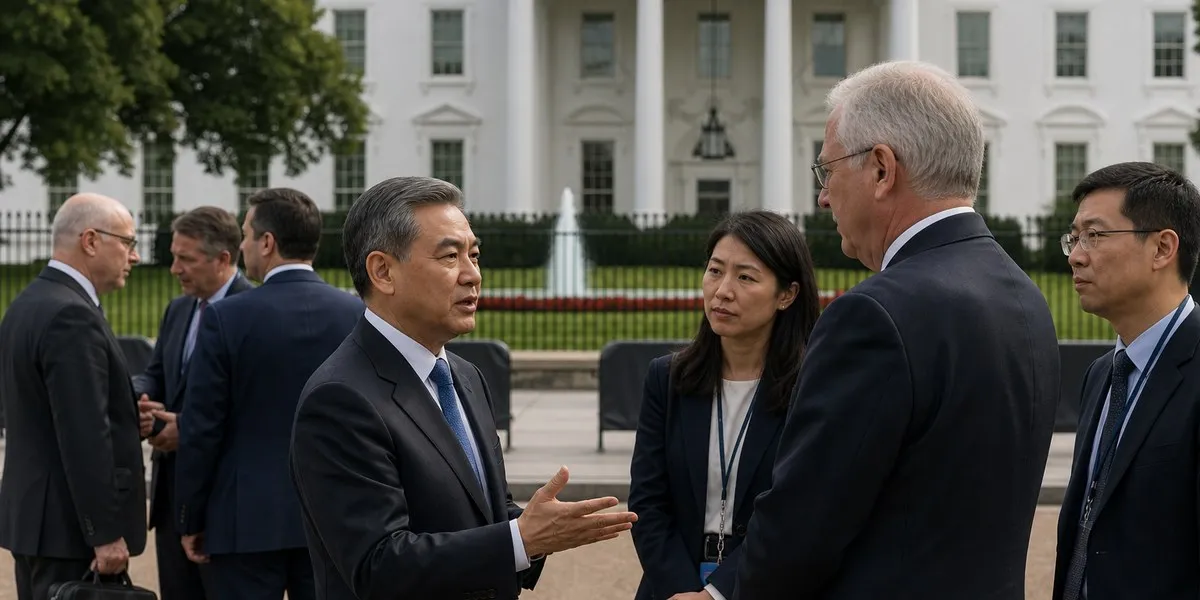
In Washington, United States, on September 15, 2020, Israel, the United Arab Emirates and Bahrain signed the Abraham Accords at the White House with the mediation of the United States. Israel, the UAE and Bahrain marked the anniversary of the agreements that initiated the normalization of relations between these countries.
As The Jerusalem Post reports, Israel's Foreign Ministry stated that the agreements changed the Middle East and remain a pillar for the region's future. The ministry also emphasized the development of partnerships, the creation of new opportunities and the expansion of the “circle of peace.”
Statements by diplomats
Israel's ambassador to Bahrain, Sammi Revel, stated that the signing of the agreements opened a new stage of diplomatic cooperation and regional partnership. According to him, relations between Israel and Bahrain demonstrate the importance of dialogue, trust and shared aspirations. He also pointed to prospects for cooperation in security, stability, economic development and innovation.
More current news is available on the UA.News Telegram channel Telegram.
Israel's ambassador to the UAE, Yossi Shelley, said in an interview with KAN Reshet Bet that he expects a new participant to join the agreements within four to six months. He suggested that Kuwait could become the next country.
Possible expansion of the agreements
According to the publication, after the initial signing, Morocco, Kazakhstan, Sudan and Somaliland decided to join the Abraham Accords. The normalization of relations between Israel and Saudi Arabia, which was considered one of the goals of the agreements, was suspended indefinitely after the Hamas-led attack on October 7 and the subsequent war in Gaza, according to The Jerusalem Post.
Lebanese Sunni lawmaker Fouad Makhzoumi told Middle East 24 in late August that Lebanon could join the agreements after Hezbollah is disarmed. Axios also reported on September 5 that the United States had begun developing a strategy for the period after the end of the war with Iran, which provides for containing Iran and normalizing Israel's relations with U.S. allies.


