
Birds of prey in Seoul suffer from collisions with urban infrastructure
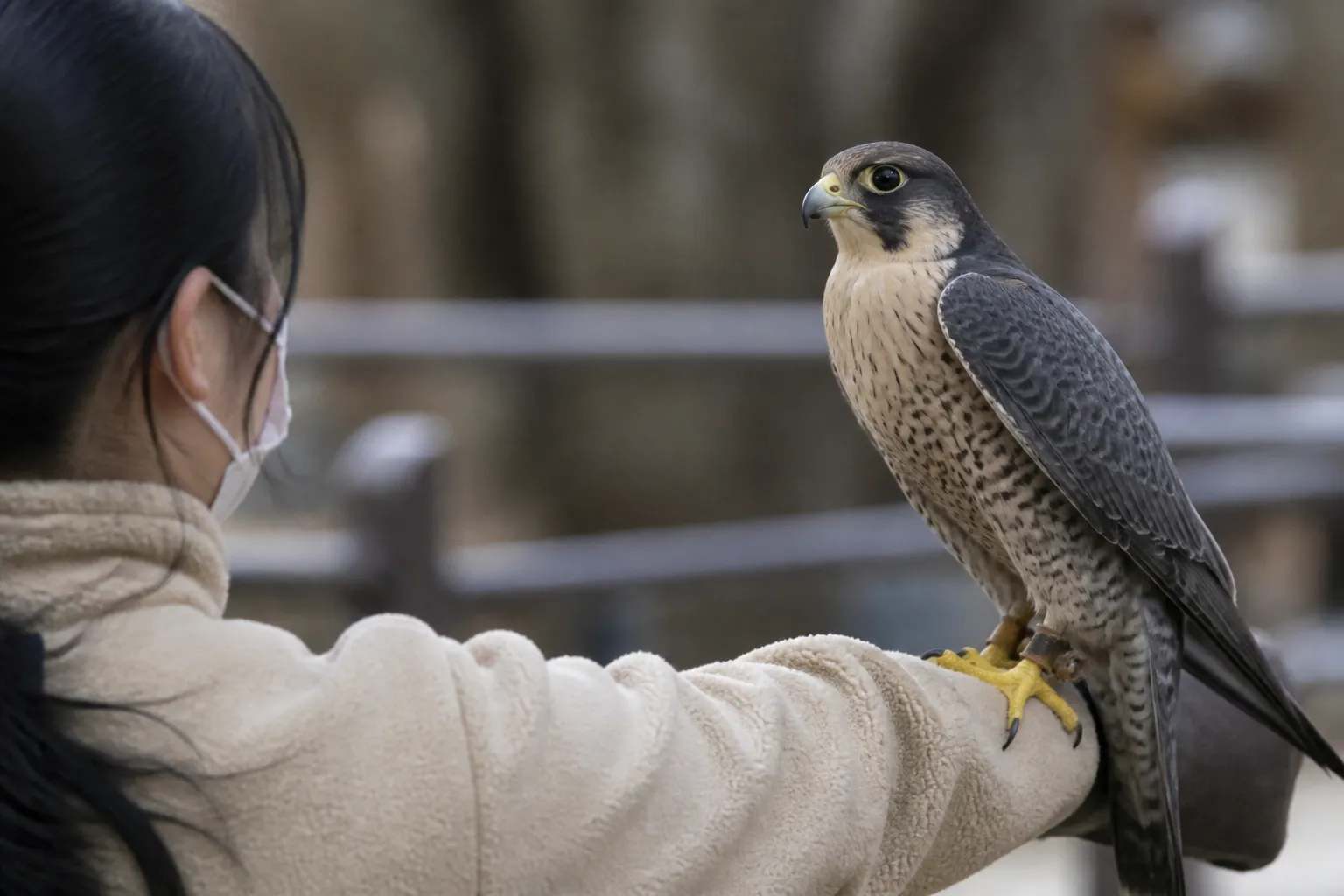
Birds of prey in Seoul and nearby areas regularly end up in rehabilitation centers after colliding with glass, noise barriers, power lines and other urban infrastructure. At the same time, the restoration of natural areas along the Han River has made South Korea’s capital more suitable for wildlife, reports The Korea Herald.
Habitat restoration and urban dangers
Since 2006, Seoul has restored natural riverbanks and expanded wetland ecological parks along the Han. The number of species recorded in the area increased from 1,608 in 2007 to 2,062 in 2022.
Choi Chang-yong, a professor of wildlife biology at Seoul National University, noted that neither the Ministry of Environment nor the Seoul city government has implemented special programs to preserve or restore populations of birds of prey. According to him, the restoration of riverside vegetation and surrounding forests, as well as efforts to reduce pollution, have had a positive effect on the diversity and populations of these birds.
The Seoul Wildlife Center recorded 2,540 bird collisions between 2017 and 2024. Brown hawk-owls accounted for 7.3% of these cases, scops owls for 4.2%, and kestrels for 2.6%.
More current news is available on the UA.News Telegram channel Telegram.
The role of birds of prey
The Hangang Wildlife Research and Conservation Center in Hanam is treating, among others, two black vultures with severe injuries. Shelter representative Kim Dae-sik said the birds broke their wings after catching on a tall power-line support while flying in high-altitude air currents. He added that birds with concussions have little chance of survival, while fractures may prevent them from surviving in the wild even after recovery.
Birds of prey regulate the numbers of rats, pigeons and crows, which are often considered problematic species in the metropolitan region. Scientists also describe them as indicators of ecosystem stability and health. Kim warned that a decline in the magpie population could indirectly affect kestrels: if there are fewer magpies, there may be more crows, and they raid kestrel nests.
Protection from collisions
Bird rescuers report that applying linear and dot patterns, as well as bird-shaped stickers, to transparent noise barriers likely contributed to a reduction in the number of registered collisions. According to the Seoul Institute, the number fell from 1,391 in 2022 to 1,138 in 2024. Experts stress that stickers alone are not enough and that urban planning must take wildlife needs into greater account.




