
Burundi questions independence of anti-corruption committee — The Rio Times
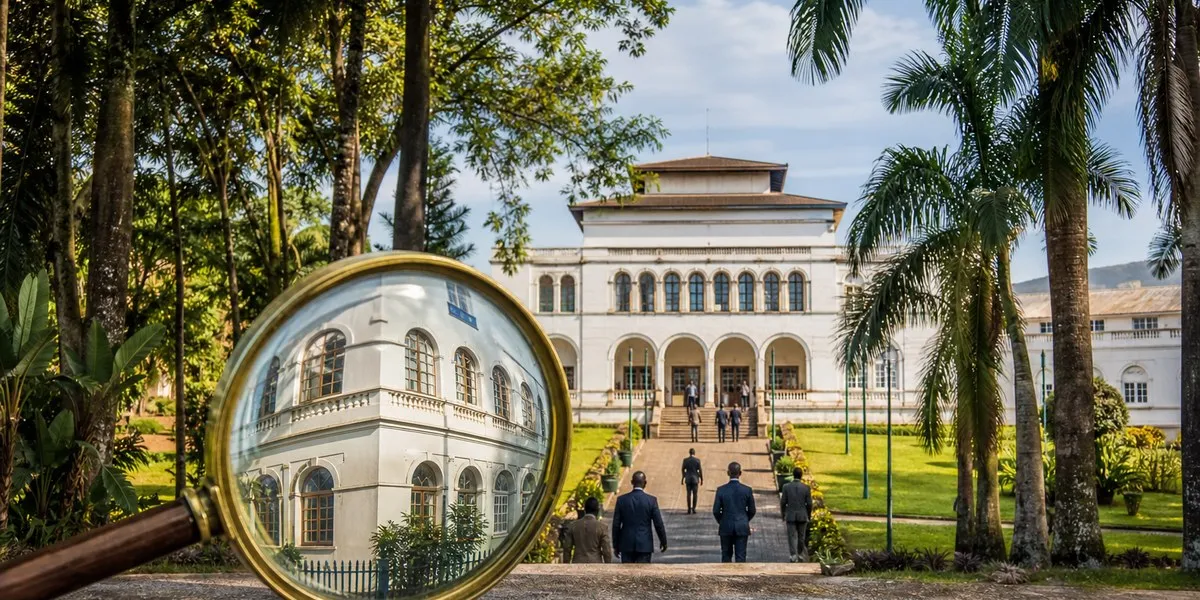
In Burundi, civil society representatives and an economist have expressed doubts about the independence of a committee tasked with implementing the National Strategy to Combat Corruption and Economic Malpractice. President Évariste Ndayishimiye officially launched its implementation on October 9, 2026, at the Kiriri Palace in Bujumbura, The Rio Times reports.
The strategy was presented as a mechanism to strengthen prevention, oversight and punishment for practices that harm state resources. Its launch is accompanied by a three-month nationwide information campaign. As part of the campaign, joint anti-corruption committees are to operate at the local level, while citizens will be informed about the sources of state revenue and how it is used.
According to The Rio Times, the APA-Bujumbura agency and Bénin Web TV did not publish the legal text or a list of members of the national committee. The Iwacu outlet also reported that it had not found a decree or another legal act establishing it.
Committee composition
The Burundian outlet Iwacu, cited by The Rio Times, lists President Ndayishimiye, Prosecutor General Rose Nkorerimana, Finance Minister Alain Ndikumana, Justice Minister Alfred Ahingedje, and Interior Minister Léonidas Ndaruzaniye among the committee's members.
According to Iwacu, the committee also includes three civil society representatives: Gabriel Rufyiri from the anti-corruption organization Olucome, Gérard Hakizimana from Folucon.F, and Hamza Jonathan Niyongabo, who represents the Muslim community of Bujumbura Province. Other sources have not confirmed this composition.
More current news is available on the UA.News Telegram channel Telegram.
Iwacu also reported that the president announced plans to create a blacklist of people accused of corruption, with records searchable for 20 years. Other announcements included the sale of suspects' assets before trial.
Public criticism
Vianney Ndaisaba of the Aluchoto organization believes that the presence of executive branch officials on the committee could call into question its ability to investigate possible abuses within the government. He called for scrutiny of suspected corruption in public contracts, fertilizer operations, and funds related to the Mpanda dam.
Faustin Ndikumana, a representative of the Parcem organization, insists on the official publication of the strategy's text and a clear legal basis for its implementation in accordance with anti-corruption legislation and the Criminal Code. In his view, the implementation and evaluation of the strategy should not be concentrated in the same government bodies.
Economist André Nikwigeze, a former senior economic adviser to the UN Secretariat, called the announcements political promises ahead of elections. He recalled the good governance and anti-corruption strategy launched in 2011, which, he said, was never fully implemented.




