
Queensland to create national parks on nearly 400,000 hectares — ABC News Australia
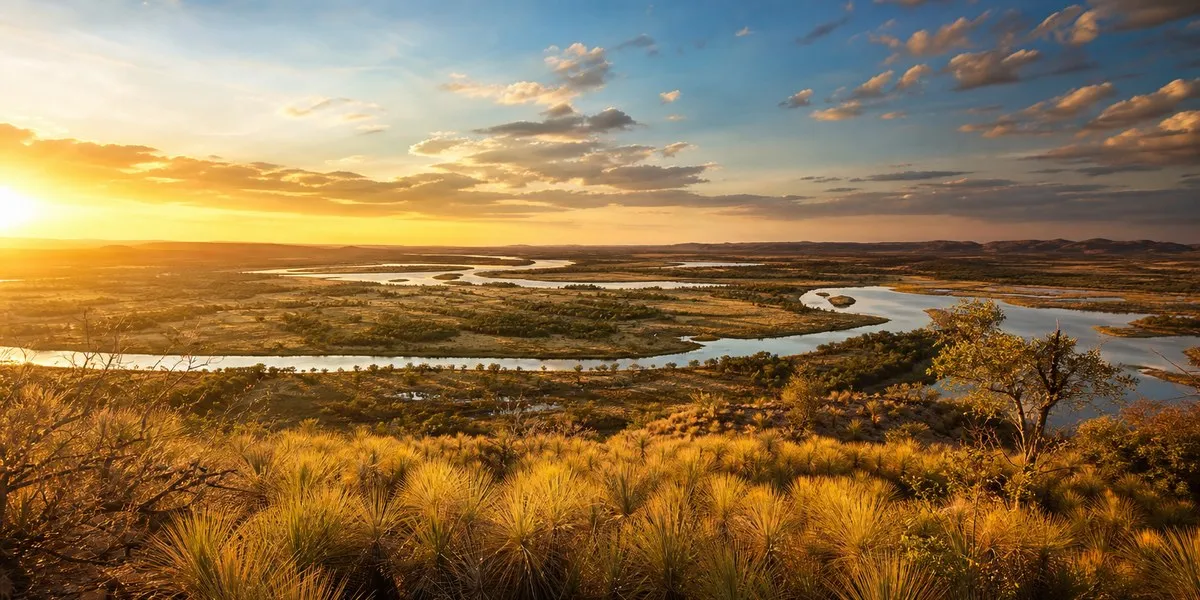
The Queensland government in Australia plans to convert nearly 400,000 hectares into new national parks. Parts of the Westmoreland and Cliffdale cattle stations in the Gulf Country region, as well as the entire Kendall River station on the Cape York Peninsula, are set to become protected state-owned land, ABC News reports.
The land was acquired in 2024 under an agreement involving the Queensland government, The Nature Conservancy, which provided $21 million, and the federal government, which allocated $3.5 million. According to Nature Conservancy Australia executive director Mike Roach, the purchased properties are valuable parts of local ecosystems, featuring Gulf plains, spinifex, wetlands and rivers.
Habitats for species
The Gulf Country is home to the Carpentarian grasswren, purple-crowned fairy-wren and grey falcon. The source explicitly describes the Carpentarian grasswren as an endangered species. Cape York is home to swamp mahogany, Darwin eucalyptus, palm cockatoos and white-bellied sea eagles. Cliffdale has 174 wetlands.
Roach also said that part of the land on Cape York would become Aboriginal freehold land. Traditional owners will have opportunities to take part in managing the territories in the Gulf region.
More current news is available on the UA.News Telegram channel Telegram.
Road maintenance and weed control
Burke Shire Mayor Ernie Camp supported the protection of natural areas but expressed concern about the loss of revenue from local taxpayers. According to him, the roads leading to the new protected areas and the existing Lawn Hill National Park fall under the jurisdiction of the shire council.
The shire, with a population of 550 people, has an annual rate base of $4 million and maintains 550 kilometres of roads across an area equal to two-thirds of Tasmania. Camp also said that rubber vine and prickly acacia have spread significantly due to wet conditions since 2023, and in some areas almost no native grasses remain beneath their cover.
A representative of Queensland Environment Minister Andrew Powell said that Queensland Parks and Wildlife would manage most of the land. The number of rangers to be involved has not yet been determined; authorities are developing plans for visitor access, infrastructure, land management and resources for their long-term maintenance.




