
Liberia receives first group of people transferred from the US
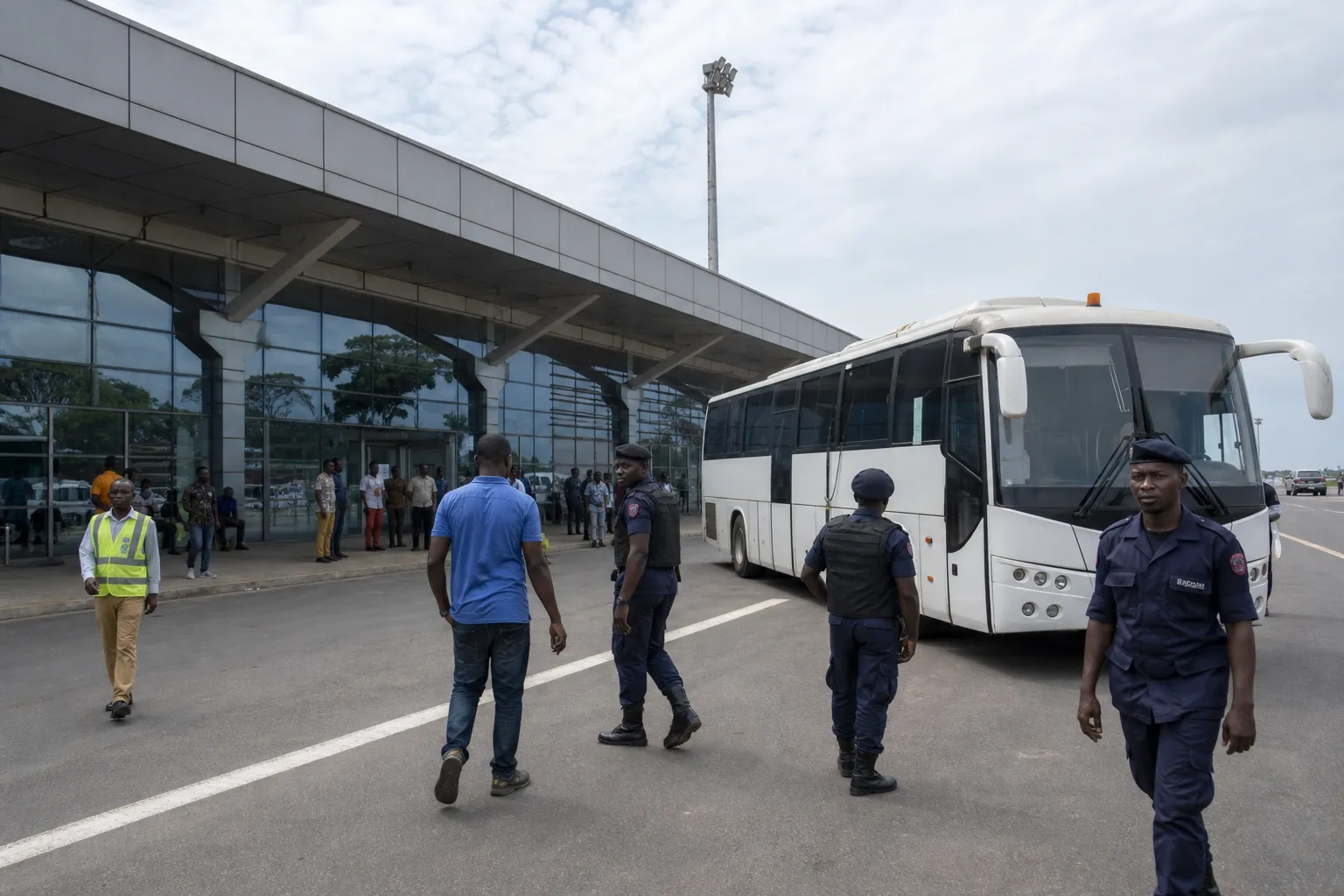
Liberia has received the first group of 20 people whom the United States transferred to the country under an agreement on deportation to a third country. According to Al Jazeera, the plane arrived at Roberts International Airport near Monrovia on Thursday. Liberian officials then took the arrivals by bus to an unknown destination.
Most of those transferred are citizens of Latin American countries, including Venezuela and Cuba, and do not hold Liberian citizenship. The authorities did not say where they were accommodated, on what legal grounds they entered the country, or what status they will have going forward.
Status of the arrivals
Liberia’s Information Minister Jerolinmek Piah said the arrivals were not detained and would be received as “guests of the republic.” According to him, they may leave the country or apply for asylum.
At the same time, the status of “guests” is not defined by Liberian law. It remains unclear whether these people entered on temporary permits, whether they can work, and whether they must apply for asylum or residency.
More current news is available on the UA.News Telegram channel Telegram.
Liberian lawyer Samwar Falla, who is providing free assistance to the families of those transferred along with two US immigration lawyers, said relatives in the United States are trying to establish the whereabouts of their loved ones and their future rights. Piah also said that accommodation, food, and possible onward travel would be paid for by the US government and an international partner organization whose name the authorities did not disclose.
Politicians’ objections
The agreement provides that Liberia may receive up to 1,200 people deported from the United States over the next 12 months. The government announced it on Tuesday, two days before the first group arrived.
Some Liberian politicians said they were not consulted about the agreement. Nimba County Senator Samuel Kogar, citing Article 57 of the constitution, questioned the legal basis for the arrangement without approval by a majority in both chambers of the legislature.
Representative Anthony Williams said the executive branch should not independently conclude an agreement concerning national security and sovereignty. He also raised questions about the country’s capacity to provide housing, medical care, screening, and documentation for up to 1,200 people.


