
Merz Received a Record-Low Level of Support in Germany
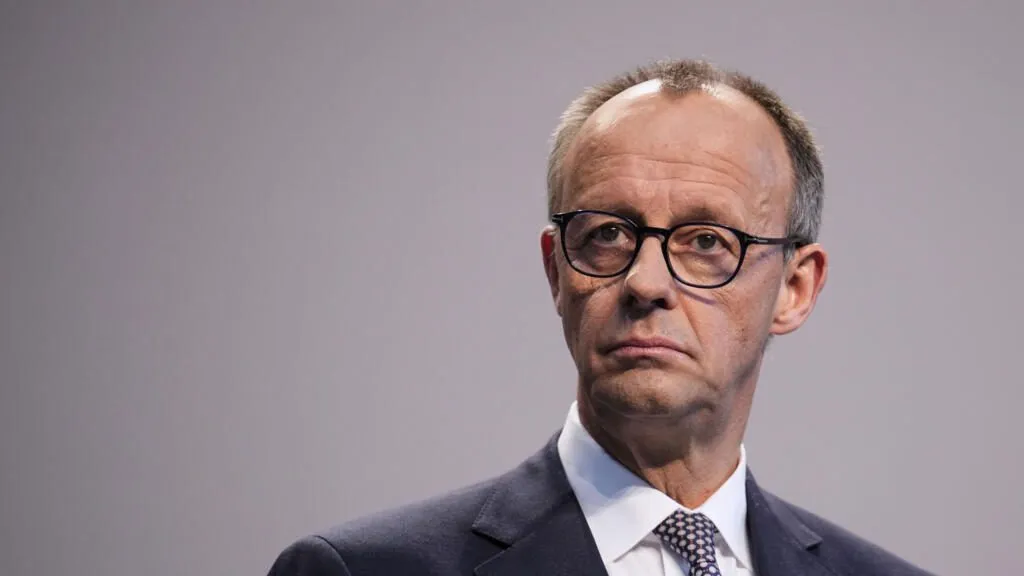
Only 10% of Germans are satisfied with Chancellor Friedrich Merz’s performance. This is the lowest rating for a head of government in the entire history of the ARD-DeutschlandTrend survey. At the same time, 88% of those surveyed said they were dissatisfied or very dissatisfied with his performance. The poll was conducted in late September among 1,303 German citizens eligible to vote.
German Chancellor Friedrich Merz’s approval rating has fallen to its lowest level since the ARD-DeutschlandTrend survey began. According to the results of the new survey, only 10% of respondents said they were very satisfied or satisfied with his performance. This figure has decreased by 3 percentage points over the past month. In contrast, 88% of those surveyed expressed dissatisfaction with the chancellor’s performance. This is 5 points higher than in the previous poll. Thus, Merz has the lowest satisfaction rating of any chancellor ever evaluated by the ARD-DeutschlandTrend.
By comparison, Merz’s rating was significantly higher back in the spring. In May, 16% of those surveyed were satisfied with his performance. At the time, this was already described as the worst result for a sitting chancellor in the history of this survey. In October, the rating dropped by another 6 points. At the same time, it wasn’t just Merz’s performance that received low marks. Overall, only 10% of respondents were satisfied with the federal government’s performance. This, too, is a historic low for ARD-DeutschlandTrend.
Among government members, Defense Minister Boris Pistorius was once again rated highest in the poll. Fifty percent of respondents said they were satisfied or very satisfied with his work. This is one point lower than in the previous poll. The ratings for other ministers were noticeably lower. Thirty-four percent of those surveyed are satisfied with the work of Foreign Minister Johann Wadepful. Twenty-seven percent are satisfied with Interior Minister Alexander Dobrindt.
Finance Minister Lars Klingbeil received 20% positive ratings. Health Minister Carsten Linnemann received 18%. Labor Minister Bebel Bass received 17%. The ratings for several prominent opposition figures were also low. Tino Hrupalla, leader of the “Alternative for Germany” parliamentary faction, received 22% positive ratings. Heidi Reichinnek, co-chair of the Left Party, received 16%, and Britta Hasselmann, chair of the Green Party parliamentary group, received 9%.
The poll also revealed widespread dissatisfaction among Germans with the government’s performance. Seventy-seven percent of respondents said they are feeling an increasing financial and other burden, even though the government had promised relief for the population. About half of those surveyed fear they will not be able to maintain their current standard of living in the future. At the same time, half of the respondents said they would be willing to personally accept certain restrictions if the government clearly explained why they are necessary. Among possible changes in the social sphere, 41% are more willing to accept higher contributions to social funds, while 37% favor reducing social benefits.
The survey also asked specifically about the main threats to Germany. 54% of respondents fear that Russia might attack other European countries. 66% are concerned about the possible consequences of U.S. President Donald Trump’s policies for Germany. Another 60% expressed concern about climate change. At the same time, the most common political concern was the inability of political parties to reach agreement on issues important to the country. This problem was cited by 84% of those surveyed.
The ARD-DeutschlandTrend survey was conducted by infratest dimap on September 28–30. It included 1,303 German citizens eligible to vote. Data was collected by telephone and online, and the results were rounded to whole percentages. For a 10% margin of error, the statistical margin of error is approximately 2 percentage points; for a 50% margin of error, it is approximately 3 percentage points.
Thus, the new poll shows a sharp drop in approval ratings for Merz and the entire government. At the same time, the poll results reflect respondents’ sentiments specifically at the time the survey was conducted—in late September 2026. This is evidenced by the results of the ARD-Deutschlandtrend poll, according to Welt.
German Chancellor Friedrich Merz stated that Russia supports the far-right party “Alternative for Germany” (AfD). According to him, Moscow is attempting to influence German society, spread disinformation, and undermine support for Ukraine.




