
The Russian Ministry of Finance has proposed raising the tax on income from deposits
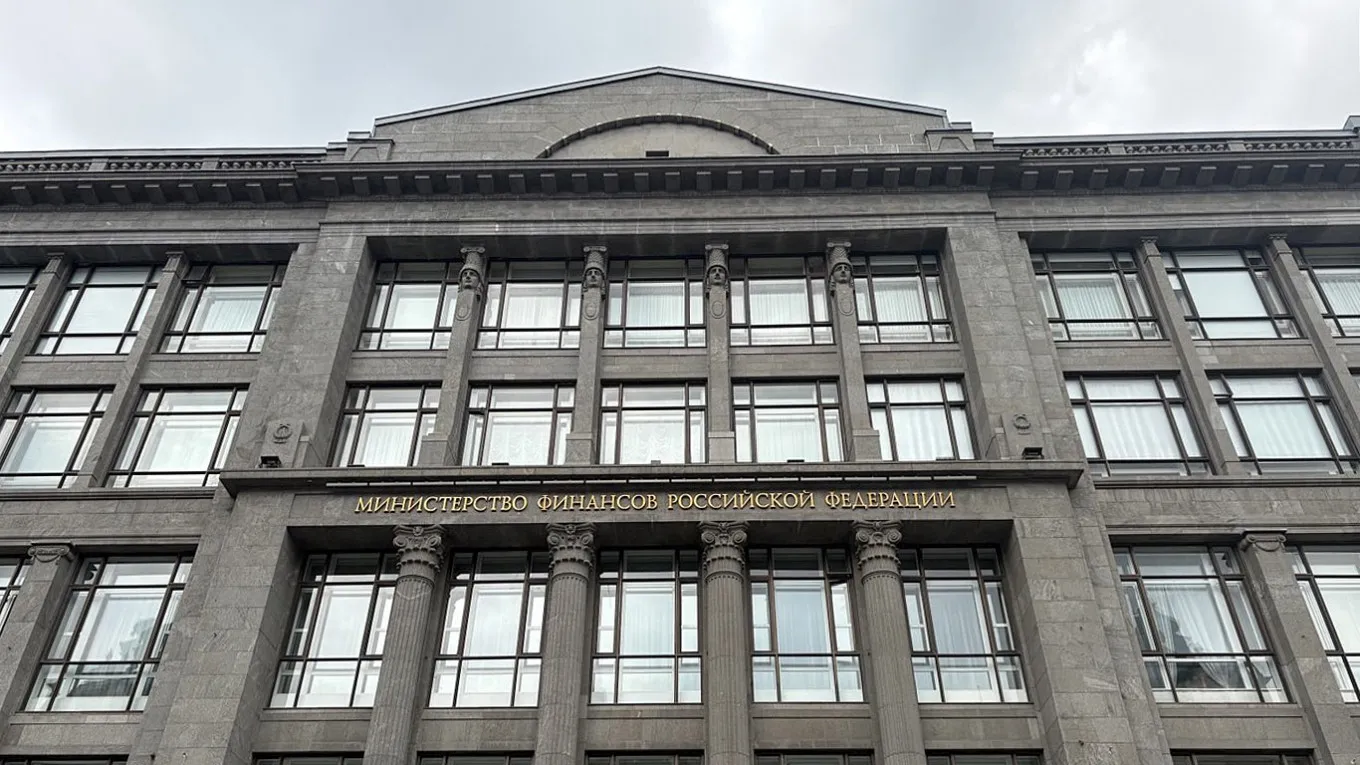
The Russian Ministry of Finance has proposed changing the rules for taxing income from bank deposits. If the proposal is approved, interest on deposits will no longer be taxed separately at rates of 13% and 15%, but will instead be included in the general progressive personal income tax scale with rates of up to 22%.
The Russian Ministry of Finance has proposed including income from bank deposits in the main personal income tax base. This proposal is part of the 2027–2029 budget package, which the Russian Ministry of Finance submitted on September 24. This applies not only to deposits but also to dividends, income from securities, the sale of property, insurance payments, and certain other sources of income.
Currently, separate rules apply to so-called passive income. Interest on bank deposits for Russian tax residents is taxed at a rate of 13% if the taxable base does not exceed 2.4 million rubles per year, and at 15% on amounts exceeding that threshold. The higher rates of 18%, 20%, and 22% for such income are not currently applied.
This is precisely what the Ministry of Finance wants to change. After the tax bases are consolidated, the tax rate will depend not on the source of the income, but on the total amount of a person’s income. For the basic tax base in Russia, there are currently five rates: 13%—up to 2.4 million rubles per year, 15%—from 2.4 to 5 million, 18%—from 5 to 20 million, 20%—from 20 to 50 million, and 22%—over 50 million rubles.
This means that, if the changes are adopted, a portion of income from deposits may no longer be taxed at the maximum rate of 15%, as is currently the case, but at a rate of up to 22%. However, this does not mean that 22% will automatically be withheld from a person’s total income. The progressive scale operates in tiers: the higher rate applies only to the portion of income that falls within the corresponding range.
At the same time, the Ministry of Finance proposes to maintain the tax exemption for small deposits. The tax-free threshold for income from deposits of up to 1 million rubles is to remain in place. Additionally, according to the ministry, the proposed changes will not apply to the income of participants in the so-called “SVO.” The Ministry of Finance explains the change as a desire to unify tax rules. It believes that the tax rate should depend on the amount of income, rather than on whether a person received the money as a salary, dividends, or interest on a deposit.
According to estimates by the Russian Ministry of Finance, the new measure will affect no more than 6% of people with taxable income. That is about 4 million citizens. At the same time, the amount of a bank deposit itself is not currently the basis on which tax is directly levied. It is the interest income received that is taxed. In addition, the Russian tax authorities take into account interest on all of a person’s deposits and accounts in Russian banks. The system for taxing interest on deposits in Russia was introduced following a temporary tax exemption for such income in 2021–2022. The Bank of Russia explained that this was an anti-crisis measure. Depositors paid the first taxes on interest earned in 2023 in 2024.
Subsequently, budget revenues from this tax increased significantly. This was due, in particular, to higher deposit rates and an increase in the amount of funds that Russians hold in banks. According to the Bank of Russia, in December 2025, the maximum deposit rates at the largest banks were approximately 15.3–15.6% per annum. Throughout 2026, rates began to decline in line with changes in the key rate; however, bank deposits remain one of the primary ways for Russians to save their money.
At the same time, the bulk of deposit funds is concentrated among a relatively small number of depositors. According to data cited in reports on the Russian banking sector, a significant portion of savings belongs to people with large account balances. It is the income of these depositors that is most likely to be subject to higher rates if the rules change.
For example, if a person has a deposit of 100 million rubles and the bank pays 15% per year, they will receive about 15 million rubles in interest income over the course of a year. Under the current system, such income is taxed according to separate rules. After the tax bases are consolidated, the tax rate will depend on the person’s total income and the corresponding bracket on the progressive tax scale.
It is important to note that the proposed changes are not yet law. The Ministry of Finance has only proposed making the relevant amendments to tax legislation as part of the budget package for 2027–2029. Therefore, the final tax terms may change during the bill’s consideration. In addition to taxes on income from deposits, the Russian Ministry of Finance proposes changing the rules for dividends, securities transactions, and other types of so-called passive income. In this way, the ministry aims to extend the general progressive personal income tax scale—ranging from 13% to 22%—to a broader range of citizens’ income.




