
Scientists defend older dating of Monte Verde site in Chile
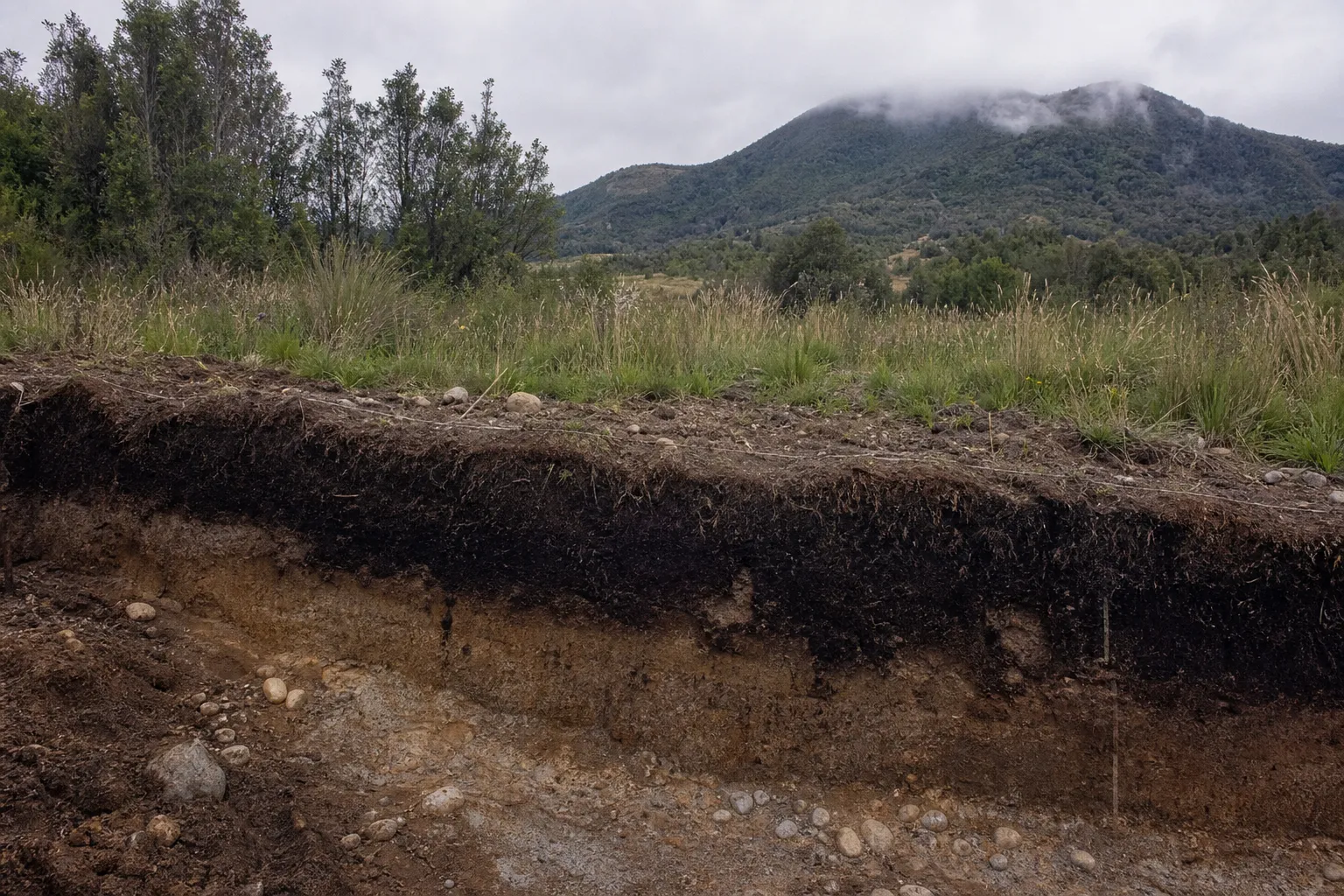
Two groups of researchers are defending the conclusion that the Monte Verde archaeological site in southern Chile was inhabited by hunter-gatherers about 14,500 years ago. New analyses published in the journal PaleoAmerica point, in the authors’ view, to fundamental flaws in a March study that estimated the site’s age at between approximately 4,200 and 8,200 years, Cyprus Mail reports.
Dispute over the site’s age
Monte Verde is located in a stream valley about 58 kilometers from the Pacific coast. The site was discovered in the 1970s, and research findings announced in 1997 indicated that people were present there about 14,500 years ago.
Vanderbilt University anthropologist Tom Dillehay, who has been studying Monte Verde since the 1970s, said that the authors of the paper proposing a younger age had not demonstrated that the original geological interpretation of the site was incorrect. In his view, their evidence was based not on observations directly at the location where the archaeological remains were found, but on geological data from outside the site.
One of the key elements of the article in Science was a description of a layer of volcanic ash deposited about 11,000 years ago. If this layer had indeed lain below the archaeological evidence of habitation, it would have indicated a later human presence at Monte Verde. Dillehay noted that this ash layer had not been recorded by researchers working at the site since 1977.
More current news is available on the UA.News Telegram channel Telegram.
Significance for the history of the peopling of the Americas
If the dating of 14,500 years is correct, Monte Verde would be more than 1,500 years older than the previously oldest known human sites south of North America’s continental ice sheets. These sites are associated with the Clovis culture, known for its distinctive stone tools. The older dating of the Chilean site was regarded as evidence that people may have reached the Americas from Eurasia earlier than the Clovis sites indicated.
Todd Surovell, an archaeologist at the University of Wyoming and lead author of the study proposing a younger age for Monte Verde, said that he remains confident in the methodology and results of his work. He supported further independent study of the site’s age and the processes that formed it.
At Monte Verde, researchers found human footprints near a hearth, remains of hearths, wooden tools and stakes, as well as remains of potatoes, bones, and animal meat. According to Dillehay, an anaerobic peat layer preserved organic materials well, including worked wood, remains of structures, plants, and seaweed.




