
Nepal prepares legal changes for families of those missing after floods — The Hindu
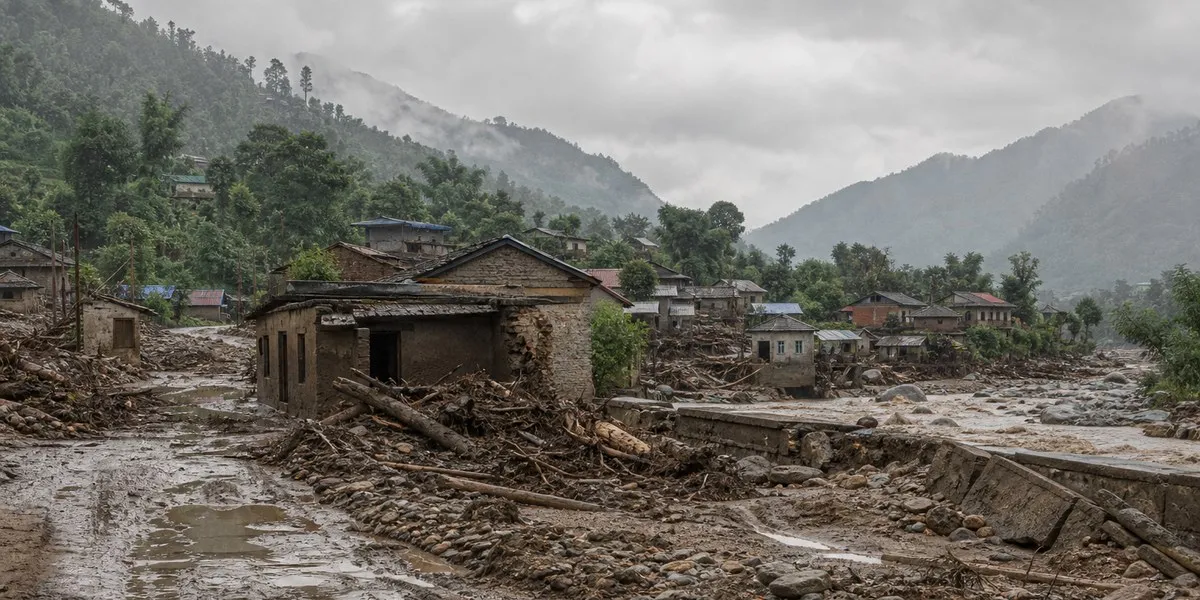
The Government of Nepal is preparing legislative changes intended to simplify the declaration and registration of death for 5,285 people who are still considered missing after the large-scale floods of August 26. This will allow their families to claim assistance, compensation and other payments provided for by law, The Hindu reports.
Amendments to two laws
The authorities plan to amend the Disaster Risk Reduction and Management Act and the National Identity Card and Registration Act. Officials discussed the issue on October 6 at a meeting of a special parliamentary committee established to study the consequences of the disaster.
Subash Kumar Bhattarai, deputy secretary at the Ministry of Law, Justice and Parliamentary Affairs, said that the current provisions are insufficient for declaring and registering the deaths of people who went missing during a natural disaster. According to officials, the amendments will be advanced through an expedited procedure.
More current news is available on the UA.News Telegram channel Telegram.
Legal procedure
Under Nepal's Civil Code, a person is usually considered dead after 12 years of continuous absence. At the same time, Article 40 of the code provides for the possibility of a court declaration of death if a person has gone missing or is presumed to have died as a result of a disaster or accident. However, the existing court procedure proved difficult for families of those missing after the floods.
Law Minister Sobita Gautam said that the government is also preparing changes by ordinance, as the regular session of parliament has ended. The search and rescue operation after the floods on the Bhotekoshi and Trishuli rivers was completed on October 5, 40 days after work began. According to updated data from the National Disaster Risk Reduction and Management Authority, the floods claimed at least 1,455 lives and left 5,285 people missing.
The flash floods that occurred near the Nepal-Tibet border destroyed settlements in the northern and central parts of the country. Torrents of water swept away homes, vehicles, roads and bridges, and also damaged hydropower facilities. The authorities have focused on rehabilitating and rebuilding the affected areas, while the search for human remains and belongings will continue during this work.




