
Germany plans to build up a strategic gas reserve in case of a crisis
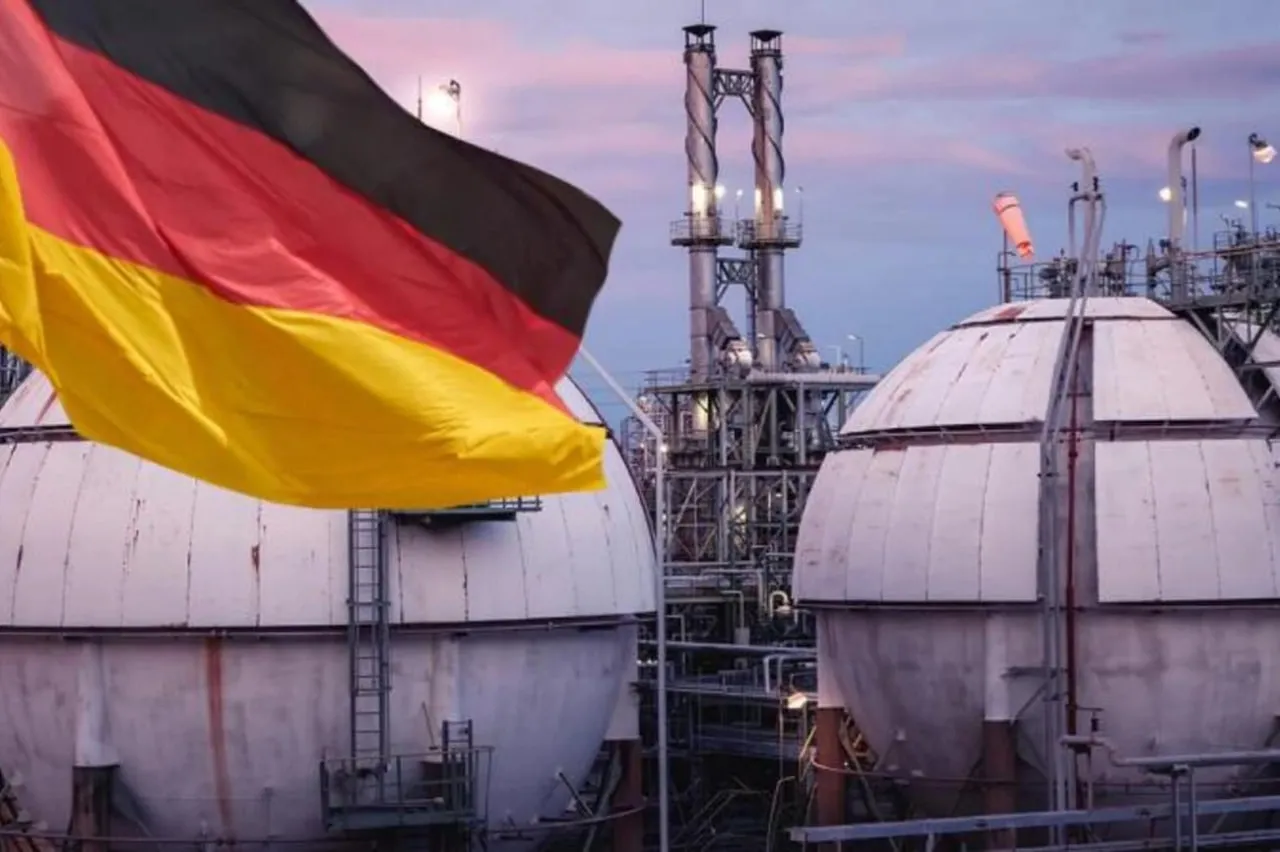
Germany is considering the possibility of creating a state strategic natural gas reserve, which is intended to help the country in the event of supply disruptions.
This reserve is intended to serve as an additional mechanism for energy security and a kind of “safety net” in case of emergencies.
The initiative stems from the country’s desire to reduce risks to its energy supply and be prepared for potential crises in the gas market.
The Ministry of Economy confirmed that the government has agreed on a plan to create a gas reserve that would ensure supply for the country’s needs in an exceptional situation and allow it to sustain operations for 30 days in the event of a failure of critical import infrastructure.
Earlier, Reuters reported that the estimated cost of the project is 1.2–1.5 billion euros, which is planned to be funded not directly from the federal budget but through a consumer tax; annual maintenance could cost 150–180 million euros.
The plan calls for a reserve with a capacity of 24 terawatt-hours, which is equivalent to 10% of Germany’s existing storage capacity. To avoid impacting the market, gas purchases for the reserve will be “spread out” over 2–3 years. The first batches are scheduled to be injected in the summer of 2027.
In the event of a crisis, the Federal Network Agency will decide whether to draw gas from the reserve.
This was reported by Tagesschau.
Germany will borrow more than 800 billion euros for rearmament.
German Defense Minister Boris Pistorius has called for an increased presence of the Bundeswehr, as well as the armed forces of other European NATO member states, in the Arctic region. He attributed this to U.S. territorial claims on Greenland, as well as growing security challenges from Russia and China.
The NATO Secretary General warned of a “devastating” Russian response to any attempt to blockade the Suwalki Corridor.


