
UAE to accelerate reducing dependence on Strait of Hormuz
The United Arab Emirates will accelerate the implementation of its strategy to reduce dependence on the Strait of Hormuz following the war with Iran. Mohammed Al-Dhaheri, an adviser in the office of the UAE foreign minister, said this on the sidelines of the Hili Forum in Abu Dhabi, The National reports.
Alternative routes
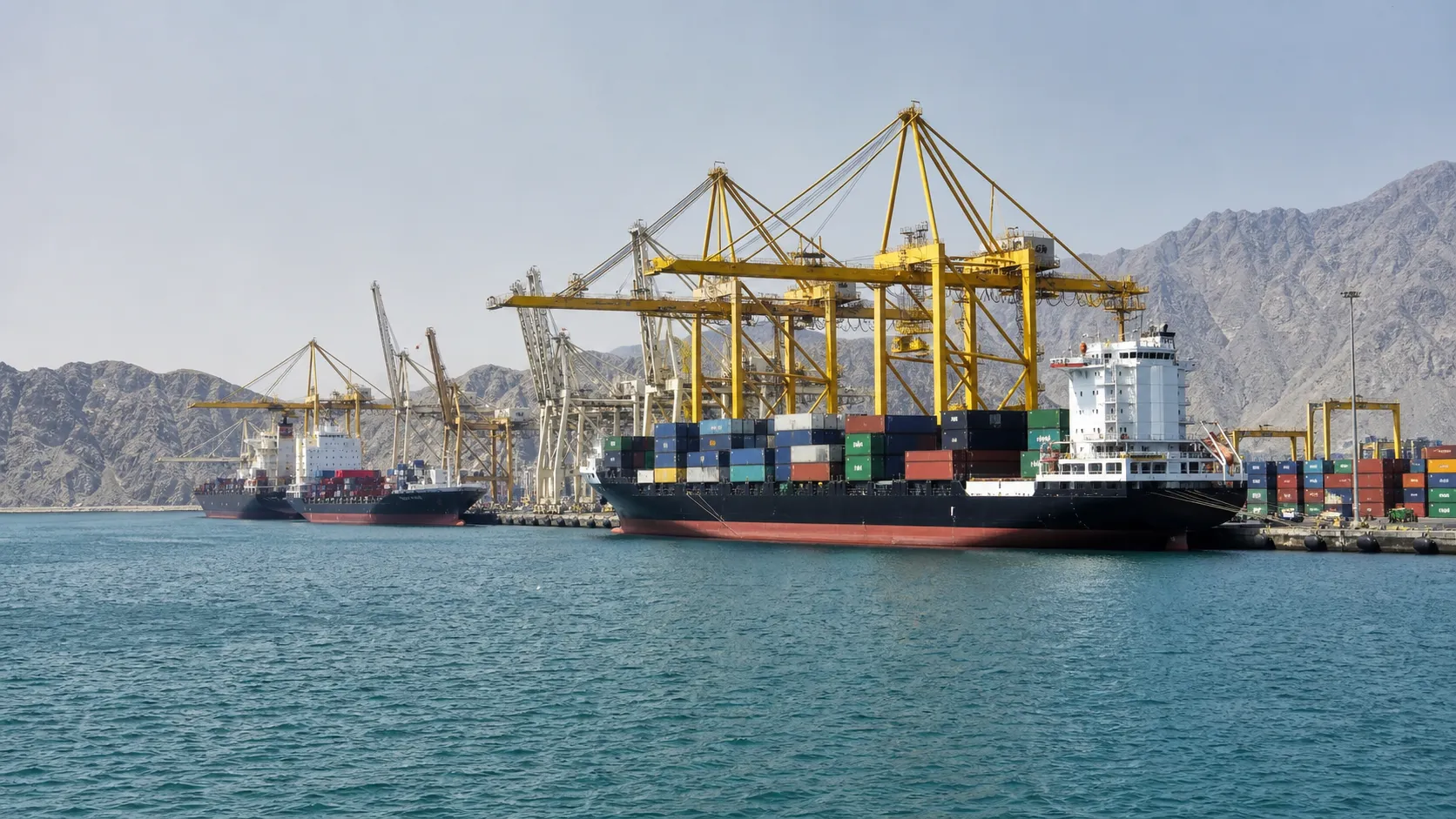
According to Al-Dhaheri, the Zero Hormuz strategy existed before the current war, but the crisis will intensify the Emirates' efforts to develop alternative trade routes and supply chains. This includes expanding port capacity, developing rail links and new economic corridors.
The diplomat named investments in the ports of Khor Fakkan and Fujairah, as well as the development of connections via Etihad Rail, among the priorities. At the same time, he stressed that the Strait of Hormuz will continue to be important for the UAE, other Persian Gulf states and the international system. The Emirates insist on freedom of navigation in accordance with international law and on restoring the strait's status to what it was before the war.
Corridors and security ties
UAE Minister of State for Foreign Trade Thani Al-Zeyoudi said at the same forum that the country has created regional logistics corridors linking the Persian Gulf with the Red Sea and the Gulf of Oman. According to him, the UAE is also working with Omani authorities to handle cargo destined for the Emirates through the ports of Sohar and Duqm.
More current news is available on the UA.News Telegram channel Telegram.
In addition, the UAE is building a new pipeline that is intended to provide additional opportunities for exporting Abu Dhabi oil through the Gulf of Oman. In June, Al-Zeyoudi had already stated the intention to reduce the country's dependence on the Strait of Hormuz to zero regardless of whether the waterway remains open. At the time, he spoke of developing eastern ports, pipelines, road and rail routes to oil and gas fields, and oil and gas infrastructure.
Al-Dhaheri also said that after the conflict, the UAE will diversify its security and defense partnerships and develop its own military and defense industry. At the same time, he called the United States a strategic partner of the Emirates and said that the UAE would strengthen relations with Washington.
According to the publication, the status of the Strait of Hormuz is one of the central obstacles in negotiations between Washington and Tehran, mediated by Qatar and Pakistan. Tehran claims that the strait belongs to Iran and Oman, while the Persian Gulf states generally do not share this position.




