
Ozone hole over Antarctica reached 27.4 million km² — Live Science
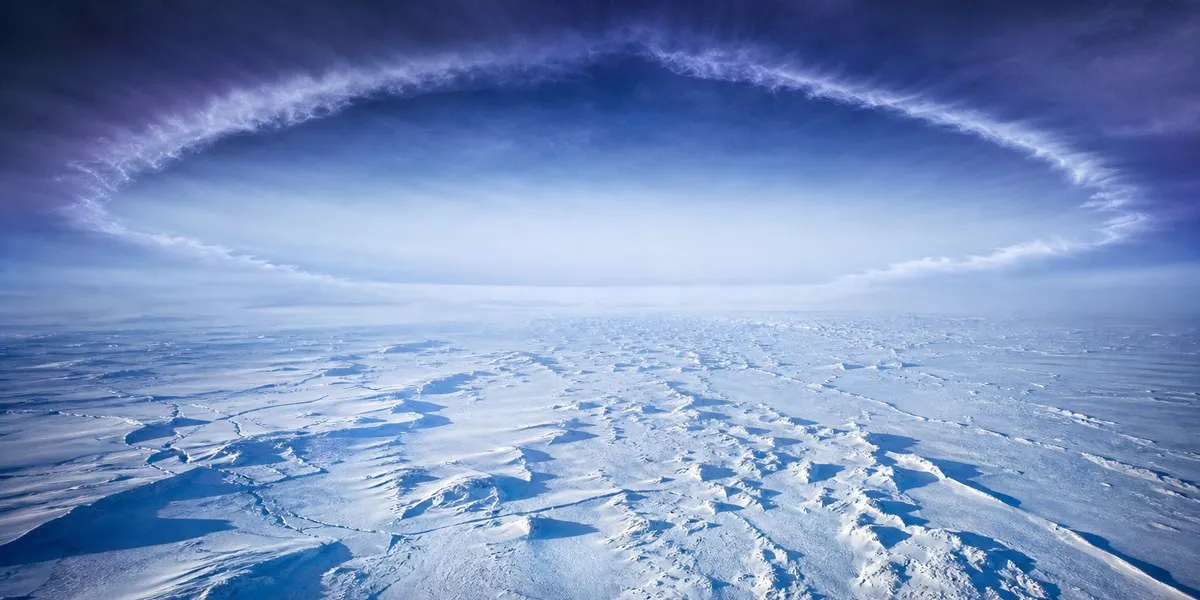
On September 20, 2026, the area of the ozone hole over Antarctica reached 27.4 million square kilometers. This is the second-largest figure recorded for this time of year: in October 2015, the hole reached 27.9 million square kilometers, Live Science reports, citing the Copernicus Atmosphere Monitoring Service.
After its peak, its area decreased to approximately 24 million square kilometers. Scientists believe that the 2015 record is unlikely to be surpassed this season, but the ozone hole may remain large and vary in size in the coming weeks.
Impact of the polar vortex
Specialists link the hole's significant area to exceptionally low temperatures in the stratosphere above Antarctica. In 2026, a strong polar vortex formed there — a system of winds that surrounds Antarctica and the Southern Ocean in winter and keeps cold air over the continent.
More current news is available on the UA.News Telegram channel Telegram.
Colder-than-usual conditions in the stratosphere accelerate ozone destruction. At temperatures below minus 78 degrees Celsius, high-altitude clouds form, on whose icy surfaces inactive chlorine, in the presence of sunlight, converts into a form that destroys ozone.
Recovery continues
Scientists have not detected an increase in the amount of reactive chlorine. Massachusetts Institute of Technology professor Susan Solomon noted that year-to-year fluctuations in the size of the ozone hole are natural variability in atmospheric dynamics, while long-term indicators still point to the gradual recovery of the ozone layer.
The hole's area is defined as the territory where ozone levels are below 220 Dobson units. Although its area is large this year, ozone concentration has not fallen as low as in previous years with large holes. University of Otago researcher Hannah Kessenich did not rule out that large ozone holes may persist longer until the end of the Antarctic spring. Further research is needed to determine the reasons for such changes.




