
Hadash-Ta'al and Ra'am sign surplus-vote agreement in Israel
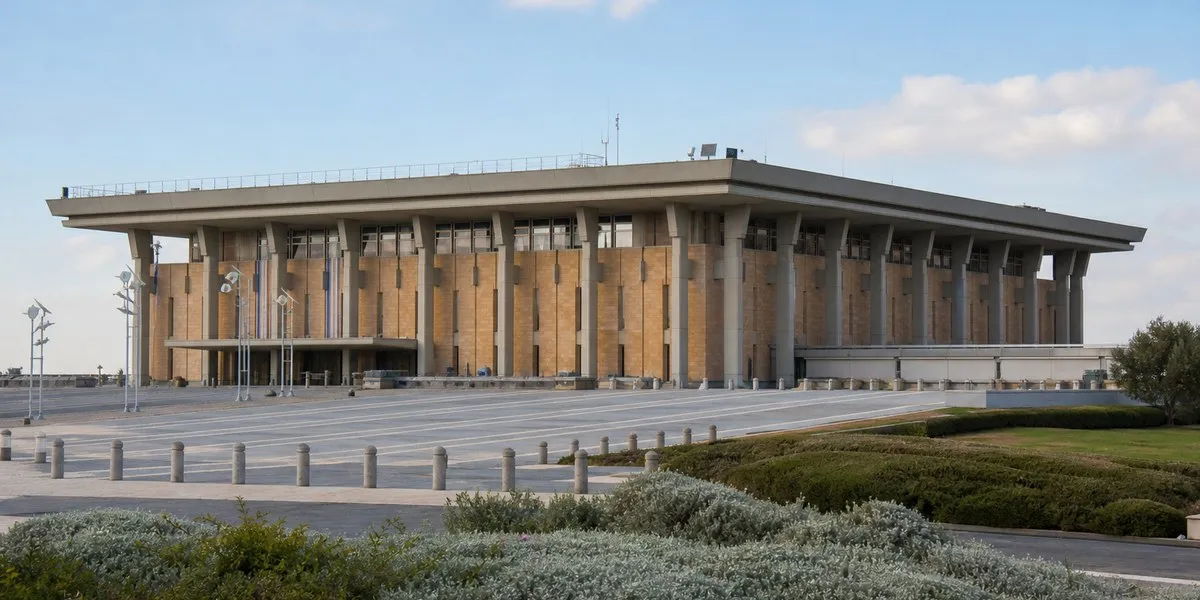
Arab political forces Hadash-Ta'al and Ra'am in Israel on Friday signed a surplus-vote agreement ahead of the elections to the 26th Knesset. The arrangement is intended to strengthen their positions in the allocation of additional mandates and reduce the risk of voters' ballots being lost, The Jerusalem Post reports.
Allocation of additional mandates
In a joint statement, the parties said the agreement is intended to maximize the influence of Arab voters on the distribution of parliamentary seats. Hadash-Ta'al and Ra'am described themselves as two central political forces of the Arab public and said the cooperation would help prevent votes from being wasted.
Representatives of the lists also pledged to conduct a fair election campaign without slander, incitement, or falsification. They called on activists and supporters to maintain a respectful tone despite political differences. After the lists receive approval, the agreement is planned to be submitted to the Central Elections Committee.
More current news is available on the UA.News Telegram channel Telegram.
Parties' positions in the poll
In the previous election, Ra'am, Hadash-Ta'al, and Balad ran separately and did not conclude a surplus-vote agreement. Hadash-Ta'al and Balad have now joined forces again in the Joint List, while Ra'am, led by Mansour Abbas, is contesting the election independently.
According to a Maariv poll published on Friday, the Joint List could win seven mandates and Ra'am five, for a total of 12 seats. A surplus-vote agreement allows two parties that have passed the electoral threshold to jointly participate in the allocation of seats remaining after the initial distribution. It does not guarantee that every vote will be preserved, but increases the chances of one of the parties receiving an additional seat under the Bader-Ofer method.


