
Reefs in Sanur, Bali, continue to degrade despite restoration — Mongabay
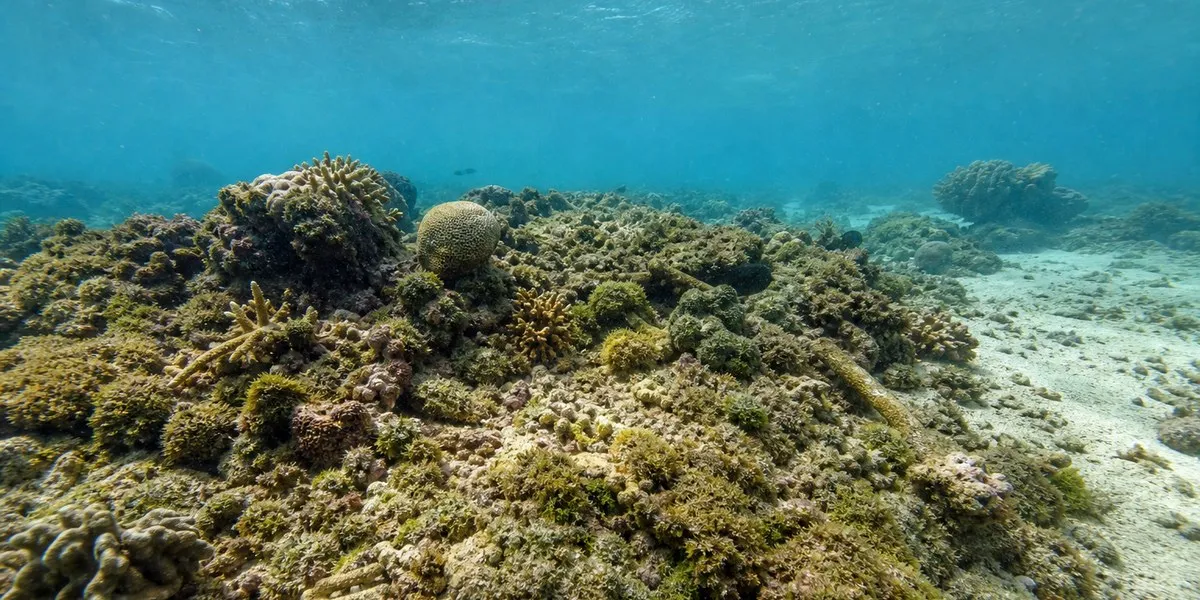
Coral reefs near Sanur on the Indonesian island of Bali continue to degrade despite the planting of coral fragments and the creation of artificial reefs. A study published in the journal Ocean & Coastal Management classified the local reefs as moderately to severely degraded, Mongabay reports.
The authors analyzed data on reef conditions and interviewed 18 stakeholders who influence the use and management of Sanur’s reefs. They included government agencies, local authorities, civil society organizations, scientists, fishers and representatives of the tourism business.
Restoration without addressing the causes
Scientists found that reef restoration programs are often implemented without first addressing the key causes of their decline. These include sediment runoff and wastewater discharge into coastal waters.
The researchers also pointed to uncoordinated management: the mandates of different institutions overlap, decisions are made slowly, and resources may be spent duplicatively. In their view, this leads to “decision-making paralysis” and delays the implementation of possible measures.
More current news is available on the UA.News Telegram channel Telegram.
Once extensive branching coral reefs in the Sanur area have largely turned into fields of rubble covered with algae. Snorkeling sites near the shore are in worse condition than less visited areas farther from the coast.
Tourism as a threat and a resource
Interviewed participants linked tourism to coral damage by swimmers, the mooring of tourist boats on reefs, and wastewater discharges by tourism facilities. A previous study in Bali recorded a 38% reduction in coral cover at tourism centers between 2010 and 2023.
At the same time, Sanur’s economy depends on tourism industry revenue. Most respondents believe it can help promote, implement and finance reef protection measures, provided there is effective management and part of the revenue is directed toward conservation needs.
The study’s authors recommend combining coral restoration and beach cleanups with improved wastewater treatment, marine spatial planning, stricter rules for boats and anchors, and clear codes of conduct. Reef scientist Zac Boks, interviewed by Mongabay, warned that restoration does not replace addressing the causes of reef decline, including poor water quality, untreated wastewater, coastal development and climate change.




