
Russia has reinstated the banned Euro-2 gasoline due to the threat of a fuel shortage
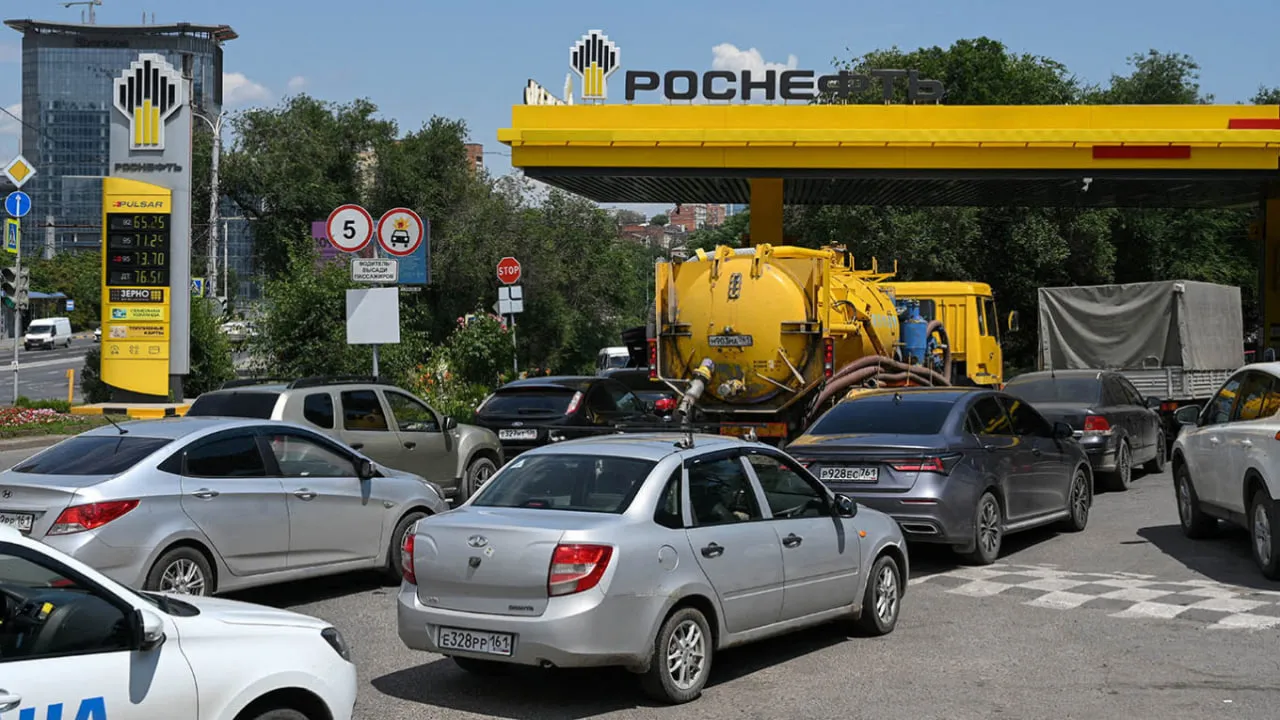
Russia has authorized the production, import, and sale of gasoline in the K2, K3, and K4 environmental classes, including Euro-2 standard fuel, which had been banned in the country as far back as 2013. Authorities explain the decision as necessary to avoid a potential fuel shortage.
The Russian Ministry of Energy stated that the relaxation of requirements will remain in effect until July 1, 2027, and is temporary in nature. The ministry called this an “anti-crisis measure” that is supposed to ensure a stable supply to the domestic market.
Euro-2 gasoline is significantly inferior in quality to modern fuel: it contains tens of times more sulfur than the Euro-5 standard and also permits the use of certain harmful additives.
Experts note that such fuel can negatively affect modern car engines, specifically damaging the fuel system, spark plugs, valves, and catalytic converters.
Before Putin’s visit to Krasnoyarsk, gasoline prices fell, and then fuel prices rose.
On the night of August 1, drones attacked several temporarily occupied cities in Ukraine. According to reports from monitoring Telegram channels, fires broke out in Zugres, Berdyansk, Luhansk, Dolzhansk, and Sevastopol following the strikes.
As a reminder, the Russian online marketplace Ozon evacuated employees from its logistics center in Zelenodolsk (Tatarstan) due to the threat of attacks by Ukrainian drones. After the alert ended, the warehouse resumed normal operations.
On the morning of July 31, drones attacked a warehouse complex in Zelenodolsk (Tatarstan, Russian Federation), where the logistics facilities of the Ozon and Wildberries marketplaces are located. Following this, a number of Ukrainian sources reported that strikes on Ozon warehouses might continue.




