
Saudi Star left most concession land uncultivated in Ethiopia — media
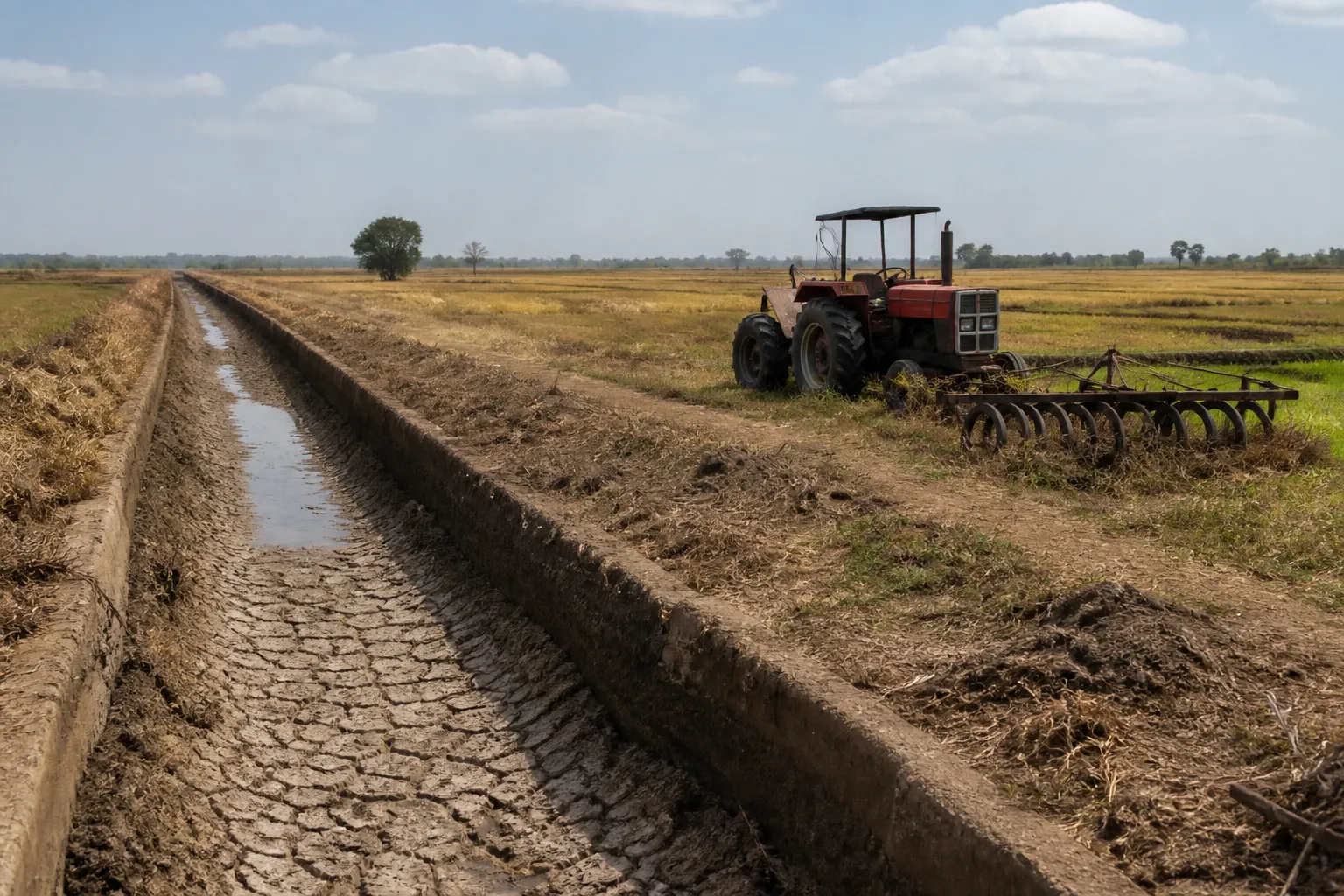
Saudi Star Agricultural Development Plc left most of the land in its agricultural concession in Ethiopia’s Gambela and Benishangul-Gumuz regions uncultivated, according to an investigation by Premium Times Nigeria. According to the outlet, the company received 14,020 hectares of land and planned to attract between $2.5 billion and $3 billion in foreign investment for rice production.
The project, backed by Saudi-Ethiopian billionaire Sheikh Mohammed Al-Amoudi, envisaged modern agricultural production, thousands of jobs and annual output of 1 million tonnes of export-quality rice. However, after more than 15 years of implementation, a significant portion of the fields remains uncultivated, according to the investigation’s findings. Part of the infrastructure is unused: equipment is rusting outdoors, while canals have dried up or been abandoned.
Irrigation and harvest problems
Saudi Star’s strategy involved expanding the Soviet-era canal network and diverting 22 cubic metres of water per second from the Abobo reservoir dam along the Alwero River. The company cleared part of the territory and built approximately 35 kilometres of secondary irrigation canals. Local agricultural experts interviewed by the outlet said engineering shortcomings and irregular maintenance made the system ineffective during critical crop-growing periods.
Management of MIDROC Investment Group, which owns Saudi Star, acknowledged mistakes in the initial environmental and feasibility studies. In its assessment, production models did not take into account the local environmental conditions of the Gambela basin. Moisture shortages during the grain-filling stage, irregular rainfall that complicated mechanised harvesting, and flocks of migratory birds negatively affected rice yields.
More current news is available on the UA.News Telegram channel Telegram.
Complaints from communities and workers
Representatives of the indigenous Anuak and Nuer farming communities told the outlet that they had been relocated from ancestral lands for the concession’s implementation. According to them, promised roads, schools and other benefits for local residents were not delivered, while forest clearing and canal construction affected pastures and water resources.
Premium Times Nigeria also reports that internal records reviewed by the outlet indicate an occupational injury rate of 36.7% among field workers. According to these records, 83.75% of monitored workers worked without personal protective equipment. More than 92% of local staff were temporary daily workers and earned less than 1,600 Ethiopian birr, or $9.8, per month.
Gambela Regional State Investment Commission Commissioner Lu Opiew criticised the slow pace of the project’s implementation during the Invest in Ethiopia High-Level Business Reform summit. He said that the dam in the region has the potential to irrigate 10,000 hectares of land, which should not remain unused.




