
US schools and police warn of ‘Cat in the Hat’ trend after teen arrests
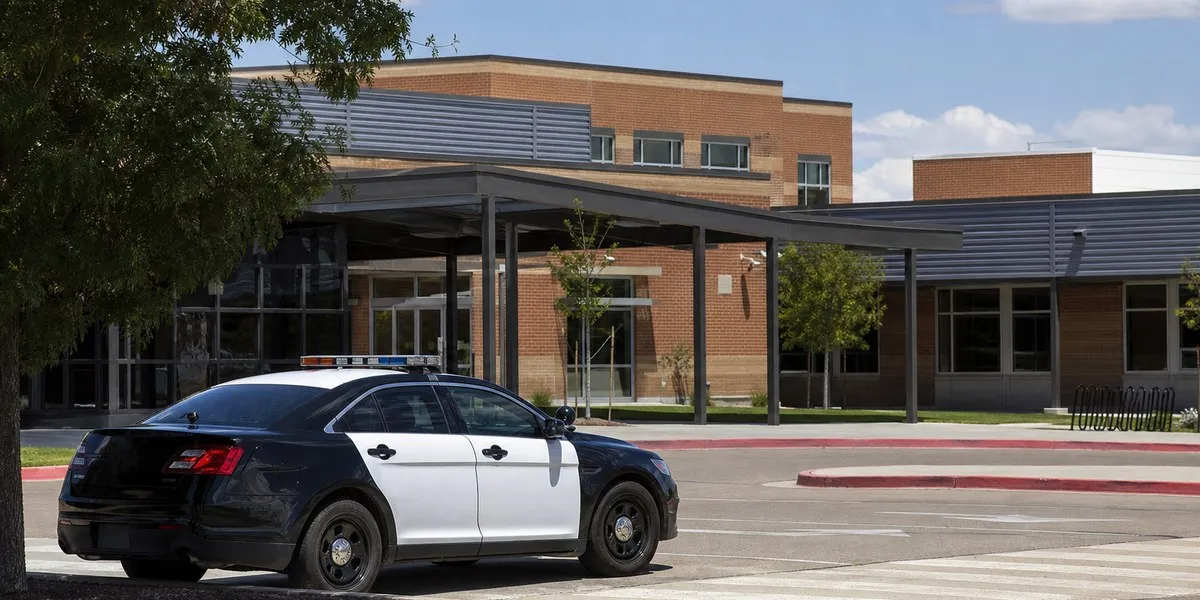
US schools and law enforcement are warning about the viral ‘Cat in the Hat’ social media trend, in which creepy or artificially generated versions of the character are used in threats against students, schools and communities. Several teenagers have been arrested or charged over posts linked to the trend, The Guardian World reports.
Origins of the trend
The trend originated on Snapchat. Users posted images or short videos featuring a creepy version of the character from Dr. Seuss’s books, often resembling the character played by Mike Myers in the 2003 film adaptation. In such videos, the character appeared near homes, schools or on streets at night.
Some of the material was likely created using artificial intelligence, while others featured real people in costumes. Some posts contained threats against specific cities or schools, while others named people or included lists of potential targets. The posts initially spread in Ireland and the United Kingdom in August 2026, before later going viral in certain areas of the United States and Canada.
More current news is available on the UA.News Telegram channel Telegram.
Arrests and warnings
Near Wichita, Kansas, a 15-year-old teenager was arrested after, police said, posting a social media video threatening students using the trend. Hutchinson police said a local high school student created a TikTok account for the community referring to the ‘Cat in the Hat’. He was charged with two counts of criminal threat.
In Worth County, Georgia, two high school students were also charged over their participation in an online prank linked to the trend. According to school officials, they also face disciplinary action.
In Grand Junction, Colorado, police increased their presence near West Middle School and Grand Junction High School after a post linked to the trend spread. A 14-year-old student was arrested in the case. Law enforcement officials urge schoolchildren to report safety concerns to adults, school administrators or police rather than sharing such material.




