
Singapore to expand access to support programs for people with autism
Starting in 2027, Singapore will expand the eligibility criteria for four government financial support programs for people with intellectual disabilities or autism who have significant care needs. Health Minister Ong Ye Kung announced this, Channel NewsAsia reports.
Criteria for support programs
The changes will affect the Home Caregiving Grant, the Migrant Domestic Worker Levy Concession for Persons with Disabilities, the Caregivers Training Grant, and the Pioneer Generation Disability Assistance Scheme.
Currently, eligibility for some types of assistance depends on whether a person can perform activities of daily living independently. For example, the Home Caregiving Grant provides monthly payments to offset caregiving expenses for people living in the community who need assistance with at least three such activities.
According to Ong, a small group of people with intellectual disabilities or autism can perform these activities independently but still have significant care needs that such an assessment does not reflect. The minister added that lowering the program threshold to requiring assistance with two daily activities would significantly expand the number of recipients and shift its focus away from people with higher levels of functional impairment.
More current news is available on the UA.News Telegram channel Telegram.
Support points and training
Also starting in 2027, eight caregiver support points will be established in the country. Five of them will be set up at organizations providing care services for older people in the areas of Tiong Bahru–Redhill, Toa Payoh, Bedok, Bukit Panjang, and Yishun. Another three will operate at Enabling Services Hubs in Tampines, Punggol, and Jurong.
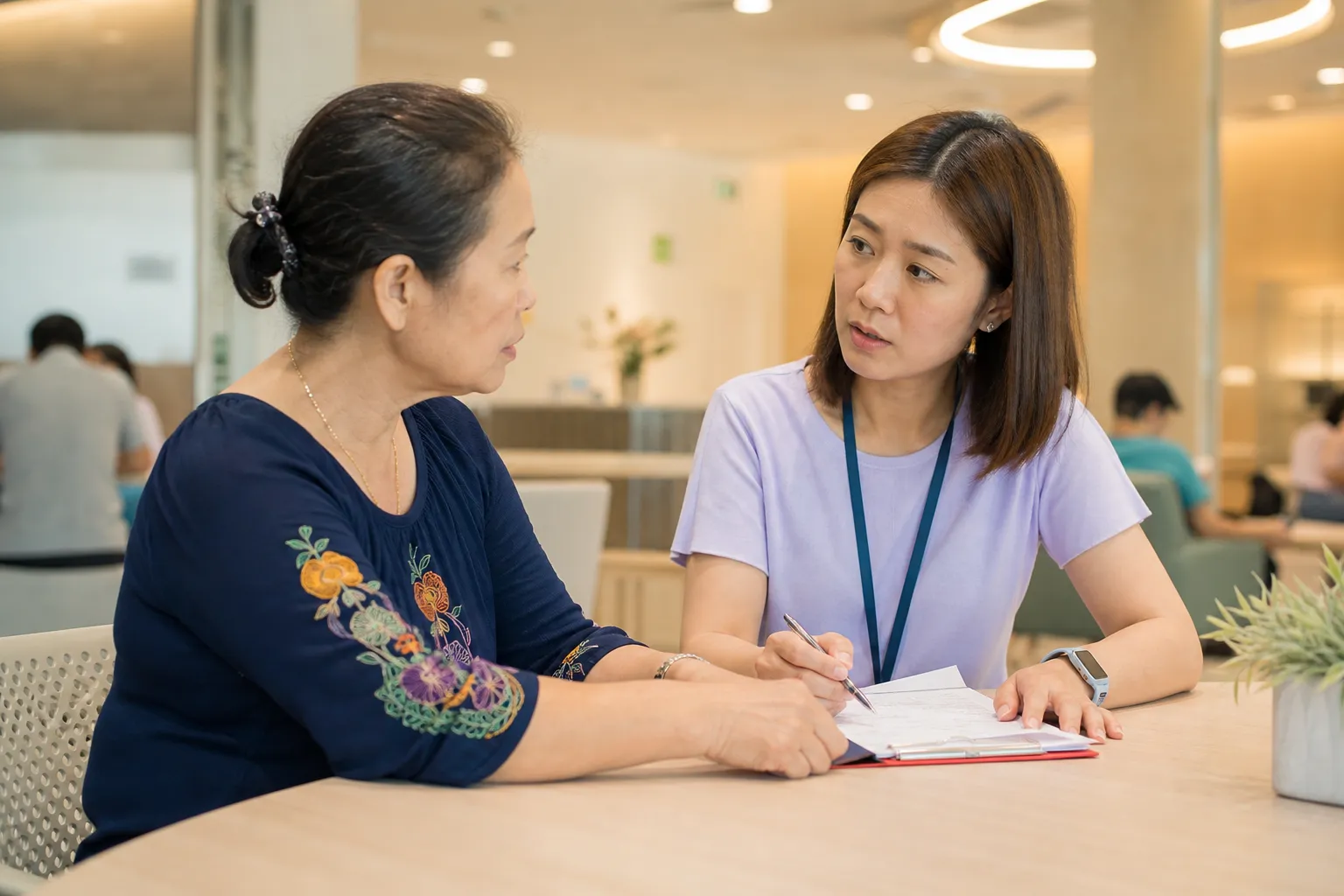
People caring for older persons, persons with disabilities, people with dementia, mental health issues, or serious illnesses will be able to seek assistance at these points. Staff will identify caregivers' needs, explain available types of support, and direct them and their relatives to relevant services. They will also help develop plans for situations in which a caregiver is unable to care for a loved one and, if necessary, refer them to respite care services or peer support groups.
At the beginning of 2027, the authorities plan to introduce a unified caregiver training system. Training information will be structured according to people's needs at different stages of caregiving, and programs are planned to be brought closer to communities, including through the new support points.


