
US prepares to revoke up to 200,000 visas from asylum applicants — Fortune
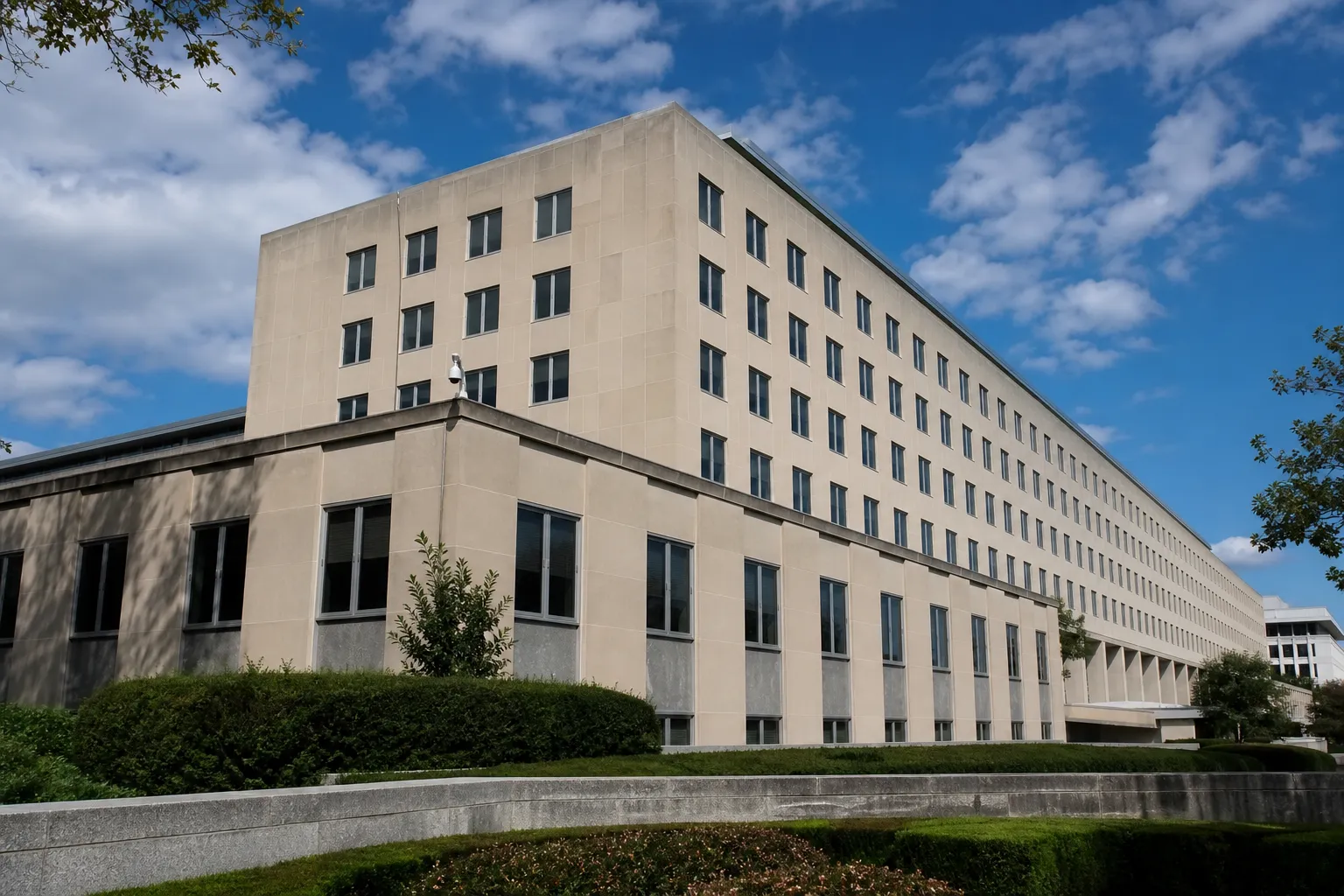
The administration of US President Donald Trump is preparing to revoke B1 and B2 business and tourist visas for up to 200,000 foreigners who previously filed or are currently filing asylum applications in the United States. As Fortune reports, if implemented, this move could become the largest one-time mass visa revocation in US history.
Which visas may be revoked
According to State Department documents obtained by the Associated Press and two US officials, the department may announce the visa revocations in the coming weeks if the plan is not challenged or revised. The measure concerns B1 and B2 visas issued between 2016 and 2026 whose holders have applied or are applying for asylum.
The measures are being prepared in coordination with the US Department of Homeland Security. State Department spokesperson Tommy Pigott said the department, together with that agency, is identifying foreigners who arrived in the United States as short-term visitors and then filed asylum applications in order to remain in the country.
Pigott did not specify the expected number of revoked visas. According to him, the process will continue, while the number of such decisions will change and be determined in stages.
More current news is available on the UA.News Telegram channel Telegram.
Status of asylum applicants
Visa revocation will not necessarily mean immediate deportation. According to officials, most people whose asylum cases are still pending will be transferred to another category, but they will lose their status as business or tourist travelers.
A B1 visa is generally intended for business trips, while a B2 visa is for tourism, visiting relatives, or receiving medical care. Current applicants for such visas are asked to confirm that they will not seek asylum in the United States and to prove their intention to return to their home country.
Over the past 18 months, the State Department has revoked about 175,000 visas from people convicted of or charged with crimes, as well as from individuals who publicly spoke out against US policy, including on the Middle East. Documents reviewed by the Associated Press indicate that the screening of B1 and B2 visa holders began after the State Department received data on asylum applications from US Citizenship and Immigration Services.


