
Court blocks New York’s $75 billion climate law — OilPrice
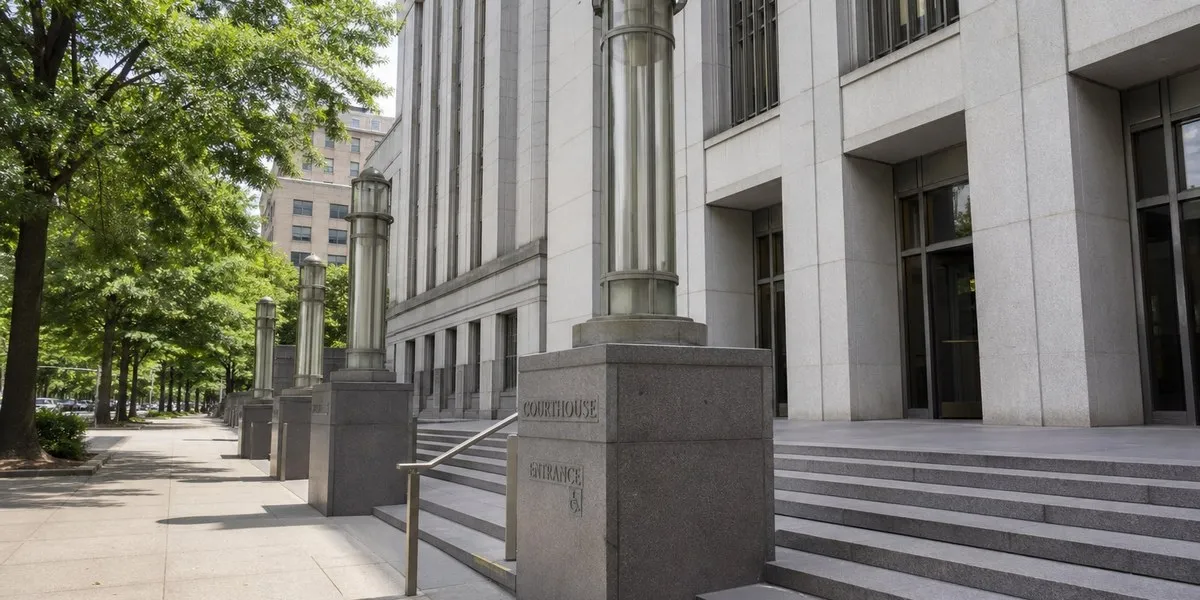
A federal court in New York State, United States, ruled that the state cannot enforce its climate “superfund” law, which provided for collecting up to $75 billion in total from major fossil fuel producers and processors. OilPrice reports.
Court ruling
On August 31, 2026, Brenda Sannes, Chief Judge of the U.S. District Court for the Northern District of New York, ruled that the law is preempted by federal legislation, including the Clean Air Act, and therefore cannot be enforced. In the 63-page ruling, the judge described the law as “unusual and comprehensive” and cited the 2021 decision of the U.S. Court of Appeals for the Second Circuit in City of New York v. Chevron.
On September 14, New York State and the parties challenging the law jointly asked the court to issue a final judgment. This procedural step is intended to open the possibility of an immediate appeal to the Second Circuit Court of Appeals.
What the law provided for
New York Governor Kathy Hochul signed the law in December 2024. It provided that companies responsible for the majority of cumulative carbon emissions in 2000–2024 would pay approximately $3 billion annually for 25 years.
More current news is available on the UA.News Telegram channel Telegram.
The funds were planned to be directed toward protecting and restoring coastal wetlands, modernizing roads and bridges, improving stormwater drainage systems, retrofitting buildings, and recovery from natural disasters. Ken Lovett, the governor’s communications adviser for energy and environmental issues, said taxpayers should not have to pay for damage caused by polluters on their own.
Reactions and other lawsuits
State Senator Liz Krueger, one of the law’s sponsors, called the ruling regrettable and said the judge had failed to take into account the difference between New York City’s lawsuit and the state legislature’s authority to raise revenue and protect residents. Meanwhile, West Virginia Attorney General J. B. McCuskey, whose office led the challenge, called the ruling a major victory.
The U.S. Department of Justice has also filed a separate lawsuit against New York’s law in the Southern District of New York; the case is still under consideration. Only Vermont has adopted a similar law, where it has also become the subject of a legal challenge.




