
Shipping through Bab el-Mandeb halves amid Houthi seizure of Perim
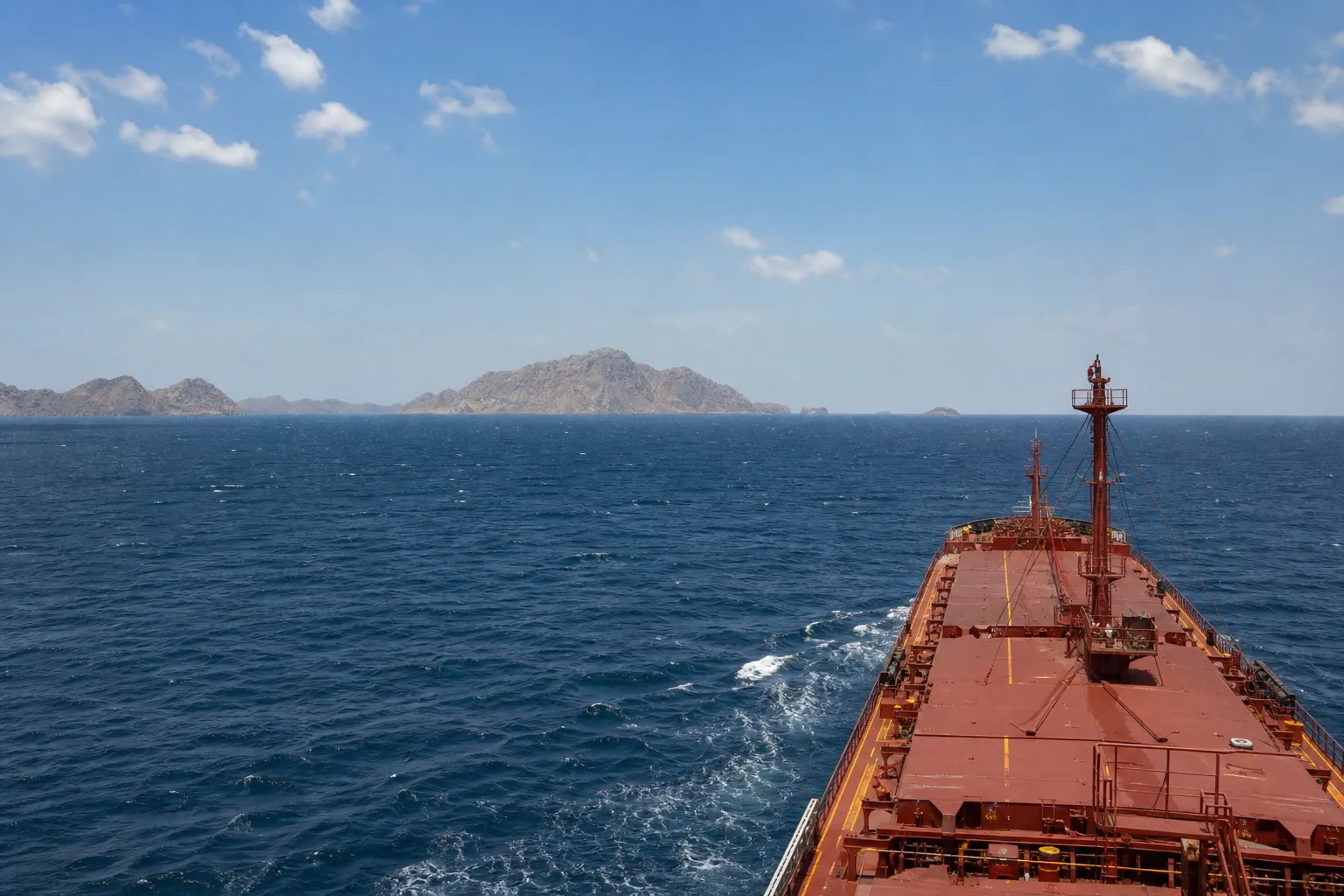
In the Bab el-Mandeb Strait near Yemen, the number of vessel transits halved on Friday, falling to 15 from 30 the previous day. This came amid the Houthi seizure of Perim Island, as well as the port city of Mocha and Dubab on the coast, The National reports.
Vessel transit data
According to preliminary Kpler data, of the 15 vessels that passed through the strait on Friday, six exited the Red Sea and nine entered it. They were carrying crude oil, grain and steel; three vessels were in ballast.
Perim, also known as Mayyun, is located in the central part of the strait. Control of the island makes it possible to monitor the movement of vessels entering or leaving the Red Sea, as well as those heading to the Suez Canal between Asia, the Gulf countries and Europe.
More current news is available on the UA.News Telegram channel Telegram.
Pressure on oil export routes
Arsenio Longo, founder of tanker traffic analytics company Huax, said that Mocha improves the Houthis' position on the approaches to the strait, but Dubab and Perim are more significant for shipping. According to him, the advance south brings the group closer to vessels entering or leaving Bab el-Mandeb and provides more opportunities to exert pressure on maritime transport.
The Houthis previously announced a “maritime embargo” on Saudi Arabia-linked vessels passing through Bab el-Mandeb. The publication writes that attacks on vessels forced Saudi Arabia to redirect oil cargoes toward the Suez Canal and use the longer route around Africa for exports to Asian markets.
Oil prices approached $110 per barrel during the week. Brent stood at $104.6 per barrel at the end of the week, while WTI traded at $100. At the same time, an estimated 10 million barrels of oil per day are now transported through the Strait of Hormuz, compared with more than 20 million barrels before the war began in February.


