
Holiday on July 10, 2026: Japan celebrates Natto Day
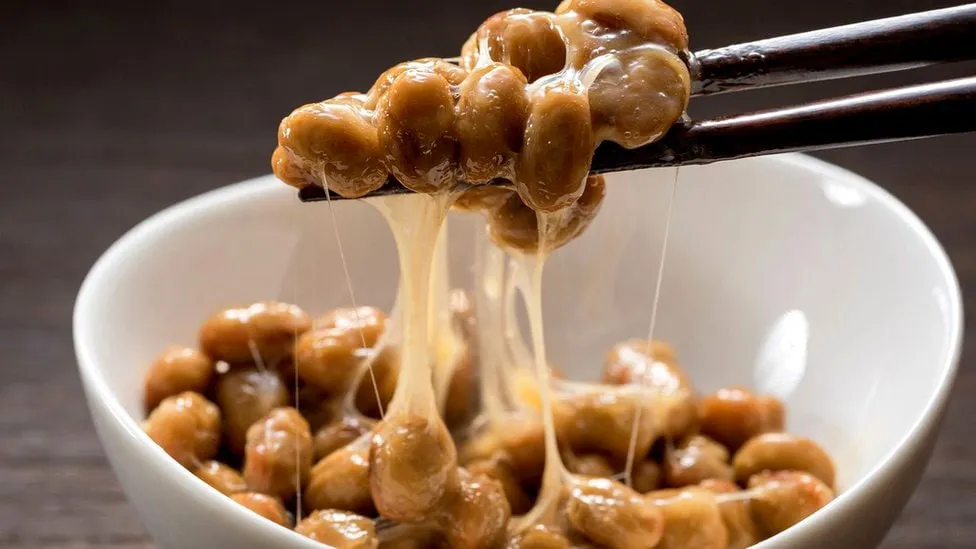
July 10 is Natto Day in Japan—an unusual culinary holiday dedicated to one of the country’s most famous traditional dishes. Natto is fermented soybeans, renowned for their health benefits and an integral part of Japanese cuisine.
The date of the holiday was not chosen at random. In Japanese, the numbers 7 and 10 can be read as “na” and “tō,” which together form the word natto.
What Is Natto
Natto is made from soybeans that are boiled and then fermented using the bacterium Bacillus subtilis. As a result, the dish acquires a characteristic stringy texture, a distinctive aroma, and a rich flavor.
Most often, Japanese people eat natto for breakfast along with hot rice, green onions, soy sauce, or mustard. For many residents of the country, this dish is a regular part of their daily diet.
How Natto Day Is Celebrated
On Natto Day in Japan, tastings, themed festivals, and culinary events are held to introduce visitors to the traditions of preparing fermented soybeans. Manufacturers also organize promotions, and restaurants offer special natto dishes.
The holiday aims to promote healthy eating and preserve Japan’s culinary traditions.
Interesting Facts About Natto
- Natto is considered one of the healthiest foods in Japanese cuisine due to its high content of protein, vitamins, and probiotics.
- Because of its strong smell and sticky texture, this dish often surprises foreigners, although the Japanese consider it a true delicacy.
- Natto has a history dating back over a thousand years, and its origins are linked to the accidental fermentation of boiled soybeans.
- Natto contains the enzyme nattokinase, which, according to research, may have a positive effect on cardiovascular health.
- Natto is consumed most widely in the eastern regions of Japan, where this dish is particularly popular.

Significance of the Holiday
Natto Day is not only a culinary celebration but also a reminder of the importance of healthy eating and respect for national traditions. Every year on July 10, the Japanese celebrate one of the most famous foods in their cuisine, which has remained a symbol of longevity, health, and the country’s cultural heritage for many centuries.


