
Bolivia prepares new mining code amid community criticism — Mongabay
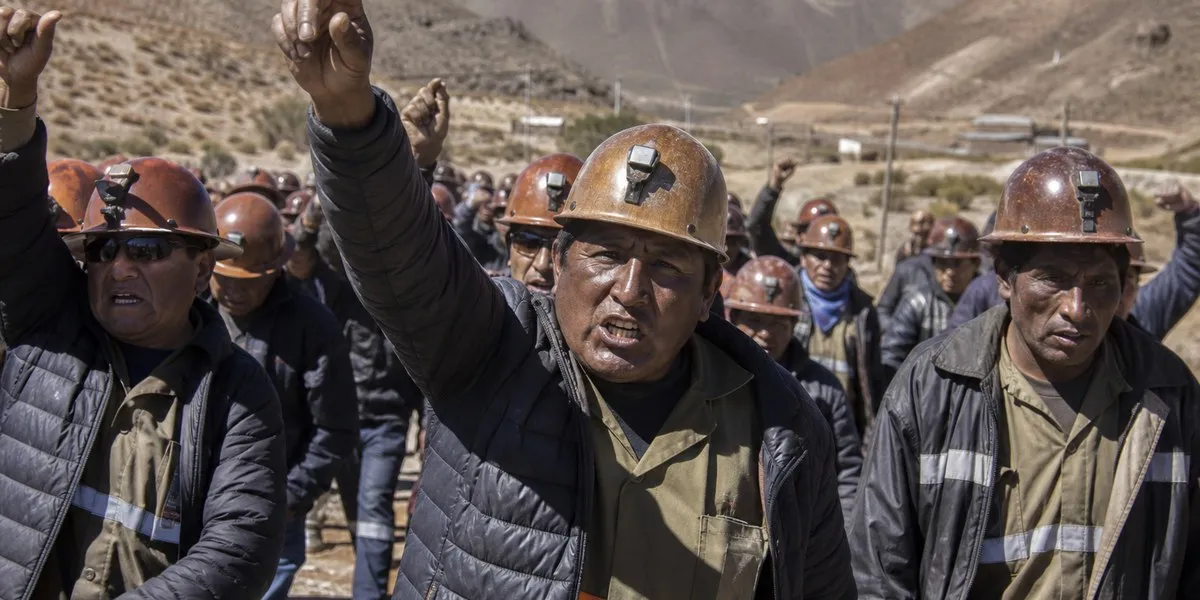
Bolivia has begun revising one of its key laws in the mining sector. Authorities say the new mining code is intended to modernize the industry, strengthen oversight and promote economic development, but civil society and Indigenous organizations have raised concerns about the process of drafting the document, Mongabay reports.
Work on the draft bill
Minister of Mining and Metallurgy Marco Antonio Calderón de la Barca Quintanilla said the code must meet the sector’s current needs, provide legal certainty and establish clear rules for the development of Bolivia’s mining industry.
According to the ministry, it holds weekly meetings with key representatives of the mining industry to discuss their proposals and comments. This month, the ideas were submitted to a technical committee to prepare a preliminary draft bill, which is later to be presented to the national legislative body. The government has not yet announced a deadline for completing the document.
The current code was adopted in 2014. It defines mechanisms for the development of the mining industry, environmental oversight, and the participation of local and Indigenous communities. The ministry said the updates will concern strengthening mining rights, attracting investment, formalizing extractive activities, increasing transparency and responsible environmental management.
More current news is available on the UA.News Telegram channel Telegram.
Concerns of communities and Indigenous peoples
The details of possible changes have not yet been agreed upon or made public. According to local media, proposals under discussion include new tax and royalty mechanisms, the removal of the 30-year limit on mining contracts with the possibility of making them indefinite, as well as the reorganization of the ministry and other relevant institutions.
Protection for people reporting illegal mining and the removal of prior consultations with local and Indigenous communities as a condition for access to mining contracts are also being discussed. For years, local and Indigenous communities have opposed extractive projects backed by foreign entities which, they say, overuse freshwater and do not provide sufficient royalties for local residents. They have also condemned illegal mining, mercury pollution and deforestation that may be linked to such activities.
At an early stage of the code’s revision, civil society organizations and Indigenous representatives said the government had excluded them from the process. They expressed concern that this could weaken necessary environmental changes and that the authorities’ priority is to increase the profitability of the mining sector rather than ensure proper regulation. Ruth Alipaz, a representative of the National Coordination for the Defense of Indigenous and Peasant Territories and Protected Areas, said the reform’s environmental focus is merely declarative if discussions are held only with mining sector representatives.
The government said it included the Unified Confederation of Rural Workers of Bolivia in the technical committee. Its members also include representatives of the authorities, mining cooperatives and private companies.


