
The period of flexible application of EES checks has ended in the EU
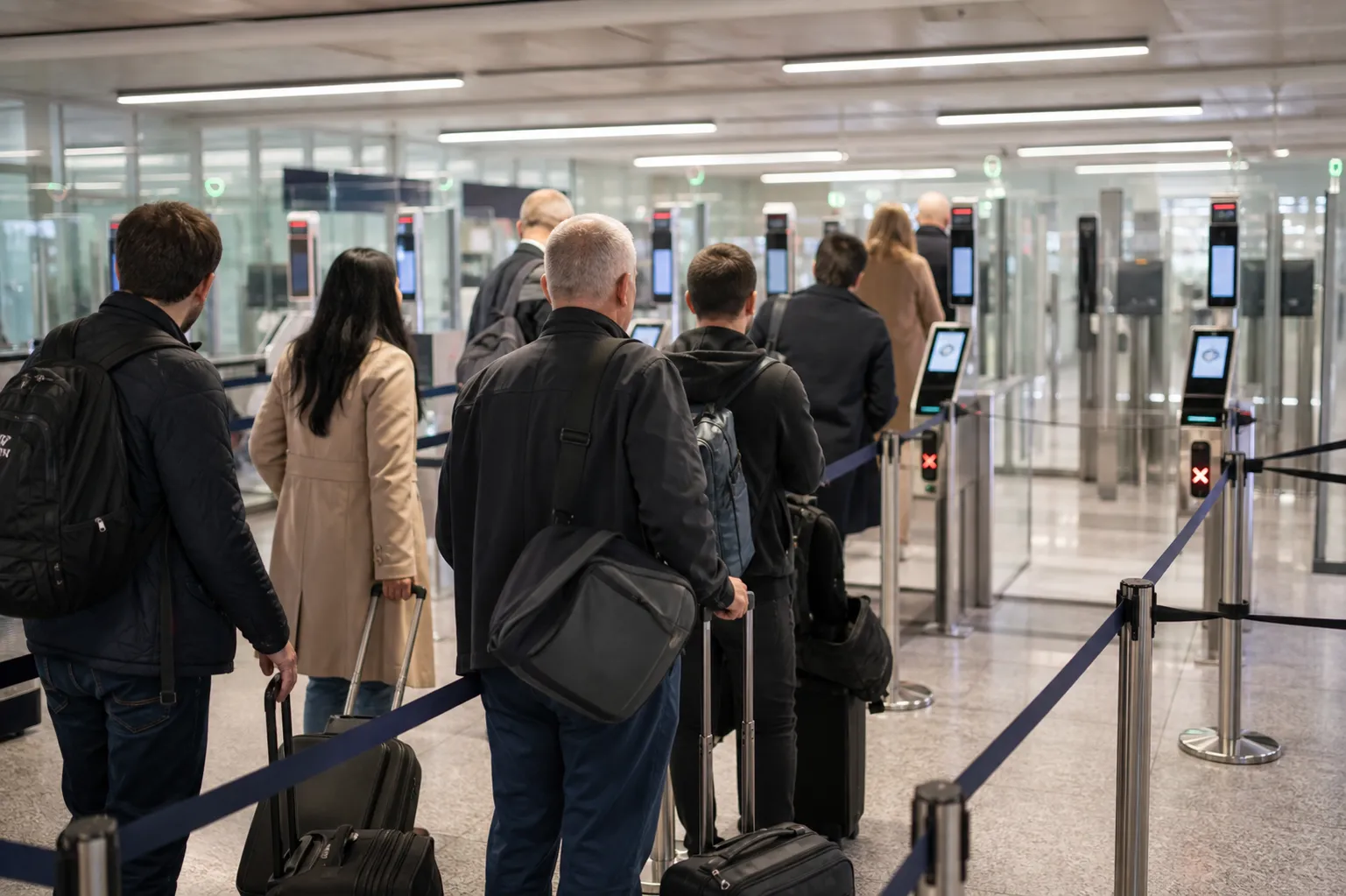
Travellers to the EU may once again face queues at borders after the period of flexible application of the Entry/Exit System (EES) ended on September 6. At the same time, according to The Guardian, some member states may not implement biometric checks in full.
Airlines ask for exemptions to be extended
Last week, airlines called on the European Commission to retain until the end of 2026 the option to temporarily suspend EES checks when necessary. Representatives of the aviation and tourism industries believe that the easing of requirements for collecting biometric data, including fingerprints from citizens of non-EU countries, helped avoid major delays during the peak season.
At the beginning of summer, long queues at some European airports caused passengers to miss flights. The International Air Transport Association (IATA) said that EES-related delays also caused passengers to miss connecting flights.
The European Commission did not extend the official flexibility period. At the same time, its spokesperson said that the Commission is in contact with several member states that need to make adjustments at certain border crossing points and is ready to provide them with additional support.
More current news is available on the UA.News Telegram channel Telegram.
Problems with the rollout in France
Passengers travelling through the English Channel to France are unlikely to notice changes next week due to technical problems with EES software commissioned by the French authorities. Fingerprint kiosks purchased by Eurotunnel, the Port of Dover and Eurostar at London’s St Pancras station are still not working.
The Port of Dover said it does not expect changes next week, and car drivers are not yet undergoing EES checks. Eurotunnel said it is awaiting confirmation from the French authorities on the timing of the next stage and is ready to introduce full biometric checks after official authorization. Eurostar said that the phased rollout of the system is continuing and that EES registration will continue to be carried out manually by border guards.
According to a source in the aviation industry, the busiest European airports are not expected to fully apply the requirements. In particular, Greek border guards, the source said, had unofficially exempted passengers from the United Kingdom from EES checks in order to avoid queues.


