
Dispute over school protests intensifies in France — France 24
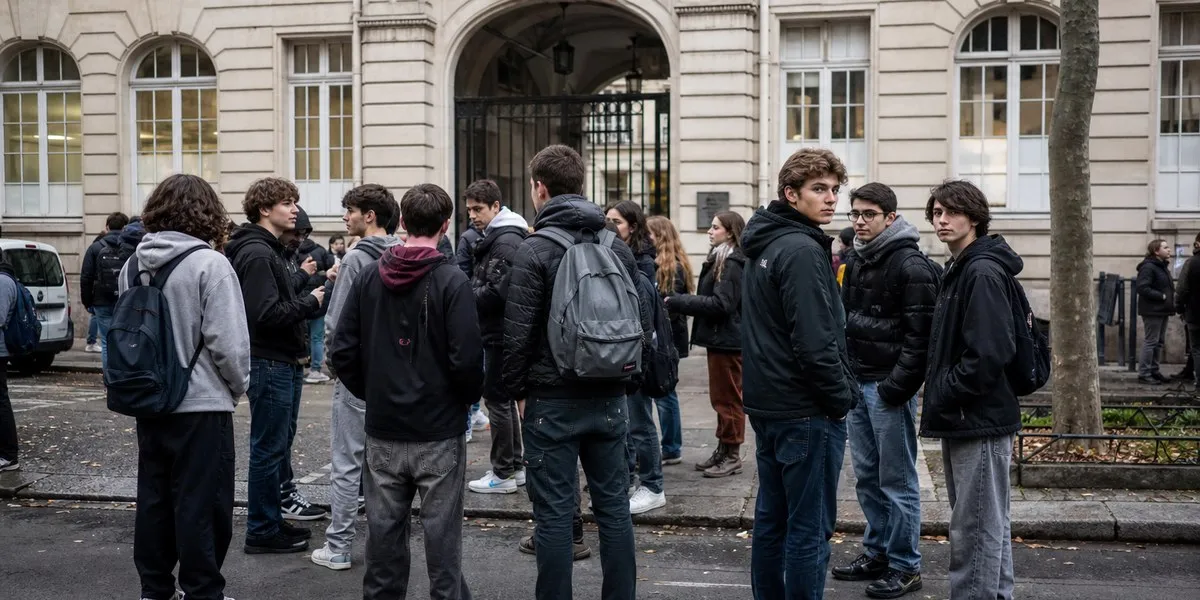
In France, Prime Minister Sébastien Lecornu clashed with Jean-Luc Mélenchon, leader of the far-left party France Unbowed, over protests by high school students. Students are blocking classes and calling for the movement to spread across the country, demanding more resources for education, France 24 reports.
Students’ demands and detentions
Protest participants complain about deteriorating school conditions, teacher shortages and a heavy academic workload. The actions began last week at schools in the Paris region, where detentions took place, and later spread to other regions of the country.
In the Alpes-Maritimes department in southern France, police detained ten high school students on September 28. According to regional authorities, they are suspected of arson, throwing objects and other violent acts that injured two students.
Exchange of accusations
Lecornu said that representatives of France Unbowed were allegedly encouraging scattered protests. Mélenchon defended the students and accused the government of suppressing student actions with brutality and racist undertones. He also called on his party’s supporters to join the protest movement wherever possible.
More current news is available on the UA.News Telegram channel Telegram.
The prime minister called the accusations of racism an insult and stressed that students have the right to safety, educational institution staff have the right to protection, and police officers deserve respect while performing their duties. He called on Mélenchon to condemn the violence.
Election context
The dispute is unfolding ahead of France’s presidential election. The first round is scheduled for April 18 and the second for May 2. Mélenchon, who came third in the 2022 election, hopes to reach the second round; support from young voters could be important for his campaign. President Emmanuel Macron cannot run for a third consecutive term.
Meanwhile, Lecornu is seeking public and political support to pass the 2027 budget in a divided parliament. Some government opponents disagree with spending cuts amid high household costs for energy and other needs.




