
In Johannesburg, unpaid bills rose to nearly R72 billion — Daily Maverick
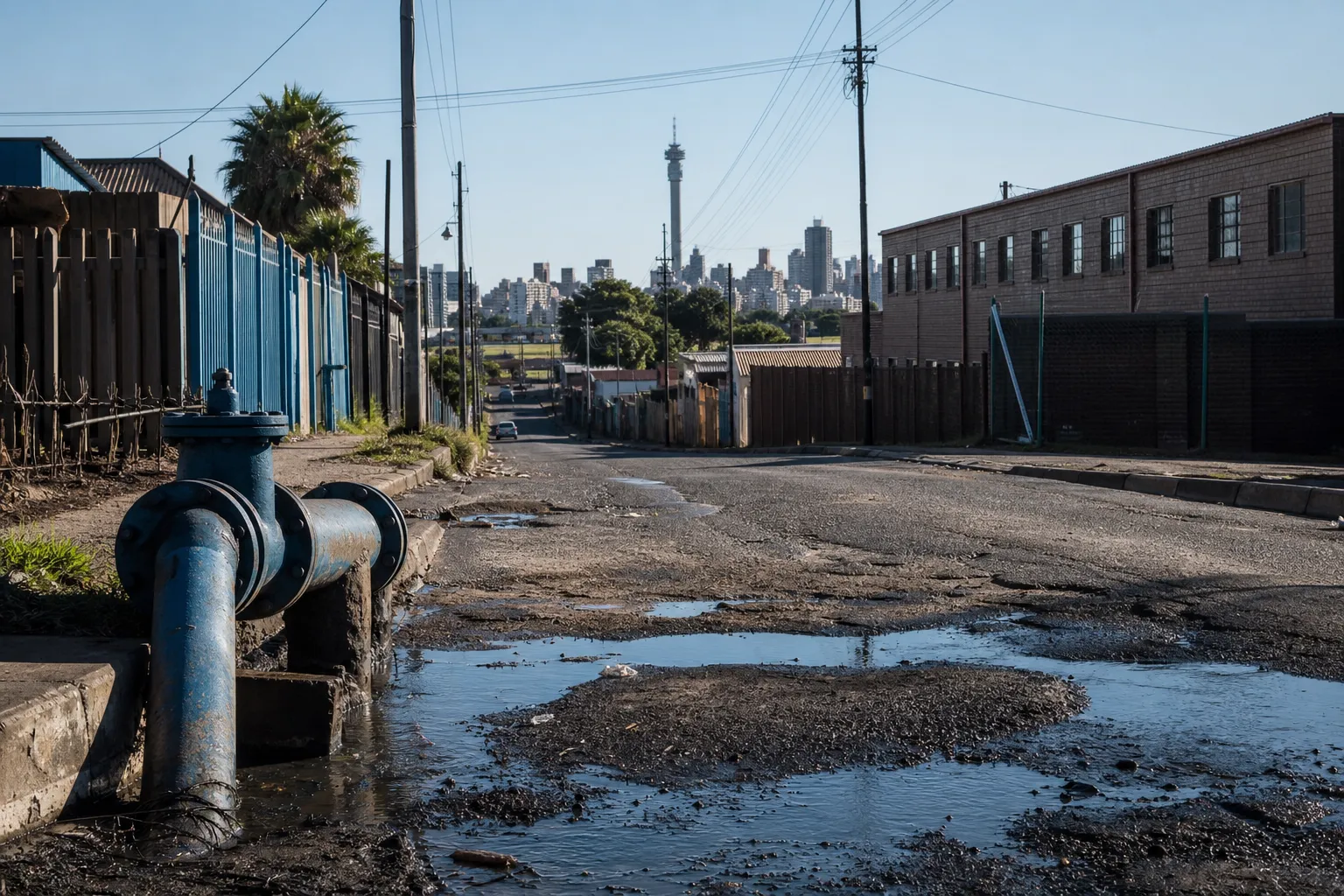
In Johannesburg, South Africa, the amount of unpaid bills owed to the city authorities has risen over a decade from approximately R15 billion to nearly R72 billion. This was stated in a column by Anne Bernstein, executive director of the Centre for Development and Enterprise, published by Daily Maverick.
The author calls the situation a “fiscal fiction”: the city records issued but unpaid bills as revenue, builds its budget on this basis, and spends money it has not actually received. Over the latest three years for which audited financial statements are available, Johannesburg recorded R218 billion in revenue but collected R205 billion in cash receipts. The difference was R13 billion, and excluding R17 billion in borrowing, the gap between cash receipts and revenue reached R30 billion.
Water and electricity debts
According to data cited by Bernstein, in the 2024/25 financial year, every sixth rand billed went unpaid. Water-supply arrears grew by an average of 20% per year, while electricity arrears increased by 17%. The share of the city’s revenue from electricity sales declined from 34% to 28% over the past decade.
The author links this, in particular, to solvent consumers switching to solar power and other alternatives due to deteriorating grid reliability and rising tariffs. In her view, raising tariffs for those who continue to pay could further narrow the base of compliant payers.
More current news is available on the UA.News Telegram channel Telegram.
Expenditure and infrastructure
Personnel costs, according to the column, rose by more than 9% annually over the decade and now account for 40% of the funds actually collected from customers, compared with one-third in the 2014/15 financial year. At the same time, inflation-adjusted investment in infrastructure fell by approximately half, and by 70% per capita.
Johannesburg’s debt to suppliers has more than doubled since 2014/15 and exceeded R28 billion. A significant part of it is owed to Eskom and Rand Water. According to Bernstein, the French Development Agency refused the city a loan this year, citing governance problems.
The author believes that to remedy the situation, the city needs to substantially improve payment collection, curb spending on personnel and contractors, and direct more funds toward infrastructure. She also notes that possible external financial support should be tied to conditions concerning realistic budgeting, a debt-collection plan, targeted infrastructure funding, and independent oversight of major contracts.


