
Cape Town promises to clarify pet permit rules
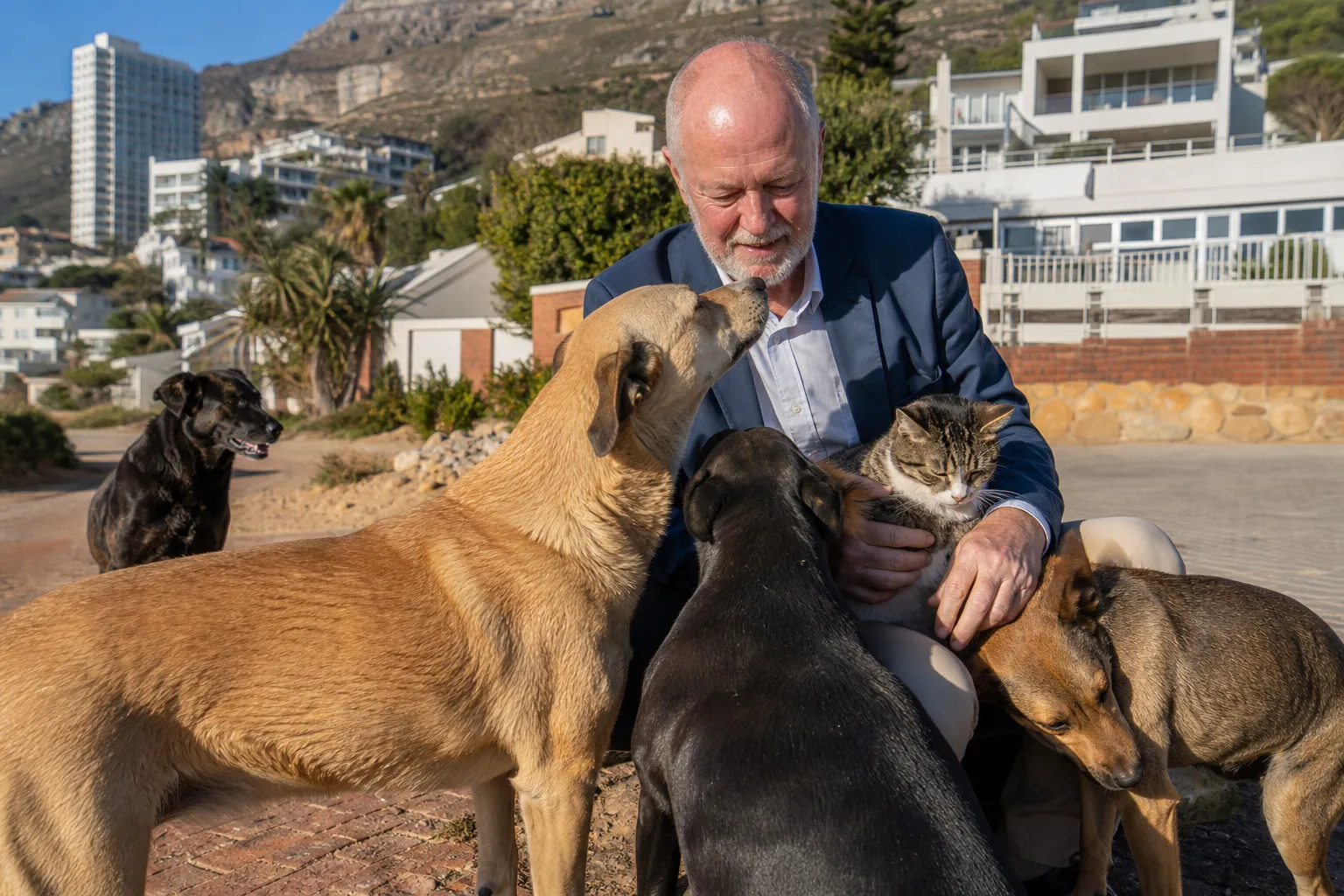
Authorities in Cape Town, South Africa, said they do not plan to introduce a licensing fee for ordinary dog and cat owners, although the wording of a draft new municipal animal-keeping bylaw caused concern. Cape Town Mayoral Committee Member for Safety and Security JP Smith acknowledged that the relevant provisions had been poorly worded.
As Daily Maverick reports, the current version of the draft states that owners of dogs and cats older than six months must apply to the city for a permit for each animal. For dogs, the application must also be accompanied by a prescribed fee and a rabies vaccination certificate.
Smith explained that permit requirements should apply to unsterilised animals intended for breeding, as well as to people keeping more animals than allowed under the basic rules. He asked the relevant committee to add the word “unsterilised” to the text. At the same time, the draft allows permit fees to be set, while it does not guarantee concessions for owners unable to pay them.
Sterilisation and limits
Under the draft, all dogs and cats older than six months must be sterilised unless the owner obtains a permit to keep an unsterilised animal. Watershed Animal Rescue representative Stephne Jackson supported the principle of mandatory sterilisation, but raised the issue of its affordability for low-income families, as private veterinary services may be too expensive for them.
More current news is available on the UA.News Telegram channel Telegram.
The draft sets basic limits: up to two dogs in a residential unit, three in a dwelling house, four in a house on a plot larger than 600 square metres, and six on agricultural land. Up to four cats may be kept in residential premises. For a larger number of animals, an owner may apply; in some cases, this may require an inspection and written support from two immediate neighbours.
Officials’ powers
Critics also drew attention to rules on officials’ access to private property. Normally, entering and searching premises requires the owner’s consent or a magistrate’s warrant. Without either, officials may act if they have grounds to believe that a warrant would have been issued and that a delay would have hindered the inspection. Smith said this concerns urgent cases, including when an animal may be abused.
The draft also bans glue traps and the use of wild animals in circuses, provides protection for cart-pulling horses and service dogs, and regulates the activities of breeders, online sellers and rescue centres. The document was published for public consultation on 28 August 2026, and comments are accepted until 29 September.




