
New South Wales clarifies THC testing parameters for drivers
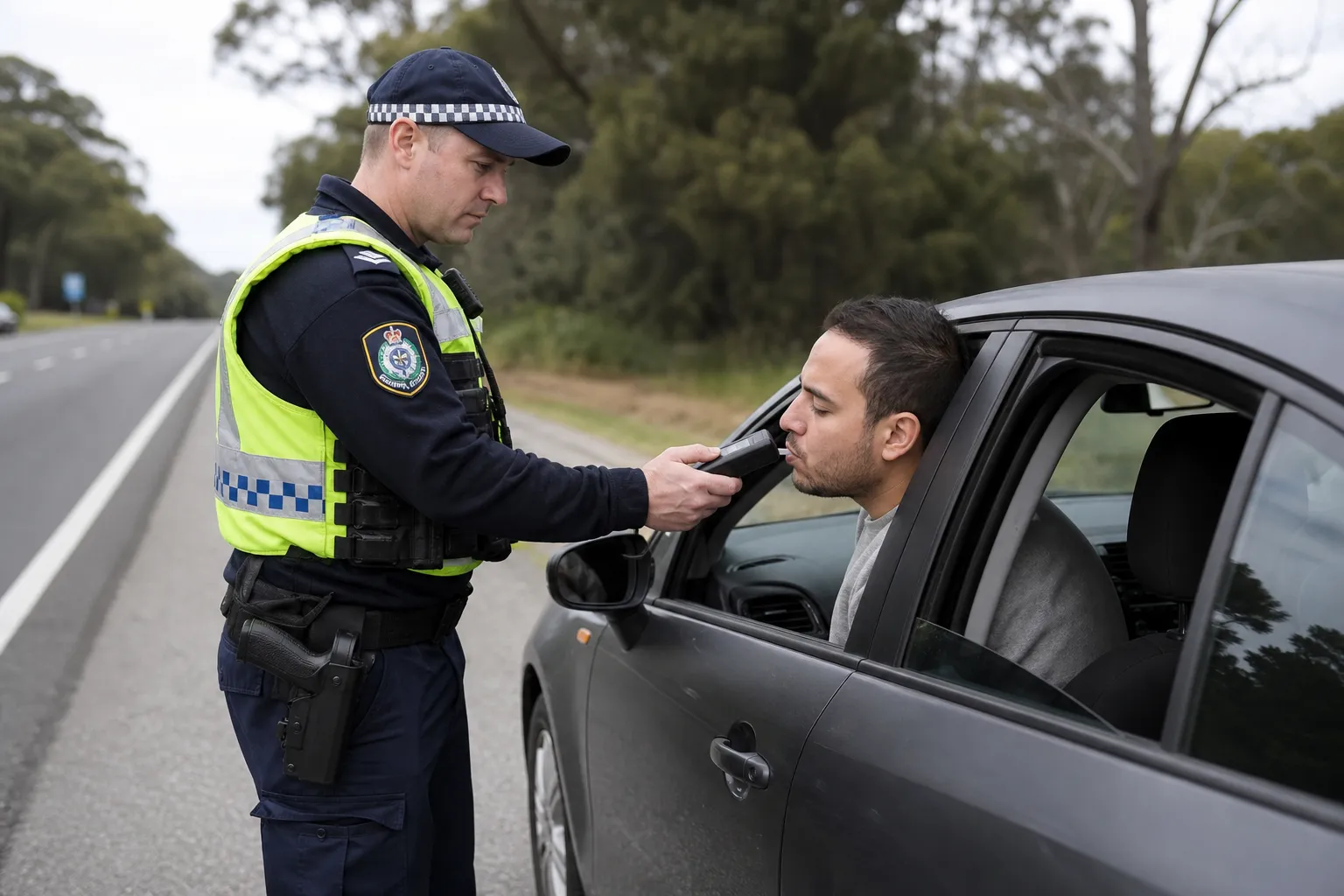
In the Australian state of New South Wales, parliamentary hearings discussed the parameters of roadside testing of drivers for tetrahydrocannabinol (THC). Roads Minister Jenny Aitchison stated that the DrugWipe device is set at a level of 50 nanograms per millilitre.
As reported by ABC News Australia, New South Wales Police had previously not disclosed the detection limit of the DrugWipe 3S model used for roadside checks. State law provides for liability for the presence of prohibited substances in the body, including THC.
Sensitivity of roadside tests
Greens Legislative Council member Cate Faehrmann questioned the figure cited by the minister. She noted that Australian and New Zealand standards for saliva analysis set the cut-off concentration for cannabinoids at 15 nanograms per millilitre. The New Zealand government also openly specifies this THC screening threshold.
Aitchison stressed that she had been told the figure of 50 nanograms per millilitre during conversations with police. At the same time, she said she could not explain who determined this level or how.
More current news is available on the UA.News Telegram channel Telegram.
Proposed rules for patients
The 50 nanograms per millilitre figure is planned to be enshrined in legislation for the first time for registered patients who use medical cannabis. The relevant Labor Party bill has already been approved by the lower house of parliament and is now being considered by the Legislative Council.
The proposed rules provide for two warnings within two years for such drivers. After a third incident, they will face full liability, including a minimum three-month suspension of their driver’s licence.
Transport for NSW Deputy Secretary Sally Webb explained that after the first positive result, the driver is tested again using a device from a different batch. A second positive result means a 24-hour ban on driving, which also applies to patients with a prescription. After that, police take a saliva sample and send it to a laboratory.
According to Webb, the current laboratory threshold for laying a charge is 10 nanograms per millilitre. For patients who have already used two warnings, the threshold for laying a charge is proposed to be set at 50 nanograms per millilitre. Webb added that DrugWipe is guaranteed to produce a positive result at a concentration of 50 nanograms per millilitre, but may also detect lower levels, including 45 or 40 nanograms per millilitre.




