
In Singapore, nasi lemak sells for S$2 despite S$10,000 rent — Channel NewsAsia
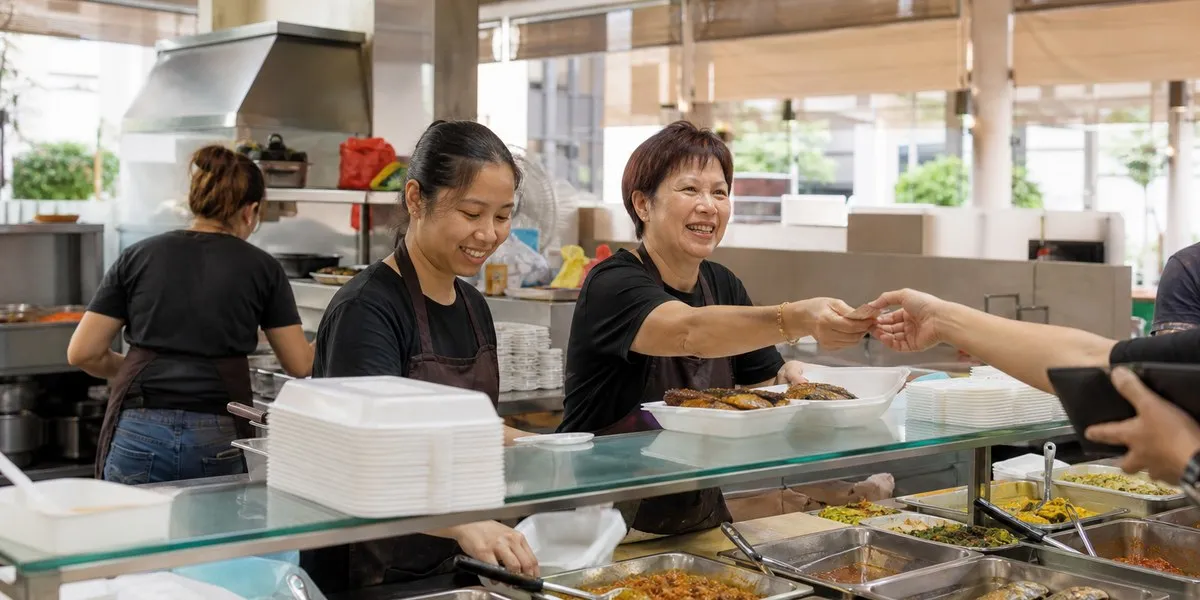
The family-run Indonesian Selera Corner in Singapore’s Yishun district has been selling a serving of nasi lemak for S$2 for more than ten years, even though the monthly rent for its stall is nearly S$10,000. Together with utility bills, premises costs amount to about S$13,000 a month, excluding food purchases and staff expenses, Channel NewsAsia reports.
The establishment operates in a private coffee shop, where rental rates are set on commercial terms. The owners have already raised the prices of a number of other dishes by 50 cents because of rising food and utility costs, but decided not to change the price of nasi lemak. About 200 such portions are sold here every day.
Cost price and break-even point
Twenty-five-year-old Adam Danish, a representative of the second generation of owners, joined the family business this year and began keeping more detailed financial records. According to his calculations, ingredients for a S$2 serving cost S$1.30: rice costs 30 cents, fish 40 cents, an egg 10 cents, sambal 20 cents, and other ingredients, including cucumber and peanuts, another 30 cents.
More current news is available on the UA.News Telegram channel Telegram.
The outlet’s main income comes from another part of the menu, nasi padang, where the average order totals S$7. To cover operating expenses before paying salaries to family members, the establishment needs to sell 159 food portions per day with an average bill of S$7.40.
Cost cuts and online sales
The family began buying fish directly at Jurong Fishery Port and also plans to switch from gas stoves to electric ones. They currently spend between S$600 and S$700 on gas each week; according to Adam’s estimate, electric equipment could halve these costs.
Adam and his sister Nurangelina Hassan, who calls herself Angel, also sell through TikTok Live, offering bundles and promotional deals. In about two months, gross revenue from the broadcasts reached S$12,000, although some streams brought no orders. To process orders via WhatsApp, they use an artificial intelligence chatbot for S$50 a month instead of hiring a separate employee, who, according to Adam’s estimate, would cost about S$900 per month.




