
Production of kosher Sunkist Fruit Gems candies discontinued in the US — Jerusalem Post
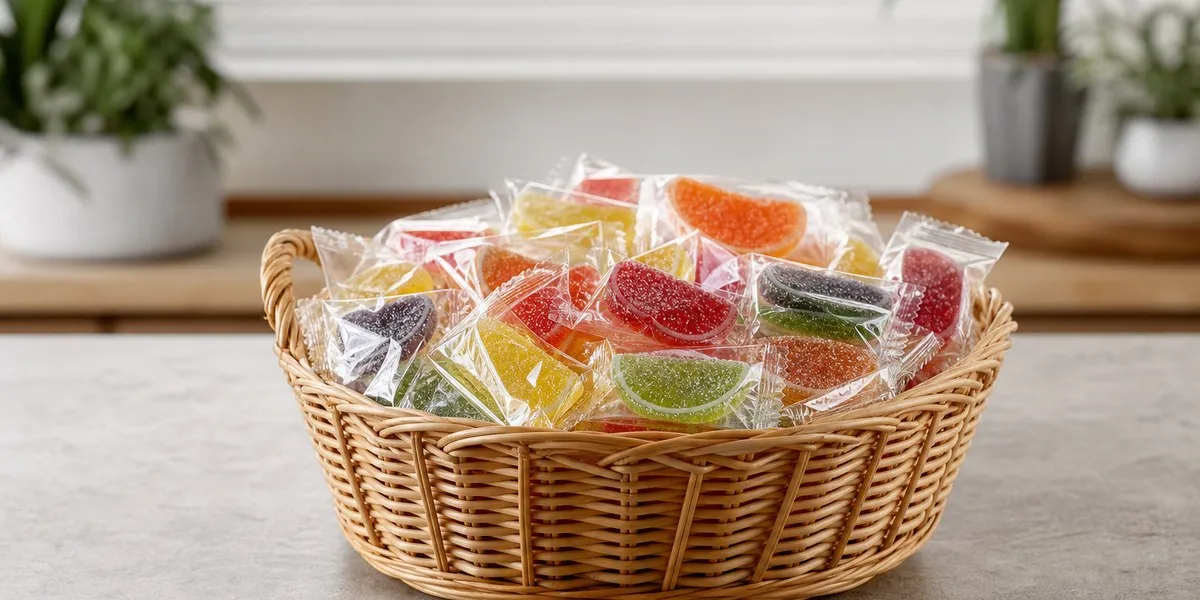
In the United States, Jelly Belly has discontinued production of kosher Sunkist Fruit Gems jelly candies, which had been used for years in American synagogues during bar and bat mitzvah celebrations. As the Jerusalem Post reports, production was stopped in May. Ferrara, which acquired Jelly Belly in 2023 and is owned by Italy’s Ferrero, explained the decision by insufficient demand for the product in the country.
Candies for a religious tradition
Sunkist Fruit Gems are soft, round fruit jelly candies in individual wrappers. In many communities, they were handed out to those present, and participants in bar and bat mitzvah ceremonies were showered with them after the Torah reading.
Rabbis from the San Francisco Bay Area who spoke with the article’s author said the news came as a surprise to them. Some have already ordered large batches of candies that remain on sale. Rabbi Chai Levy of Congregation Netivot Shalom in Berkeley said that after receiving the information, she ordered 50 pounds of Fruit Gems.
More current news is available on the UA.News Telegram channel Telegram.
Rabbi Gershon Albert of Beth Jacob Congregation in Oakland noted that the community had previously bought these candies directly from the factory in Fairfield. According to him, it is important for this tradition that the sweets are soft: they must symbolize the sweetness of the Torah without causing children pain.
Searching for a replacement
Participants in social media discussions and the author’s sources suggested alternatives to Sunkist Fruit Gems. The options named included Mini Laffy Taffy, Israeli Yogueta and Elite Toffee Brachot, Greek Gelo, Oh Nuts! jelly candies, Pizazz Fruit Slices, Jelly Belly mini packs, and Liebers Fruit Jewels. Nassau Candy also announced candies described in the article as a copy of Fruit Gems.
The custom of showering bar and bat mitzvah participants with sweets is linked to an older tradition of throwing sweets, nuts, fruit, or grain at newlyweds during an aufruf, a pre-wedding celebration in a synagogue. The article notes that this practice likely originates from a Talmudic custom of wishing newlyweds prosperity and fertility.




