
H5N1 detected in Australian sea lions in Australia — Mongabay
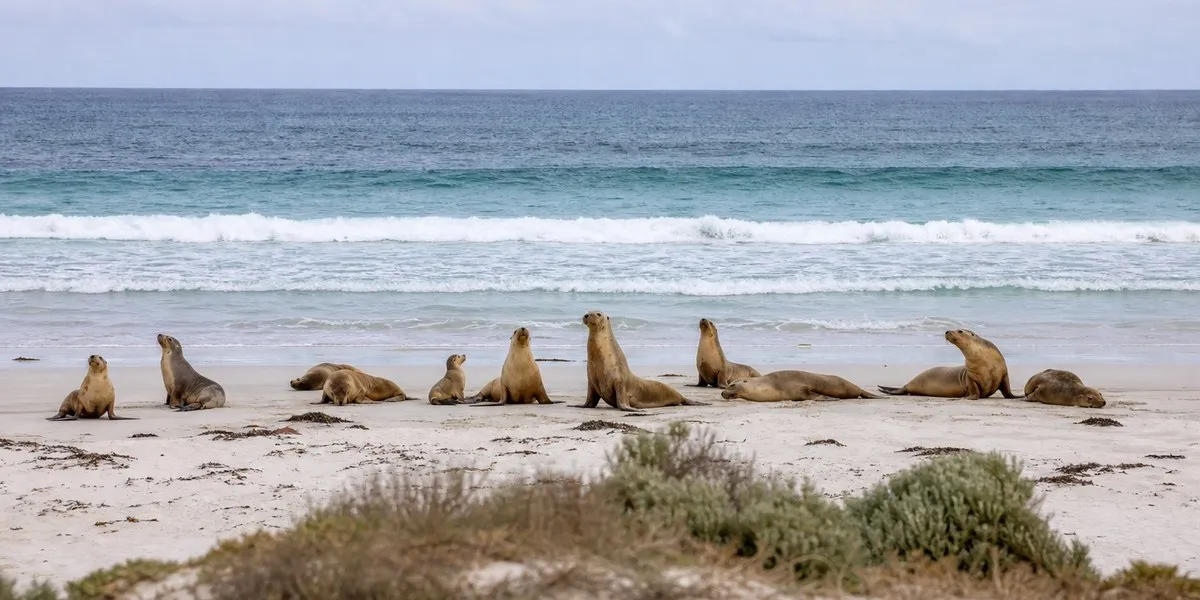
In Australia, the highly pathogenic H5N1 avian influenza strain has spread among wild birds and crossed over to mammals, including critically endangered Australian sea lions. The virus was detected on the country's mainland in August, and as of October 6, it had caused the deaths of thousands of birds in approximately 690 recorded incidents, Mongabay reports. One such incident may involve the confirmed infection or death of one or many animals.
Infection in mammals
In late August, H5N1 was confirmed in a long-nosed fur seal, the first recorded case of mammal infection on mainland Australia. A common dolphin found dead on the Fleurieu Peninsula in South Australia also tested positive. The virus was detected in two red foxes in the two urban areas of Adelaide and Torquay.
According to Boston University's BEACON program, nearly simultaneous cases in foxes and a dolphin in South Australia showed that the virus had crossed between birds and mammals. In mid-September, an Australian sea lion died from H5N1 at Seal Bay on Kangaroo Island, home to the species' third-largest colony. On September 21, positive test results were obtained from three dead adult sea lions and a pup on North Page and South Page islands near South Australia. Between 10,000 and 12,000 Australian sea lions remain worldwide.
More current news is available on the UA.News Telegram channel Telegram.
Monitoring and vaccination
Scientists believe the virus likely spread to Australia from the Southern Ocean with seabirds, including giant petrels and skuas. According to Cornell University researcher Amandine Gamble, genetic data indicate that H5N1 did not arrive with migratory waterbirds that travel annually between Asia and Australia.
Among the response measures, authorities and specialists are using disease monitoring and the removal of dead animal carcasses. In August, the government of New South Wales began vaccination trials for vulnerable captive birds, and on September 18 it began vaccinating little penguins in the wild. According to the UN Food and Agriculture Organization, at the time of publication, H5N1 had been detected in about 613 bird species and 112 mammal species worldwide.
Losses in South America
Previously, H5N1 caused significant losses among pinniped populations in South America. In Argentina, more than 95% of southern elephant seal pups born that winter died — about 17,400 out of approximately 18,000. A genetic study published in Nature Communications in November 2024 indicated direct H5N1 transmission between elephant seals — the first documented case of transmission of the virus between mammals.




