
Iranian residents cut spending amid war and US blockade — TimesLIVE
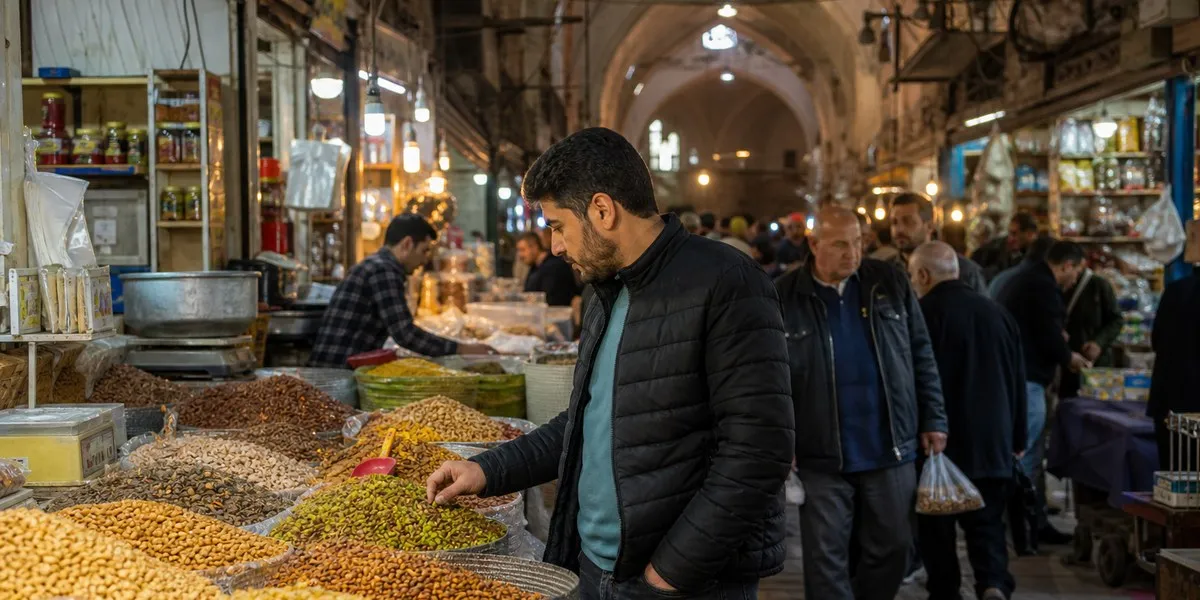
In Iran, families are increasingly giving up basic purchases, medicines and customary expenses as the war and the US blockade, which limits the state's oil revenues, intensify economic pressure. This is reported by TimesLIVE, citing Reuters.
Tehran restaurant owner Behnam Riazi said he is forced to operate with minimal profit: he cannot raise prices because visitors cannot afford to pay more. According to him, customers mostly buy only essential items.
Medicines, rent and school purchases
Ghediyeh, a housewife from northern Iran who lives on her civil servant husband's pension, said she barely has enough money for medicines and care supplies for her mother with Alzheimer's disease. She was also unable to buy her grandson a school bag, the price of which, she said, was five to six times higher than she expected.
A teacher identified by the initials AJ said he cannot always buy medicines for his mother. After schools switched to remote learning because of the war, he left Tehran and moved in with family in a village in the north of the country, but fears he will not be able to afford returning to the capital if in-person classes resume.
More current news is available on the UA.News Telegram channel Telegram.
Psychotherapist Nazanin from Sanandaj said she gave up smoking because cigarettes had become more expensive. An architect whom Reuters identified only by the initials AA said that even wealthier Iranians are forced to cut spending and have become poorer compared with their previous standard of living.
Job cuts and the black market
According to Reuters, the war is causing significant job losses in the private sector. A Tehran resident with the initials MH said she lost her job in the procurement department of a local company, although her annual contract had been renewed shortly beforehand. Her family now spends money on food first and foremost.
Bijan, a former engineer who now earns money as a tutor, moved with his wife from an apartment in Tehran to an area on the outskirts of the capital. The couple spent their savings and plans to move to another city, where they hope to live more cheaply.
Reuters sources also reported rising prices for goods and services on the black market. Tehran shop owner Ramin Yousefnia noted that customers have reduced the volume of their purchases: goods of which they previously bought five or ten units are now bought in quantities of two.




