
Australian farmers turn substandard lychees into vodka and liqueur
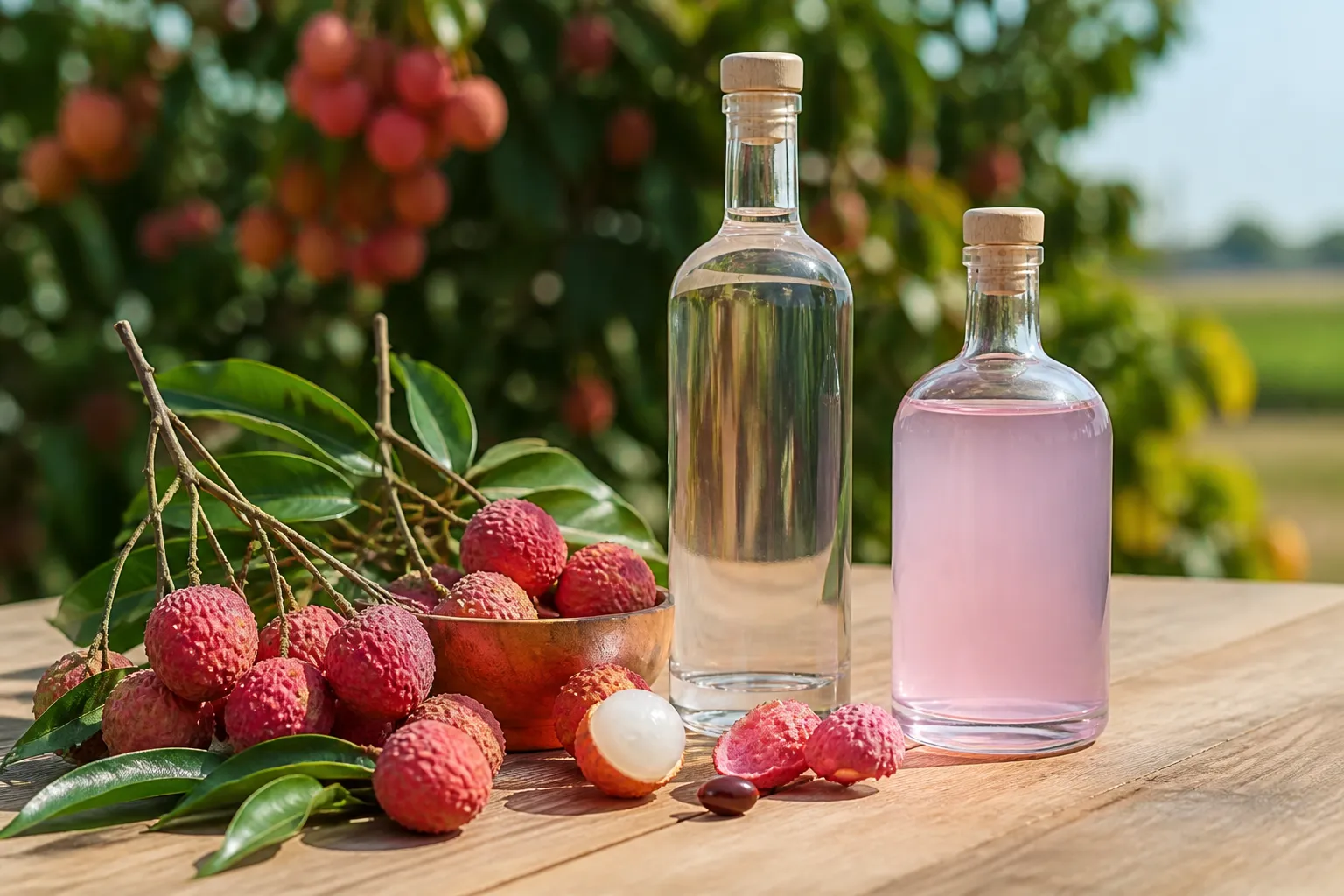
Farmers Krystal and Paul Caton from Central Queensland, Australia, have begun using third-grade lychees to produce vodka and liqueur. The owners of the Lush Lychees orchard in South Yaamba are collaborating with the Reef Distillers distillery in Yeppoon, ABC News Australia reports.
The couple, who are first-generation farmers, grow lychees in an orchard with 9,000 trees about a 30-minute drive from Rockhampton. The harvest is collected there in December and January and sorted by quality. The best fruit is supplied to domestic and international markets.
Fruit with cosmetic defects
Third-grade lychees have external cosmetic damage, but their flesh is suitable for consumption. Previously, such fruit was usually discarded, fed to livestock, or taken home by workers. Krystal Caton noted that the costs of growing and harvesting these fruits had already been incurred, so the farm decided to find another use for them.
More current news is available on the UA.News Telegram channel Telegram.
For the first batch of alcoholic products, the Catons supplied the distillery with 80 kilograms of frozen leftover fruit from the previous season. According to Reef Distillers co-owner Laurette Rumble, each bottle contains 14 lychees. Creating the new product took about three to four months.
Added value for farms
Krystal Caton studied opportunities for post-harvest use of lychees as part of the 2025 Nuffield Scholarship program. The scholarship enabled her to travel abroad, study international lychee production, and attend industry conferences. She plans to present her findings on creating added value for family farms later this year.
John Rolfe, a professor of regional economic development at Central Queensland University, said that processing part of the harvest into value-added products could diversify producers' income and reduce the risk of price declines during the peak harvest period. Among the challenges of commercial alcohol production in Australia, he cited licensing, high temperatures that complicate fermentation, and the need for substantial fruit volumes to ensure profitability.


