
Falling demand for honey puts pressure on Estonian beekeepers
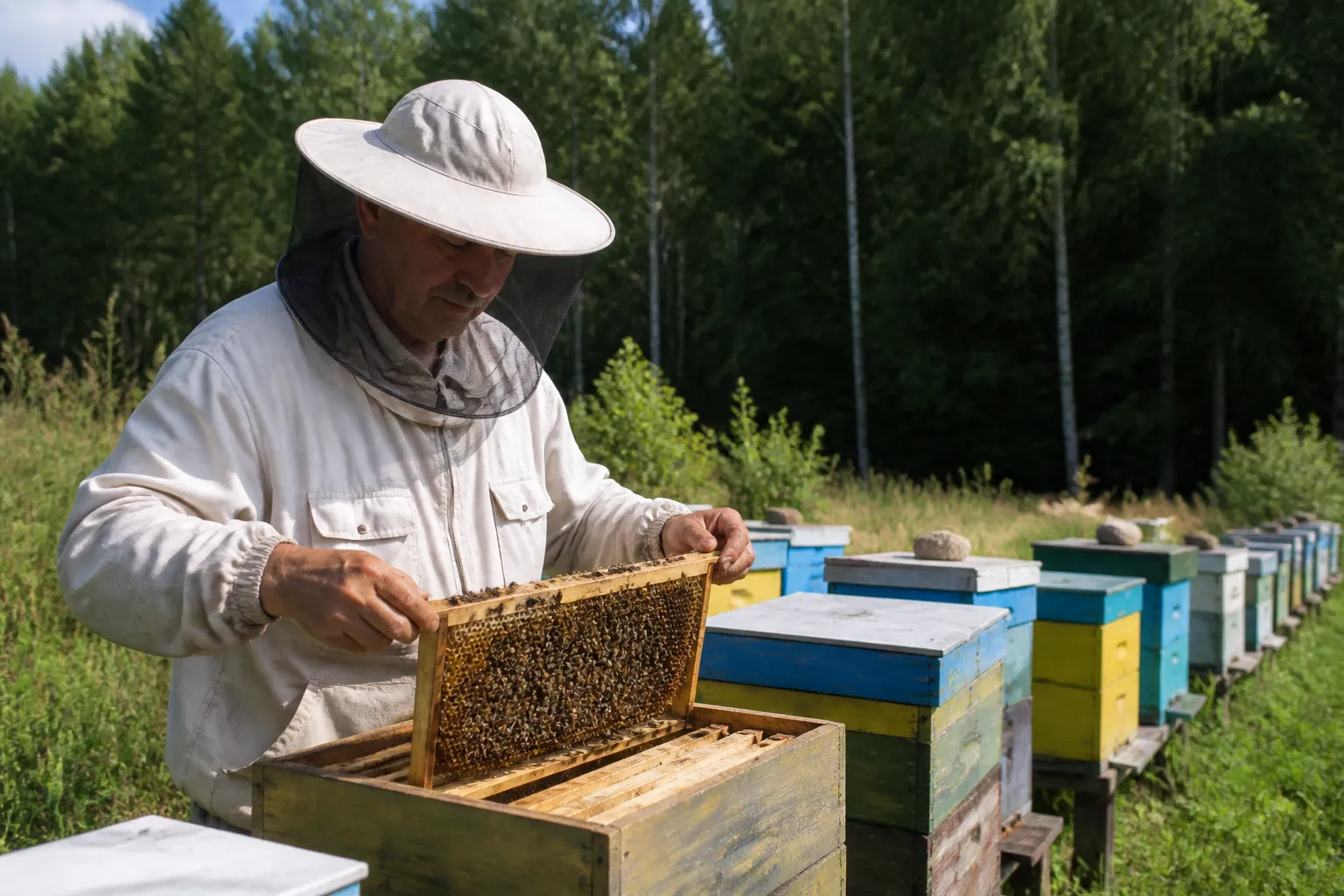
Estonian beekeepers are under pressure due to changing consumer habits and the spread of cheap honey substitutes. As ERR News reports, beekeeper Mehis Mägit said that the number of honey consumers is not growing, while some people are openly giving up the product.
Cheap syrups affect the market
According to Mägit, European Union checks found signs of possible adulteration in 46% of tested imported honey samples. This involves mixing natural honey with cheaper inverted sugar syrups, which may resemble honey but are not produced by bees.
The beekeeper noted that a kilogram of inverted syrup costs around 80 cents at a packaging facility. In his view, cheap syrup has also lowered the purchase price of honey to a level that is unsustainable for producers. As a result, some Estonian beekeepers are leaving the industry.
At the same time, Mägit believes that Estonian buyers are generally protected from adulterated honey. According to him, this is facilitated by industry oversight and retail chains purchasing directly from producers. He added that beekeepers who put their name on a jar would not risk their reputation through fraud.
More current news is available on the UA.News Telegram channel Telegram.
Labelling and changing attitudes toward honey
Since June 14, a rule has been in force requiring labels to state, in percentages, the origin of the different types of honey in a product.
Beekeepers were additionally concerned by the Estonian National Institute for Health Development classifying honey alongside sweets and other products with low nutritional value. The dietary guidelines explain this by honey's high glucose and fructose content, as well as its relatively low levels of vitamins and minerals.
Mägit said professional beekeepers are increasingly taking on additional work, which eventually becomes their main occupation. He also criticized the work of the EU honey committee, which, according to him, meets only twice a year and includes major honey packers.




