
UK’s Allye Energy begins selling 400 kW charger — InsideEVs
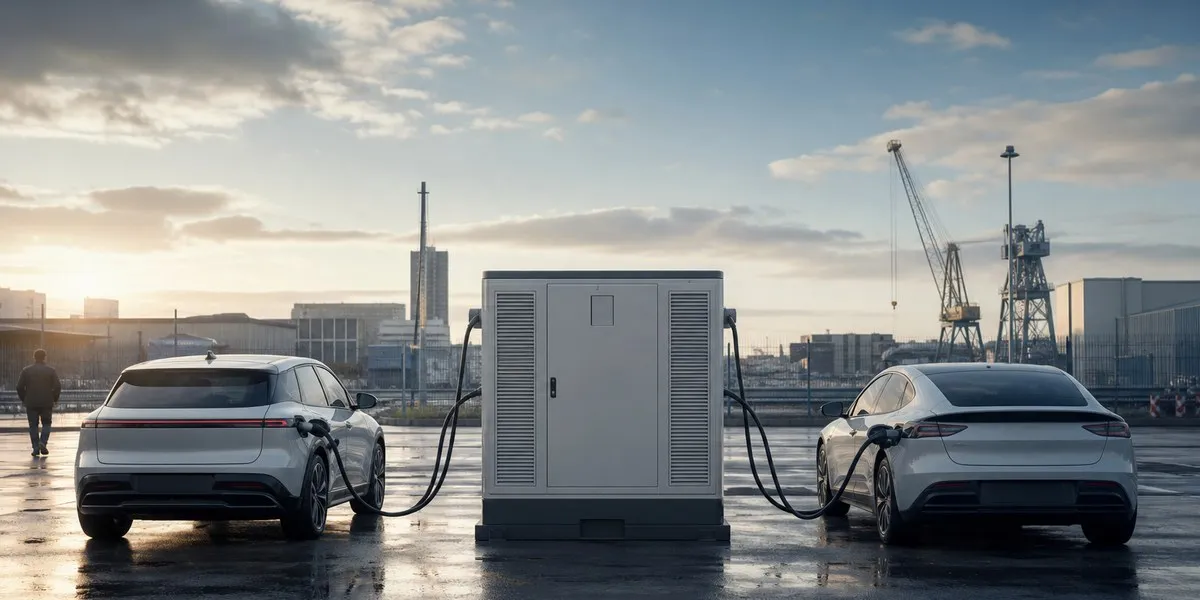
British company Allye Energy has begun selling the MEV mobile fast charger for electric vehicles, featuring an energy storage system made from repurposed EV batteries. The unit can deliver up to 400 kW of power and charge two vehicles simultaneously, InsideEVs reports.
Energy storage instead of grid upgrades
The device gradually charges its built-in batteries from the power grid when its ports are not in use. Once an electric vehicle is connected, the unit transfers the stored energy for charging. At a minimum, the MEV requires a 16-amp three-phase connection, while connections of up to 125 A are supported.
The system is available in versions with energy storage capacities of 155 or 232 kWh. Battery packs from different manufacturers and of different ages are used for them. The charger is compatible with EVs using 400- and 800-volt architectures and can also supply electricity to several additional charging modules.
More current news is available on the UA.News Telegram channel Telegram.
Use in depots
Allye Energy positions the unit primarily for depots, where an industrial electrical connection is usually already available. The device can be installed on site and connected through an industrial socket or permanently connected to the grid. If necessary, it can be moved to another location.
The company installed one such charger at the depot of J&M Murdoch in Glasgow. Upgrading the electrical grid for this site was estimated at £300,000. Instead, the company installed a charger with a battery buffer, which became operational within a day and now supplies about 200 kWh of energy daily.
Protection of cables and batteries
According to Allye Energy, 95% of the unit’s components are supplied from the United Kingdom, including batteries originating from vehicles registered in the country. To protect cables, the system includes a cut-detection system, special marking and quick-release terminals for rapid replacement. Each battery pack has a pyrotechnic fuse, while fire barriers and a gas-emission detection system are installed between the packs.




