
133 Lamu residents file lawsuit over land for Dangote refinery — Nation Kenya
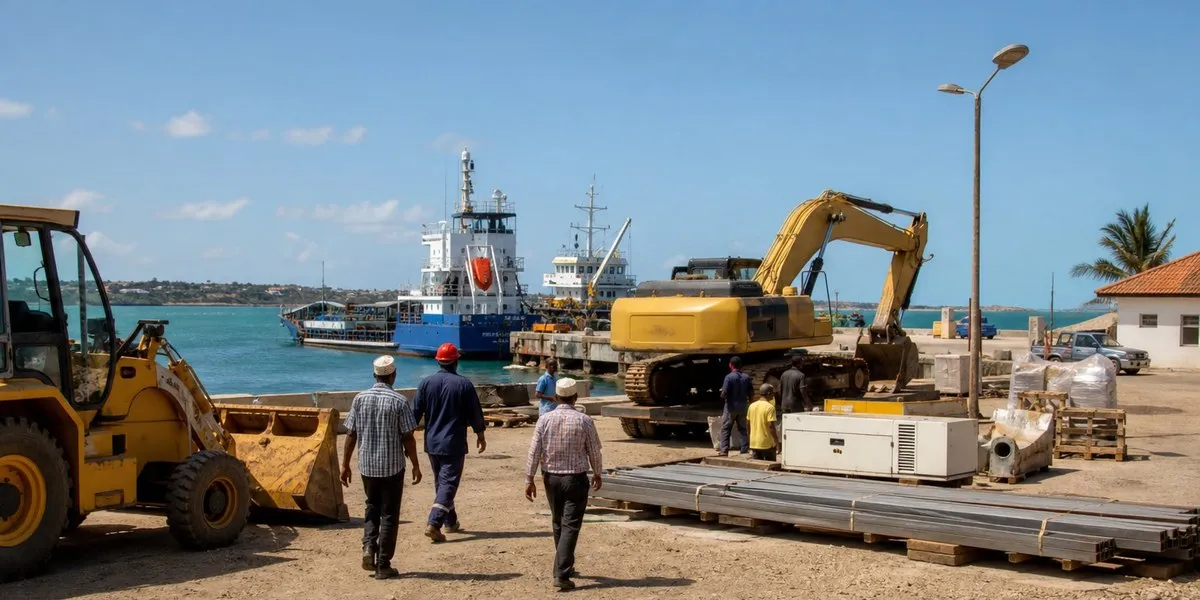
In Kenya, 133 residents of Chandawai in Lamu County have filed a lawsuit over a plot of land planned for use in the Dangote oil refinery project. They are suing the government, the Lapsset Corridor Development Authority and Dangote Industries, claiming that their land rights were not taken into account during project preparations, Nation Kenya reports.
Lamu land lawsuit
The dispute concerns Land Reference Number 13061 in the Hindi-Manda Magogoni area. The plaintiffs say their families have lived on, cultivated and developed parts of this land for generations: they built homes, grew crops, kept livestock, established mosques and shrines, and buried relatives there.
The residents do not have official title documents, but insist that their customary and ancestral use of the land should receive legal protection. They also consider the territory to be public land under the care of the Lamu County authorities.
In court filings, the claimants state that on August 7, 2024, government officials, military personnel, local administrators and other authorities entered the plot with bulldozers and heavy equipment. According to them, crops, trees and other property were destroyed without prior notice, consultation or compensation.
More current news is available on the UA.News Telegram channel Telegram.
Scale of the industrial project
At a groundbreaking ceremony on September 30, 2026, Kenyan President William Ruto said that 9,000 acres of land had been allocated for the project and that another 3,000 acres were being sought. The additional area is needed because of plans to create a special economic zone and a new urban center.
The proposed Dangote refinery in Lamu is expected to process up to 700,000 barrels of crude oil per day. This is significantly more than the refinery with a capacity of 120,000 barrels per day envisaged in the original Lapsset transport corridor plan under the Kenya Vision 2030 program.
Positions of the parties
The plaintiffs claim that the authorities did not issue proper notices of compulsory acquisition, did not conduct surveys and property valuations, did not identify all residents affected by the project, and did not prepare a resettlement plan. They ask the court to halt further work on the plots they occupy until legally required procedures are completed and compensation is determined.
The Kenyan government, for its part, says the land was previously acquired for the Kenya Ports Authority and that families received compensation during an earlier stage of port development. The court must determine whether that acquisition covered the disputed plots and whether the interests of the current claimants were recognized.




