
Analysts Point to Energy Risks for the U.S. AI Market — OilPrice
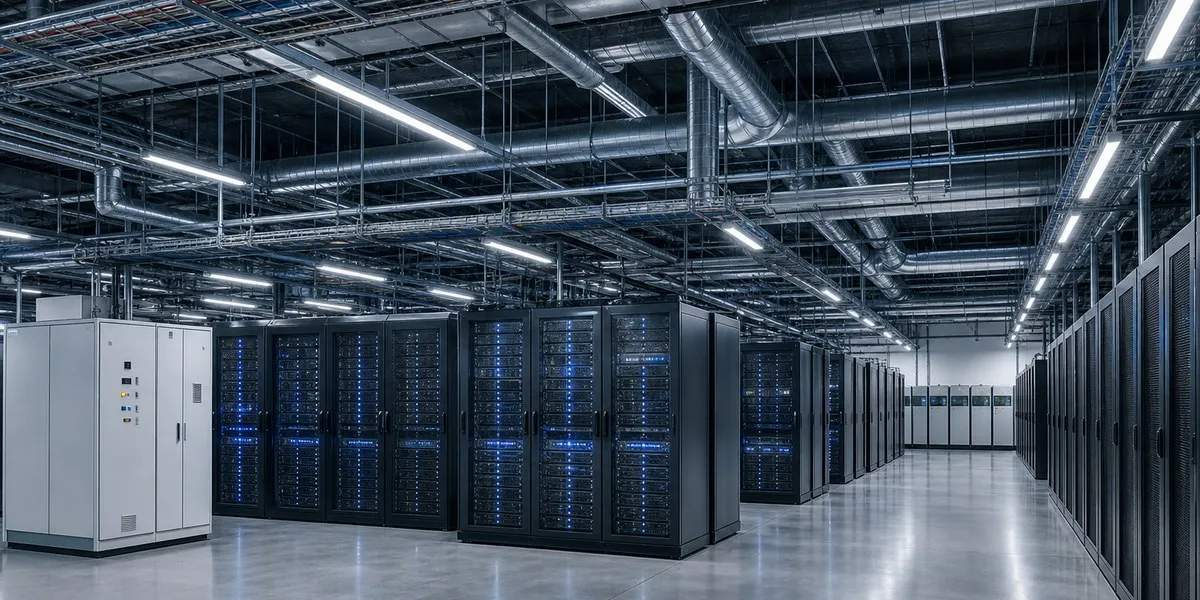
High electricity costs and constraints in the U.S. power system could increase pressure on artificial intelligence sector companies, while Chinese developers have lower costs of operating data centers. This is stated in an OilPrice article citing assessments by risk and economics specialists.
Mehrdad Emadi, head of risk analysis and energy derivatives markets at consulting firm Betamatrix, told the publication that major Chinese AI players allegedly achieve about 90% of the performance of their U.S. competitors at approximately 10% of their costs. According to him, electricity for data centers may account for up to half of U.S. AI companies’ expenses, and this share could increase further.
Difference in Power Grids
Steve Keen, an honorary professor at University College London, links China’s advantage to its more centralized electricity transmission system. The article notes that China’s grid has ultra-high-voltage direct-current transmission lines ranging from 800 to 1,100 kilovolts. According to the cited data, such infrastructure can transmit up to 12 gigawatts of power through a single corridor over a distance of more than 3,000 kilometers.
As OilPrice notes, the U.S. power grid is divided among three isolated systems: the Eastern, Western, and Texas ERCOT interconnections. The publication says this structure complicates and increases the cost of transmitting electricity between regions and may limit the pace of AI cluster expansion.
More current news is available on the UA.News Telegram channel Telegram.
Data Center Demand and Financial Risks
According to a Goldman Sachs Research estimate cited in the publication, demand for data center capacity in the United States could rise from about 42 GW to 118–134 GW in 2030. BloombergNEF modeling mentioned in the article projects growth to about 194 GW by 2035.
The article also notes that conventional nuclear projects in the United States may take around 15 years to complete, while small modular reactors have target construction timelines of up to seven years. Emadi also links the difficulty of rapidly increasing generation capacity to a shortage of gas turbines: in his estimate, waiting times for such equipment could reach seven years and continue to grow.
Emadi also expressed the view that significant involvement of non-bank private lending in AI projects could increase financial risks for the industry. His estimate of a possible 35–50% decline in the sector’s market capitalization and substantial depreciation of individual companies is an analyst’s forecast, not an established fact.




